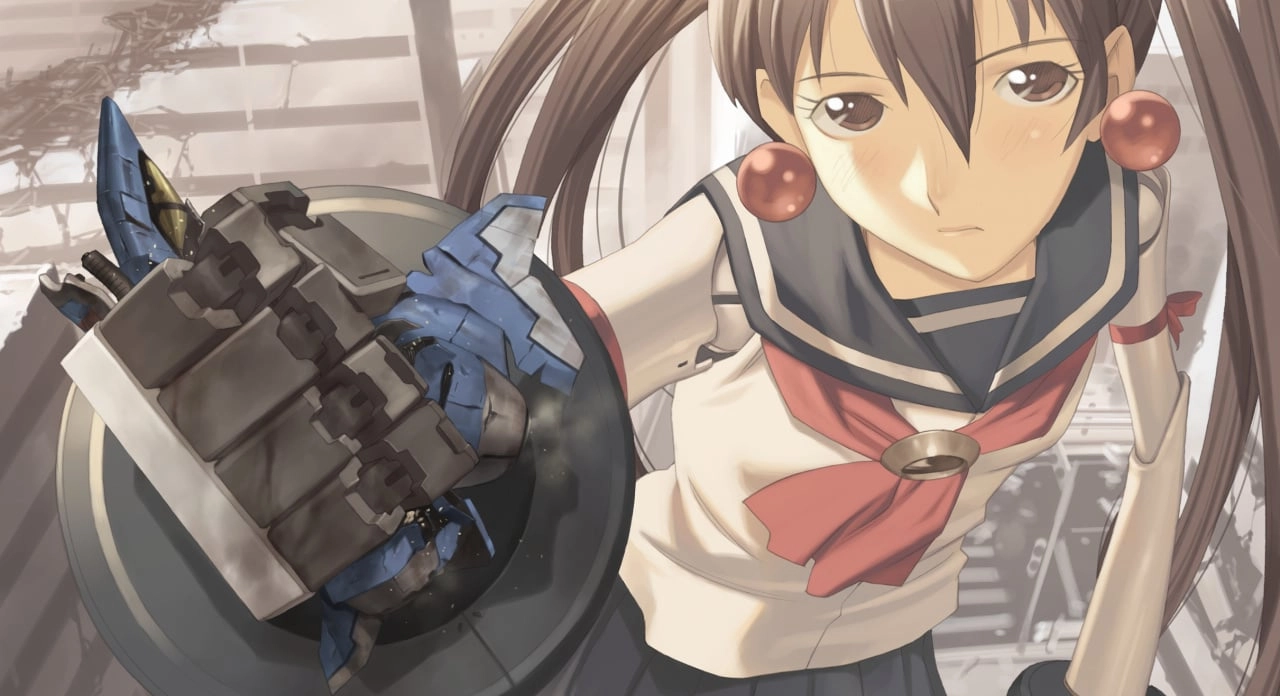
DonPachi, developed by CAVE, a company formed by ex-Toaplan employees in 1995, created an indelible impact on the arcade scene in Japan. At a time when the genre of shoot-em-ups (shmups) seemed to fall out of favor, CAVE breathed new life into it, fashioning a niche into a trendsetting phenomenon. The iconic Tsuneki Ikeda, or "IKD," a former Toaplan coder, played a fundamental role in this transformation. His novel approach increased the number of bullets significantly while slowing them down—essentially giving birth to the 'bullet hell' sub-genre with Batsugun, Toaplan's last creation.
The first game in the series, DonPachi, debuted in 1995 and immediately turned heads. With over-the-top expletive-laced boss introductions and exhilarating gameplay, it set itself apart with layers of novel features like targeting off-screen enemies and using your ship's laser as both an offensive and defensive tool. DonPachi also established a hitbox system that gave players an exhilarating sense of close calls and survival.
The success of DonPachi led to several sequels, each refining and evolving the formula. In 1997, DoDonPachi was released, bolstering the series reputation with even more assertive action and tighter gameplay mechanics. It featured a more nuanced score-chaining system, impressive visual feedback, and introduced one of the series' toughest bosses, Hibachi.
The outlandish success of DoDonPachi II: Bee Storm, albeit not developed by CAVE but by Taiwan's IGS in 2001, inspired CAVE to continue in the market and shift to using IGS's PGM hardware for future titles. It stood testament to the enduring appeal of the DonPachi series.
Peaking with DoDonPachi DaiOuJou in 2002, CAVE crafted what many consider their magnum opus—a relentless, artful masterpiece of bullet hell gaming. Its flawless design ethos, innovative score-chaining, and balancing act between empowering and brutalizing the player set it apart as a pinnacle of the genre.
However, CAVE was far from finished. They continued to innovate, and in 2008, DoDonPachi DaiFukkatsu was released. This entry divided fans due to the introduction of the 'auto bomb' mechanic and multiple ship styles that significantly changed gameplay. Yet, it was lush with visual grandeur, and its intricate scoring system gained recognition over time.
Finally, the last hurrah, DoDonPachi SaiDaiOuJou, arrived in 2012, marking the conclusion of the series and CAVE's era of arcade dominance. Although it returned to a more straightforward gameplay approach, it featured intricately crafted stages, intense bullet patterns, and challenges, including the legendary Inbachi, the ultimate boss battle that only the elite could hope to conquer.
The influence of CAVE's DonPachi series transcends its own lifespan. The games became highly sought after, with arcade PCB’s fetching hefty sums, and the passion for the series led to demands for ports to continents far from their origin, expanding their fame. While the west may have largely missed the Shmup revolution in real-time, influenced perhaps by a focus on games like Ikaruga, the legacy of DonPachi cannot be overstated.
In the end, CAVE's distinct philosophy of blending survival and scoring in intricate, often convoluted but compelling ways, is its everlasting contribution. Whether for the immediate rush of survival or the deep strategic dive into scoring machinations, the DonPachi series remains a masterclass in design, delivering an unmatched adrenaline-fueled journey through gaming history. The series not only revolutionized a genre but left a precedent of excellence and innovation for all future game developers to aspire to.

You must be logged in to post a comment!
