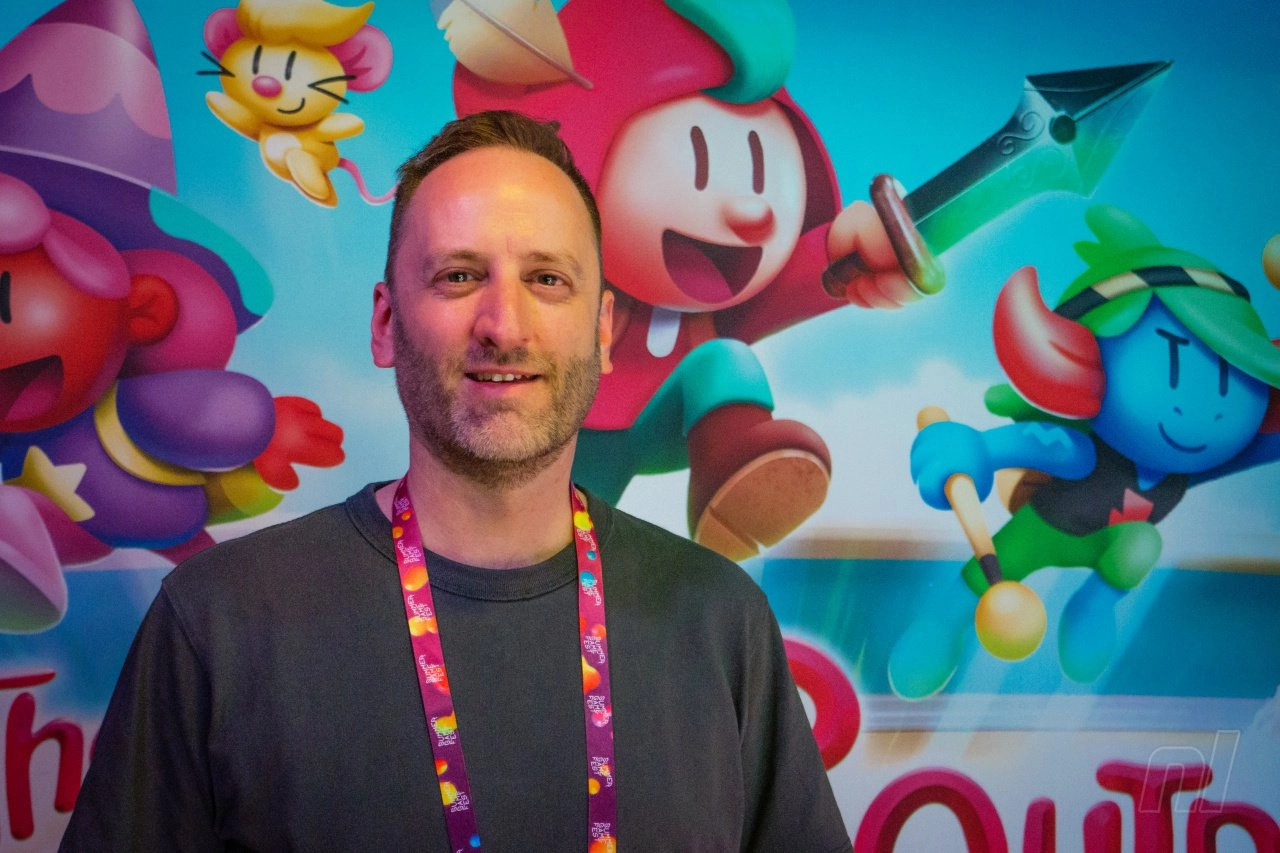
In a bold move away from the established world of Pokémon, James Turner, co-director and former lead art director at Game Freak, embarked on a captivating journey in the gaming industry with the creation of his own game studio, All Possible Futures. Alongside Jonathan Biddle, his longtime friend and collaborator, Turner initiated the development of "The Plucky Squire," a game that promises to chart new territories in creative storytelling and gameplay.
The concept of "The Plucky Squire" was birthed from Turner’s desire to venture beyond his illustrious career with Pokémon. Known for his significant contributions to the Pokémon series, Turner has always harbored a passion for exploring new creative avenues. His previous works, including "HarmoKnight" and "Tembo the Badass Elephant," demonstrated his ability to craft unique gaming experiences, though they never reached the iconic status of Pokémon.
"The Plucky Squire" stands out distinctly in Turner’s repertoire. He envisioned a game that essentially revolved around a children’s book titled after the game itself. The protagonist, Jot, was a character Turner created in a short comic posted on his Twitter feed. Finding potential in Jot, Turner transitioned the character into the gaming world, where Jot became the heroic figure of this new venture.
A significant aspect of the game's development involved incorporating elements that would surprise both young and older players alike. Turner and Biddle conceptualized game mechanics that allowed for transitions between 2D and 3D gameplay as Jot moved across the pages of the storybook. This framework supported an invalabe thematic element — the element of surprise on every new page, akin to a storybook adventure.
The gameplay design of "The Plucky Squire" was deeply influenced by Turner’s children, especially his son, who affectionately referred to the game as "The Plucky Square." Turner often sought his children's opinions on various character designs and game elements, ensuring that the game resonated with its core audience—children. His children's feedback was instrumental in fine-tuning the aesthetics and playfulness of the in-game world.
One particularly captivating part of the game’s development was the inclusion of community and friendship contributions. The stickers and designs found throughout the levels of the game, for example, were created by Turner’s circle of friends, including notable designers like the creator of Geralt from "The Witcher." This not only added a personal touch to the game but also introduced elements of modern pop culture into its whimsical world.
Narrative and voice work in the game received meticulous attention. Turner selected Philip Bretherton to narrate the game, bringing a voice that carried the warmth and nostalgia of classic British children’s television shows. This choice underscored the game's aim to evoke a sense of childhood wonder and joy, immersing players in a comforting, narrative-driven experience.
"The Plucky Squire" is not merely about navigating a hero through challenges; it’s a canvas for creativity. It upholds the spirit of childhood curiosity and imagination, evident from the game’s dynamic environments fashioned out of a child’s cluttered desk space. This setting reveals treasures in mundane objects—a testament to a child's perspective where an ordinary room transforms into a playground of adventures.
The game also serves a broader purpose by touching on themes of creative perseverance and the battle against mundanity, represented by the antagonist Humgrump, who threatens to stifle the vibrancy of Jot’s world and, by extension, the imagination of the child who cherishes the storybook.
James Turner’s leap into this new project with "The Plucky Squire" reflects a passionate commitment to blending artistic vision with meaningful, engaging gameplay. It showcases the potential of video games to preserve the innocence and wonder of childhood, resonating with players through a blend of nostalgia and innovative gameplay. This venture, expected to launch on the Switch in 2024, promises a delightful escapade into the realms of imagination, powered by the creativity of kids and the enduring appeal of storybooks.

You must be logged in to post a comment!
