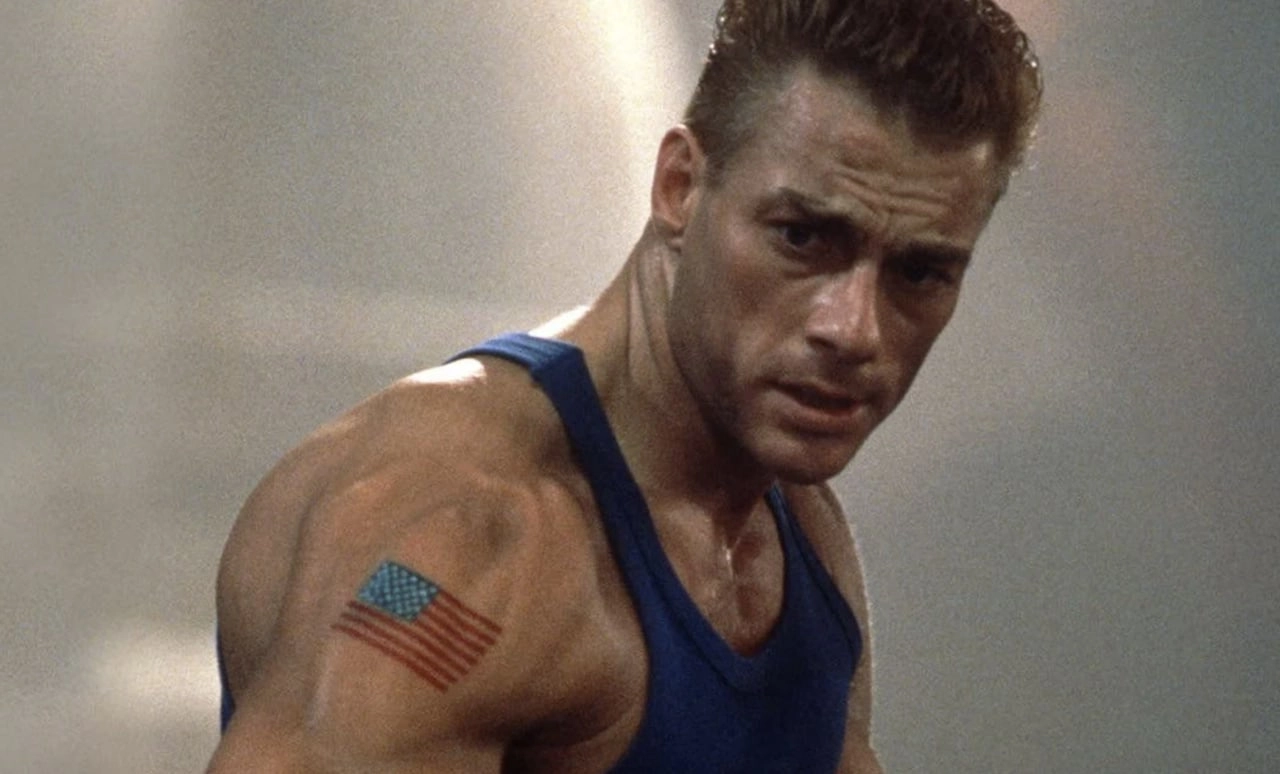
In the early 90s, Hollywood began to explore the potential of video games as source material for films. It was this trend that led to the alliance between Capcom and filmmaker Steven E. de Souza, culminating in the release of a film based on the popular Street Fighter franchise. The result of this collaboration became one of the most talked-about video game adaptations in cinema history, a project fraught with off-screen drama and now made accessible for no cost to viewers within the United States via YouTube's Movies & TV channel.
The making of the Street Fighter movie ventured beyond the usual filmmaking challenges. With a budget of $35 million, this adaptation was set against a backdrop of substance abuse, military turmoil, and the need for significant reshoots. Despite its tumultuous production, the movie turned a profit, generating $99.4 million at the box office and amassing an alleged total of $165 million after home media sales were accounted for. This financial success, however, belied the critical response, which was less than favorable and arguably cast a shadow over the Street Fighter brand's image.
At the heart of the on-set issues was the film's lead actor, Jean-Claude Van Damme. De Souza, years after the film's release, disclosed to The Guardian that Van Damme was heavily using cocaine during production. The studio had employed a handler to oversee Van Damme, who ironically became a negative influence instead. Van Damme's erratic behavior led to repeated absences, forcing de Souza to constantly rework the filming schedule. Van Damme would often be absent, particularly on Mondays following trips to Hong Kong, which strained the film's already rocky production process.
Despite its rocky history, the Street Fighter movie has become a cultural artifact, emblematic of a bygone era when video game movies were a novel concept. Fans and curious viewers in the US now have the opportunity to revisit or experience for the first time this slice of the 90s on YouTube, albeit with perhaps a newfound understanding of the film's backdrop.
It's worth acknowledging the film's legacy isn't solely defined by its problems. Some viewers cherish the movie for its campy portrayal and over-the-top performances that have since earned a cult following. The soundtrack and certain quotable moments have cemented their place in the hearts of dedicated fans who can appreciate the film's quirky charm.
In the landscape of today's entertainment where video game adaptations have become more sophisticated and prevalent, the Street Fighter movie stands as a testament to the industry's early, more experimental phase. It's a reminder of how far cinematic adaptations of games have come, and a nostalgic throwback to the 90s for those who remember the movie's original release.
Now, as the movie has become available for free on YouTube, it provides an easy way for viewers to revisit the past or to understand the evolution of game-based movies. Whether for the nostalgia, the historical insight, or just plain curiosity, the opportunity to watch the Street Fighter movie without charge is a nod to its enduring, if not complicated, legacy.
The availability of this movie for free viewing is a gesture that might introduce a new audience to the early days of video game cinema, while also providing seasoned fans a chance to relive the unique experience that the Street Fighter movie offers. The film's release on YouTube certainly opens the door for discussions about how the industry has learned from such experiences and how future adaptations could be shaped by the lessons of the past.

You must be logged in to post a comment!
