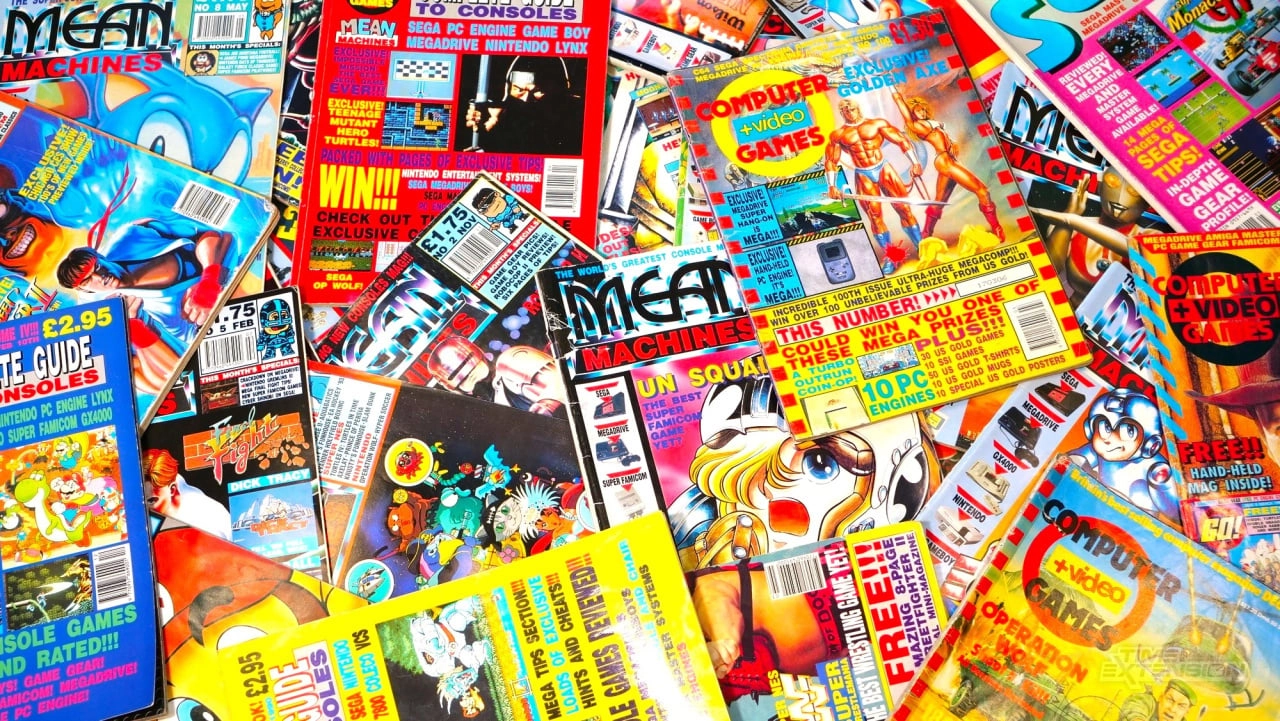
The landscape of video game journalism has seen many influential publications over the years, but few have captured the essence and evolution of gaming like the top UK video game magazines. In a recent feature, The Guardian, through the insights of Keith Stuart, a seasoned journalist and author who has contributed to many of these magazines himself, unveiled a carefully curated list of the 15 most significant gaming magazines originating from the UK.
At the pinnacle of this list stands EDGE, published by Future. Since its inception, EDGE has been widely respected for its insightful editorial content, rigorous analysis, and a forward-thinking approach to video game journalism. Its reputation for quality has set a high standard in the industry, making it a deserving leader in The Guardian's rankings.
Not far behind, we find Computer and Video Games (C&VG) magazine, which secured the third spot. As one of the earliest magazines dedicated to video games, C&VG started providing coverage way back in 1981 and has been a source of valuable information for gaming enthusiasts up until its final issue. Known for its broad coverage, the magazine featured news, reviews, and previews across all gaming platforms.
Positioned right after C&VG in the fourth spot is Super Play. This magazine was particularly known for its focus on the Super Nintendo Entertainment System (SNES) and its fervent advocacy for Japanese games, which often didn’t see a release in the West. Its unique content and passionate coverage made it a favorite among fans of the era, particularly those fascinated by Japanese gaming culture.
Mean Machines, a magazine that initially started as a segment within C&VG, managed to clinch the fifth position in the ranking. It later spun off into a standalone publication that combined humorous and irreverent content with earnest gaming reviews and previews. Its approach helped demystify gaming for a broad audience in the UK, making video games more accessible to the mainstream.
One surprising entry on The Guardian's list is Maximum, edited by the acclaimed Richard Leadbetter. Despite its short run of just seven issues, Maximum made a significant impact thanks to its well-researched articles and beautiful visual presentation. Its focus on the “key games of the era” and comprehensive details placed it on the map, despite its brief existence.
Another Richard Leadbetter-led publication, Official Sega Saturn Magazine, also made it onto the list at number 12. Tackling the challenge of covering a console that had diminished presence in the UK market, this publication shone by delivering outstanding insights into the best games on the Sega Saturn. The magazine increasingly turned to covering Japanese imports, a move that endeared it to hardcore gamers and collectors, thus securing its place as a valuable resource.
The Guardian's feature not only revisits the memories of these influential magazines but also underscores their role in shaping the UK's gaming culture. These magazines varied greatly in style and focus but shared a common goal of fostering a deeper understanding and appreciation of video games. From providing early coverage of upcoming games and consoles to exploring niche gaming genres, they expanded the horizons of their readership.
This ranking by The Guardian is not just a nostalgia trip for those who lived through the golden age of gaming magazines but also serves as an educational resource for newer generations of gamers. Understanding the roots of video game journalism provides context to the current digital landscape, where the written word has mostly moved from print to online platforms.
As the digital age continues to evolve, the legacies of these pioneering publications remain influential, reminding us of the power of dedicated journalism and passionate coverage in shaping an industry. Through detailed analysis and historical context, these magazines continue to be celebrated not just for their content, but for their significant contributions to the video gaming community and culture at large.

You must be logged in to post a comment!
