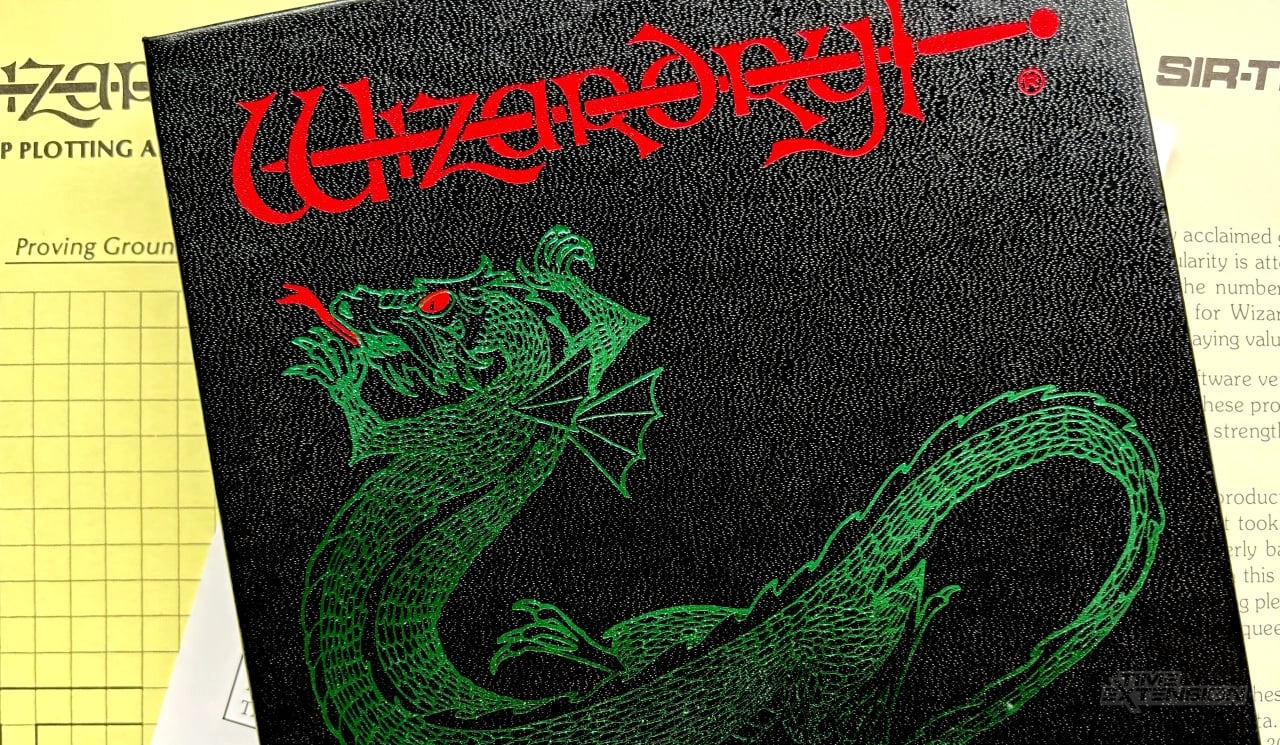
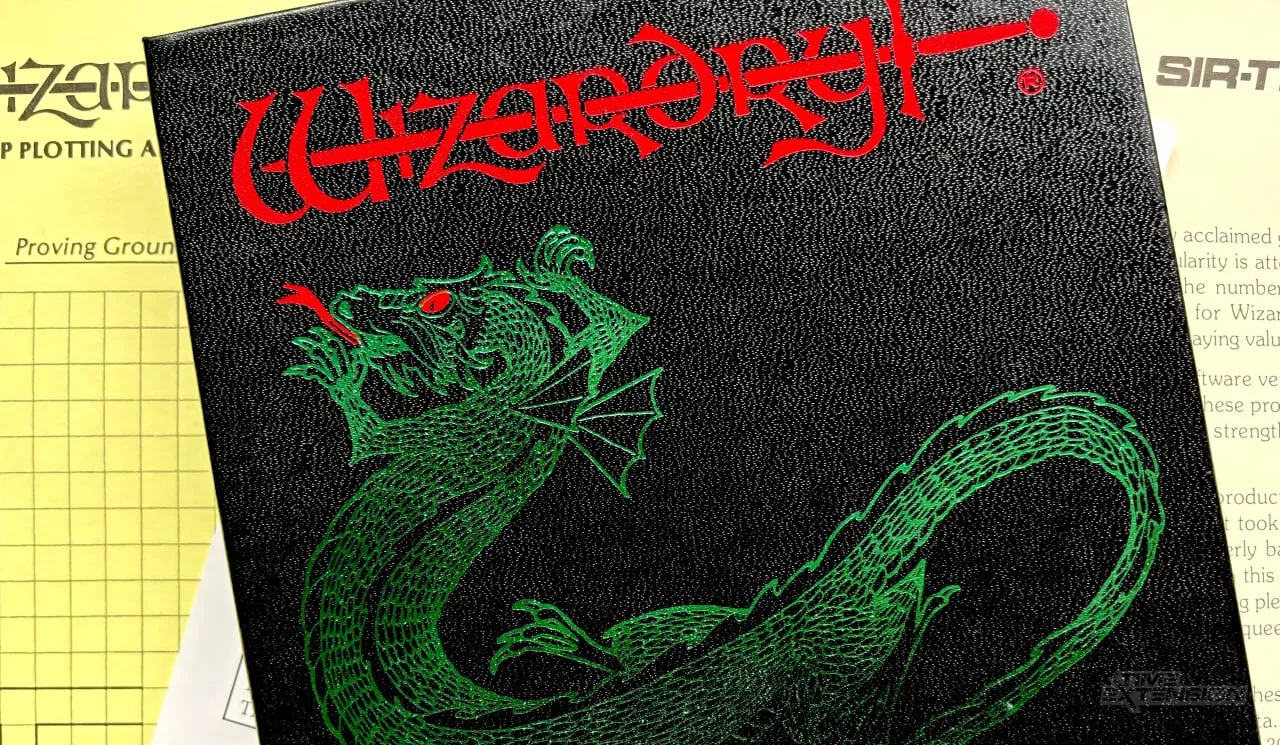
The game Wizardry, full title "Wizardry: Proving Grounds of the Mad Overlord," made a monumental debut in 1981, introducing the world to a Dungeon & Dragons-style experience accessible via the Apple II computer. Developed by Andrew C. Greenberg and Robert Woodhead, it presented an intricate maze beneath the castle of a mad overlord named Trebor, filled with an array of monsters that players had to navigate through.
Wizardry's gameplay was immersive and challenging, focusing on tactical battles and strategic management of party members and resources. Players would assemble a team of characters from various races and classes and dive into the labyrinthine depths to battle monstrous entities, collect treasures, and amass power to ultimately face the evil wizard Werdna—whose name, interestingly, is Andrew spelled backward, a touch of the game's often whimsical in-jokes.
What set Wizardry apart was not just its gameplay but its implementation on the technological fronts. It utilized the Apple II's computing capabilities to deliver a visually engaging and structurally complex dungeon crawler that was one of the first of its kind. The significance of Wizardry is manifold—its direct influence is seen in seminal franchises like Final Fantasy and Dragon Quest. Hironobu Sakaguchi and Yuji Horii, creators of these respective series, have both indicated how Wizardry's mechanics and depth inspired their own designs.
Before Wizardry’s creation, Robert Woodhead had cultivated an early interest in programming during high school by utilizing the resources at a local college, propelled there by personal initiative and his mother's support. This led him to Cornell University, where he continued to engage with emerging computing technologies, particularly the PLATO system which featured multiplayer games— an early glimpse into networked gaming. Woodhead's collegiate experiences and explorations of gaming on PLATO heavily informed his later work in crafting Wizardry.
The inception of Woodhead and Greenberg's partnership on Wizardry began with an agreement to merge their creative efforts—Woodhead’s nascent game concept in Pascal language and Greenberg's existing game in its basic form. The synergy between their ideas and expertise resulted in the development of what would eventually become Wizardry.
Wizardry was not just a successful game commercially but it also stimulated a new genre of video games that emphasized complex storytelling, character development, and user-led narratives within expansive fantasy worlds. Its impact traversed beyond borders, inspiring a slew of game developers globally and acquiring a special reverence in Japan. The adaptation of Wizardry for the Japanese audience was not just a straightforward translation but involved a considered effort to tailor the game to local preferences and technological contexts— a project that allowed Wizardry to thrive in an international market.
Moreover, Wizardry fostered a community of gamers and programmers who developed unofficial mods, guides, and add-ons, further testament to its profound impact on consumer engagement and participatory gaming culture. This community-driven aspect of Wizardry arguably paved the way for modern gaming cultures where fan involvement shapes game development and expansion.
The legacy of Wizardry is enduring; it demonstrated the potential of video games as a medium for sophisticated storytelling and immersive player experiences. It also helped establish foundational elements for RPGs that are still appreciated by gamers and developers alike. As gaming technology has evolved, so too has the appreciation for Wizardry’s pioneering role in the gaming industry.
Looking back, Wizardry was more than just a game; it was a harbinger of what was possible in digital gaming. It pushed the boundaries of existing technology and gameplay design, setting the stage for the future of RPGs. Whether directly or indirectly influenced, every RPG today owes a little to the groundwork laid by Wizardry—a true classic in every sense of the word.

You must be logged in to post a comment!
