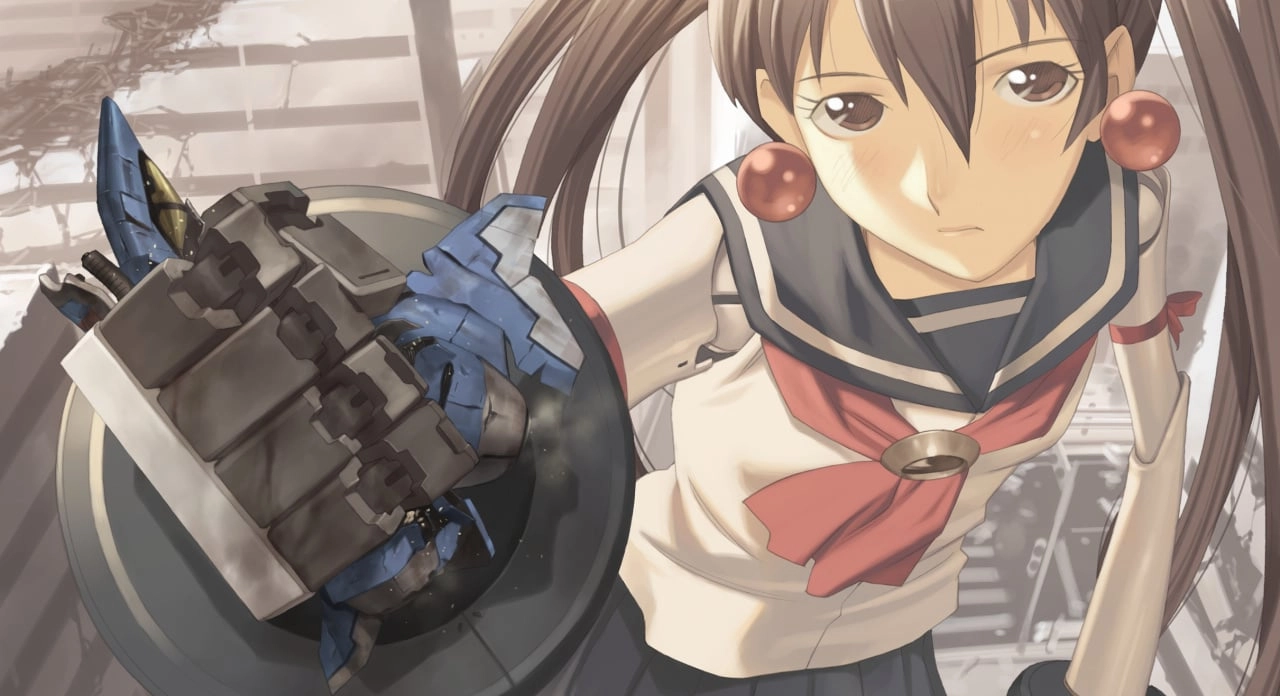
The DonPachi series by CAVE Co. Ltd., originating in 1995, has been a shaping force in the world of shoot-em-ups (shmups), particularly ushering in the era of 'bullet hell'. This series left an indelible mark on the arcade landscape, coming from a cadre of former employees of the '80s software developer Toaplan. Tsuneki Ikeda, a vital member of the team, was instrumental in elevating the shoot-em-up genre to new heights despite the dominance of 3D gaming at the time.
With a history starting from Toaplan's swansong titles such as Grind Stormer and Batsugun, the inception of 'bullet hell' became apparent—a style featuring a screen filled with a barrage of slow-moving bullets. The birth of CAVE and the introduction of DonPachi (1995) was not just a continuation of Toaplan’s legacy but a revolution in shmup design that inspired a generation.
Cannon Dancer, an early title by Ikeda, involved intricate bullet patterns that flirted with danger and subsystems that encouraged creative risk-taking. CAVE's shmups turned unforgiving difficulty into an art form, with games like Ketsui and Mushihimesama's Ultra Mode offering relentless challenges. Merging the rush of bullets and the adrenaline of dodging, these games mesmerized the most avid score hunters and hardcore arcade enthusiasts.
Throughout the late '90s and early '00s, the West remained largely unaware of CAVE's growing legend. Although the DonPachi series saw releases on the Saturn and PlayStation in Japan, it was the success of Ikaruga—a non-CAVE shmup—that caught mainstream media's attention in the West, overshadowing the cachet of CAVE’s offerings that shmup aficionados had come to revere.
DonPachi, DoDonPachi, and their sequels introduced mechanics that defined CAVE's philosophy: precise hitboxes, relentless enemy aggression, and a scoring system that rewarded daring play. Each release added layers to the robust systems—be it through mesmerizing bullet curtains, punishing bosses, or intense scoring mechanics.
Among standouts, DoDonPachi DaiOuJou took the genre to zenith levels with even die-hard fans declaring it a pinnacle not only in CAVE's lineup but in arcade gaming as a whole. Following the 'less is more' principle, this entry saw shedding complexities for pure, adrenaline-pumping gameplay that rewarded players’ mastery with an unsurpassed euphoria.
Yet, DaiFukkatsu brought a different flavor, experimenting with ship styles and accessible mechanics like auto-bombs. This installment splintered opinions but added unique elements to CAVE's repertoire that would become part of their identity.
Near the saga's end, SaiDaiOuJou served as the series’ elegant last bow, harking back to simpler mechanics while simultaneously reaching new heights of challenge and design finesse. It was the final statement from CAVE in the arcade shooter arena—the culmination of nearly two decades of evolving bullet hell.
The intellectual and physical challenge of a well-crafted shmup has always been the core appeal of the genre. The elation of navigating through an impossible maze of bullets, achieving a coveted one-credit-clear, or uncovering an unrevealed path for a higher score, provided players with unique highs—a cocktail of concentration, reflex, and strategy.
CAVE's mastery in game design propelled the DonPachi series into legendary status—an ode to challenge, intricacy, and the pure joy of survival against overwhelming odds. The series may have ended, but it redefined the shmup genre, leaving a blueprint that both developers and players would continue to celebrate and draw inspiration from long after the last credits dropped.
The tale of DonPachi and its sequels is also the story of an industry's evolution, the persistence of the arcade spirit, and the resilience of a genre that refuses to fade into obscurity. CAVE's dedication has immortalized their work, proving that even in a medium as fast-paced and ever-changing as gaming, some legends endure—just like the ever-tense, yet ever-appealing, bullet hell.

You must be logged in to post a comment!
