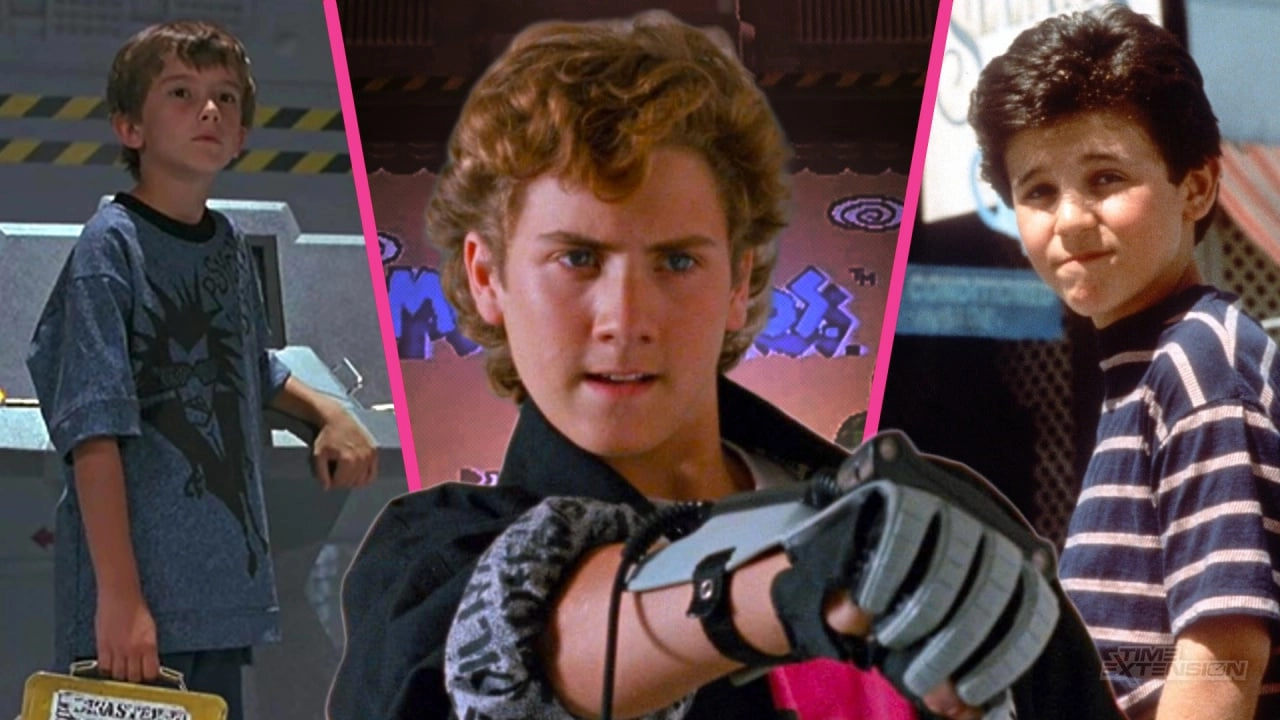
Back in 1989, Nintendo ventured into the Hollywood scene with "The Wizard," a movie that integrated the allure of video games with the magic of cinema. Directed by Todd Holland and written by David Chisholm, this road movie was crafted under the auspices of Universal Pictures and framed as a coming-of-age story that used video games as a narrative vehicle rather than the story's focus. The plot centralizes on a broken family striving to heal from a profound loss, showcasing Nintendo's entertainment propensity beyond its gaming consoles.
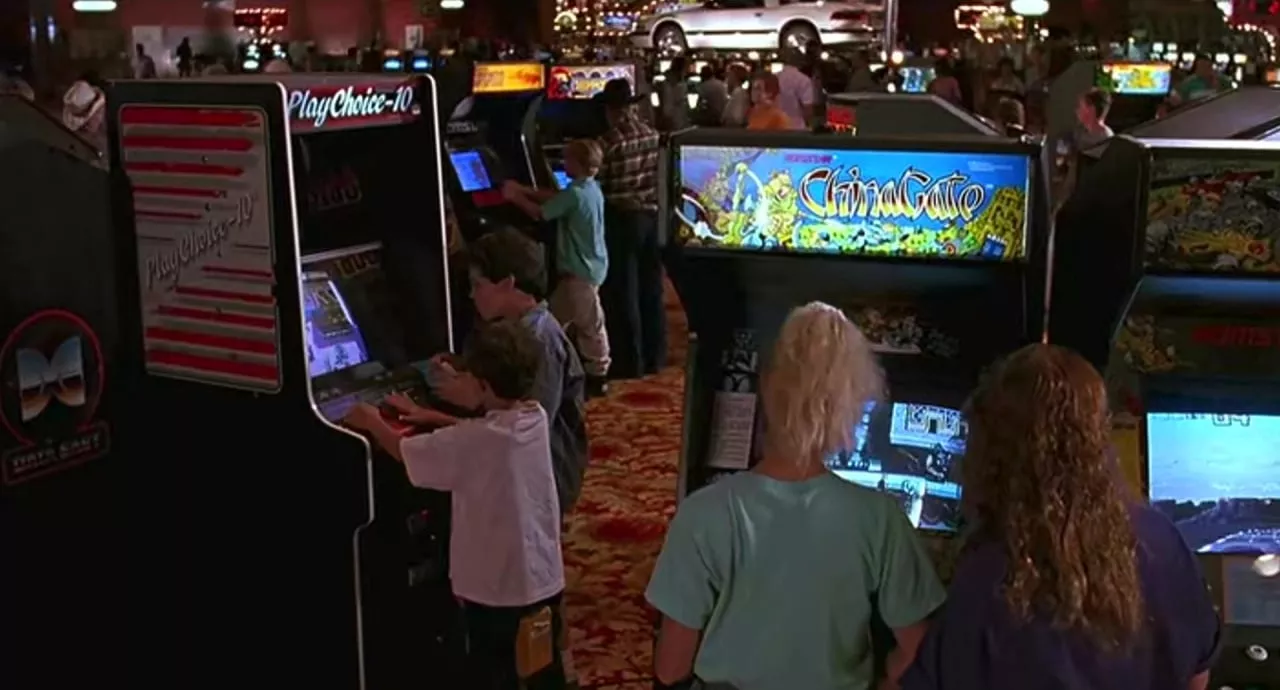
"The Wizard" was conceptualized as a video game version of "Tommy," the 1975 rock opera movie. However, instead of focusing solely on Nintendo franchises, the film followed a more expansive narrative. Despite a modest budget of $6 million and returning $14.3 million at the box office, the film was initially met with critical disdain. Roger Ebert famously denounced it as a cynical exploitation film filled with commercial plugs. Nevertheless, over the years, "The Wizard" has emerged as a cult classic, beloved not just for its showcase of Nintendo's trendiest NES games of the time but also for its heartfelt themes.
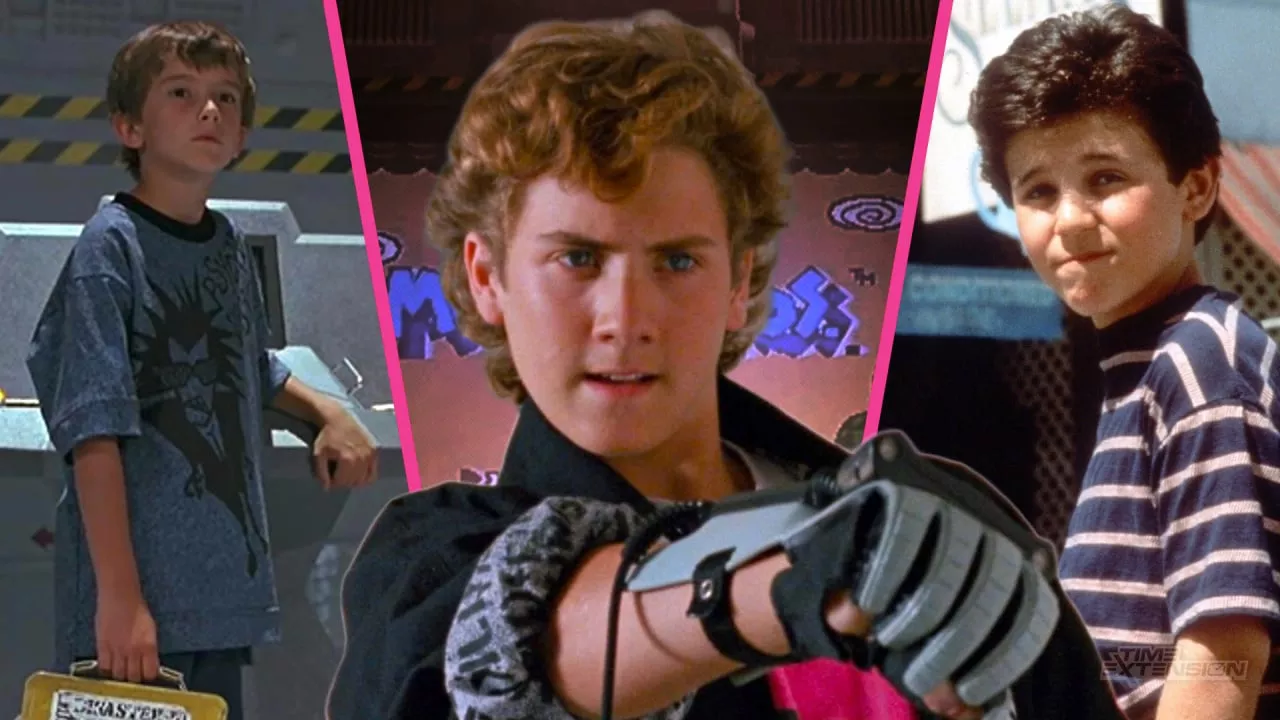
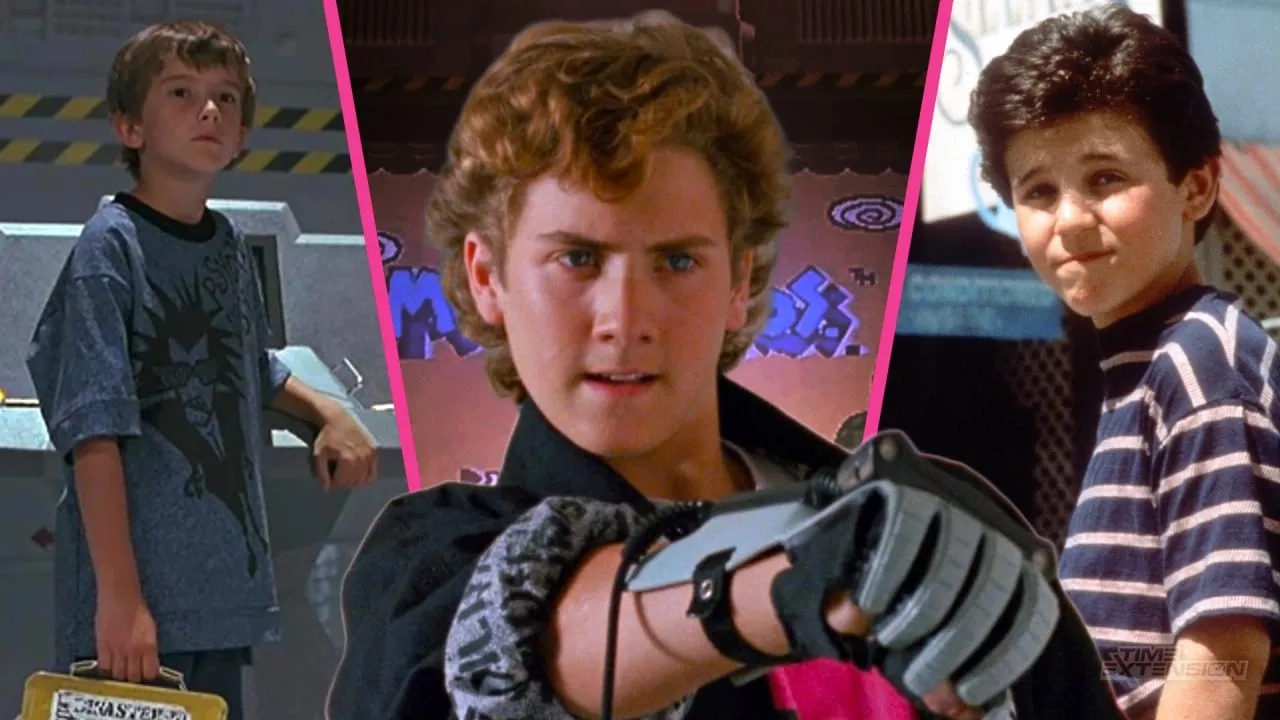
Director Todd Holland, along with stars like Fred Savage (Corey Woods), and Luke Edwards (Jimmy Woods), played pivotal roles in the movie. Savage was already a popular child actor by then, due to his role in "The Wonder Years." Other notable actors included Christian Slater as Nick Woods, Beau Bridges as Sam Woods, and Jenny Lewis as Haley Brooks. Lewis, interestingly, later transitioned from acting to becoming the lead singer of the indie rock band Rilo Kiley.
The rapid production timeline was shaped largely due to Savage’s availability around his "The Wonder Years" schedule. This urgency led Universal to choose Holland, who, despite expressing no initial interest in video games, focused on crafting a film that would resonate well beyond the gamer audience. The casting process, managed by Holland and casting director Mali Finn, was instrumental in bringing together a memorable ensemble that brought the film’s characters to life.
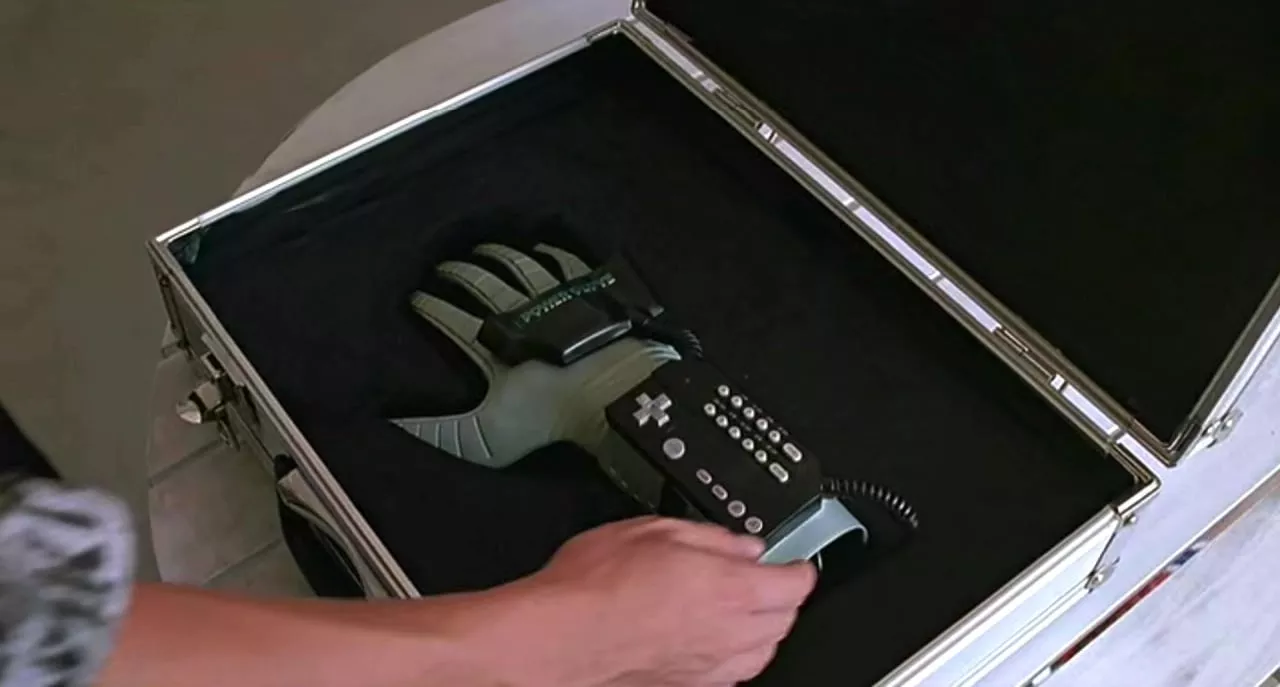
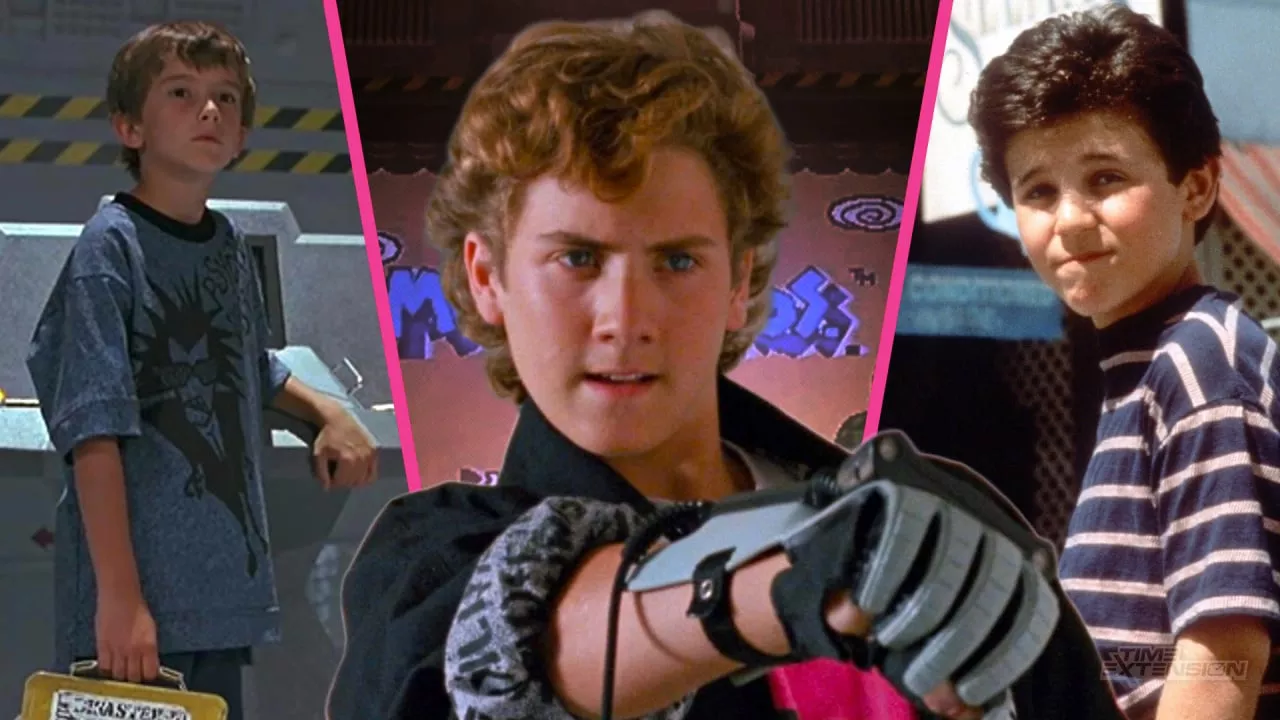
During filming, Holland faced several challenges, especially concerning the logistics of shooting in various locations like Reno and Universal Studios. One significant issue was the inclusion of certain video game products like the Power Glove and Super Mario Bros. 3, which tied into Nintendo's marketing strategy at the time. This integration of real-world products into the narrative was a novelty at the time, predating the now-common practice of product placement in films.
"The Wizard" was infamous for its product placements, including the dramatic showcasing of the Power Glove and the introduction of Super Mario Bros. 3 to American audiences, which added a commercial layer to the movie. Despite these overt endorsements, the film also included substantial emotional depth through its characters' journeys.
One critical element of the film was its emotional climax, which underwent significant revisions to provide a more satisfying conclusion to the family’s storyline. Originally scripted as a vague triumph at a video game competition, Holland re-envisioned the finale to focus on the family coming together to understand and heal from their past tragedy. This narrative pivot transformed the film from a simple adventure into a poignant exploration of grief and redemption, centered around the mysterious "California" trope that runs throughout the movie.
Despite its commercial underperformance and initial negative reviews, "The Wizard" found a dedicated fanbase who appreciated its nuanced take on family, grief, and the joy of video games. As Holland and the cast reflect on the project decades later, they regard the film with fondness, acknowledging its unique role in blending gaming culture with cinematic storytelling.
Today, as "The Wizard" celebrates its 35th anniversary, the film is not only remembered for its pioneering blend of video game culture and cinema but also for the emotional resonance that has allowed it to maintain its status as a beloved classic. It stands as a testament to the enduring appeal of storytelling that can bridge different media, appealing to audiences of all ages. As gaming continues to evolve, "The Wizard" remains a milestone in Nintendo’s extensive entertainment legacy, showcasing the potential of video games to inspire narratives that transcend the screens they are played on.
You must be logged in to post a comment!
