
Video games have grown from a niche hobby to a colossal industry, offering a range of immersive experiences that span countless genres. The enjoyment derived from playing video games is self-evident, as they provide a means of entertainment comparable to music or film, yet with the added dimension of interactive engagement. This interactivity allows players not only to absorb content passively but to influence the outcomes of the stories they’re engaged in. Gaming tests players' skills across a multitude of domains—be it reflexes, strategic thinking, or problem-solving.
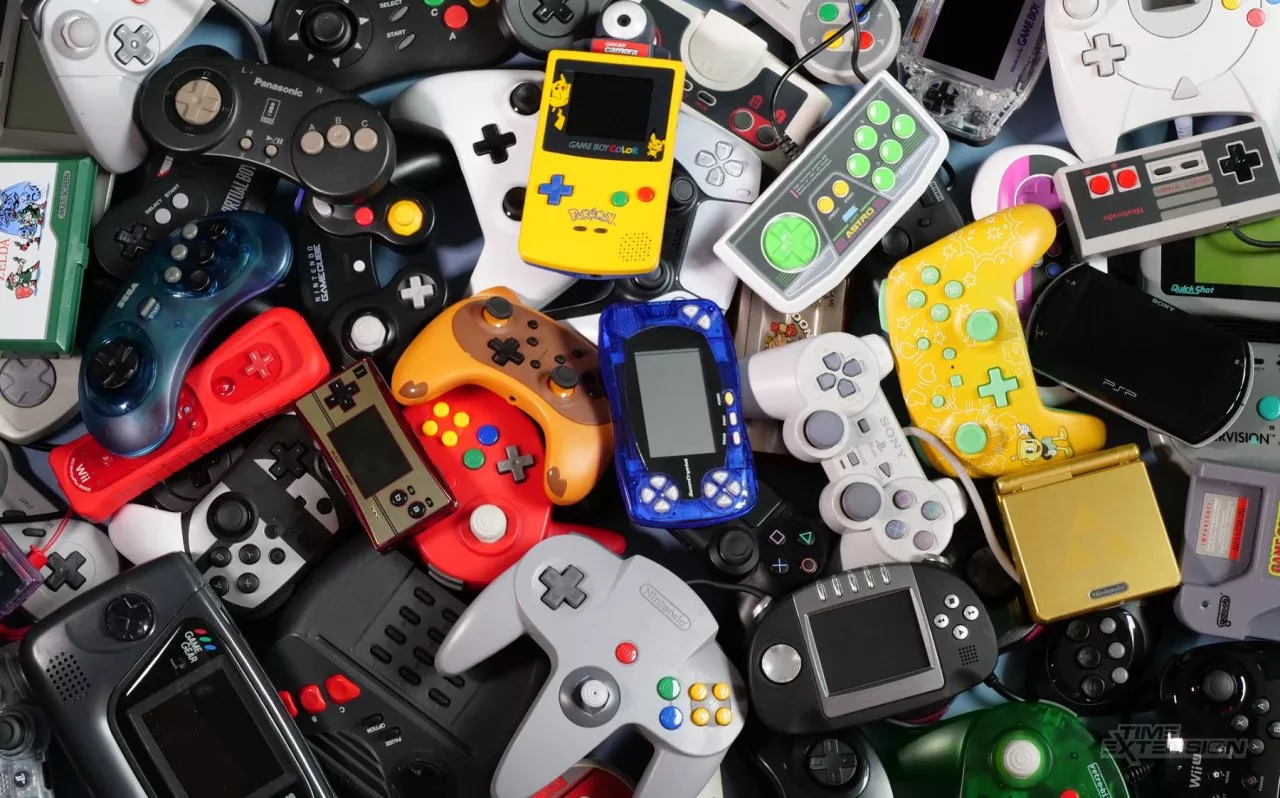
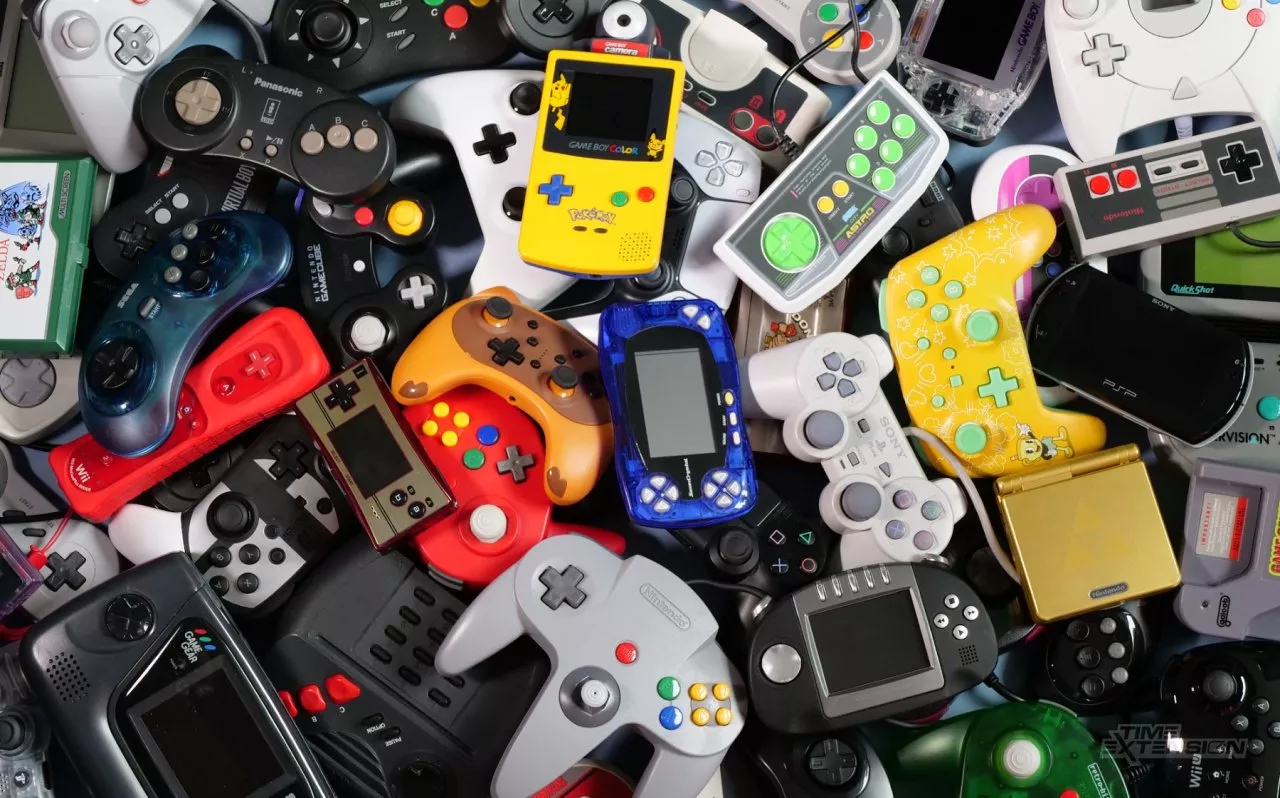
Yet the attraction to retro or classic games is a phenomenon that may require a deeper introspection. It's clear that age does not diminish a game's ability to challenge or entertain its audience; indeed, classic titles such as "Super Mario World," "Streets of Rage 2," "Street Fighter 2," and "The Legend of Zelda: A Link to the Past" have stood the test of time. They remain as engaging now as they were when first released. The gameplay experience offered by these titles is often considered 'pure', unhindered by the modern gaming ecosystem of online updates and downloadable content (DLC).
An additional layer to the appeal of retro games is nostalgia. For many, classic games are akin to portals to the past, capable of evoking vivid memories of the first time they were played. In the same vein that a song from a band like Oasis might transport someone in their 40s back to their school days, booting up a cherished game from one's childhood has the power to instantaneously bridge the gap between then and now. This sensation is perhaps even more potent with gaming, as the medium requires active participation and engages the senses in a comprehensive way.
Personal recollections contribute significantly to the love of retro gaming. For those like myself who lived through the earlier eras of gaming, the consoles and games of those times are indelibly tied to periods of our lives that were formative and cherished. Specific memories surrounding gaming—the excitement of receiving a new console, the anticipation of importing games, or the camaraderie of playing with friends—are forever etched in the identity of gamers who grew up during those times.
Retro gaming often serves as a form of time travel, not just reliving past gaming glories, but revisiting the moments that defined our younger selves. These games and systems are not merely old electronics but repositories of precious personal histories. Existential psychologist Clay Routledge once articulated this phenomenon, stating that nostalgia is a functional emotion. It can increase positive mood, self-esteem, and a sense of existential meaning by reflecting on significant past experiences.
Routledge suggests that retro gaming's draw is not solely about the games themselves. It's more about the broader context of when those games were played. The games act as cues or reminders of fulfilling experiences from youth, like siblings and friends gathered around a console, absorbed in collective adventure and challenge.
Beyond the personal, there is a universal aspect to the retro gaming allure. We live in an ever-changing and often uncertain world, filled with conflict, illness, and economic instability. In contrast, the past is immutable—a safe harbor of memory that does not shift with the turbulent tides of the present. Many seek refuge in the known and unchangeable aspects of their earlier years, creating balance and continuity within their present mental state.
While nostalgia plays an undeniable role in the appreciation of retro gaming, the quality intrinsic to these games cannot be discounted. If nostalgia were the sole factor, younger gamers—those without firsthand experience of these games’ original release—would not find them appealing. The reality, however, is that retro games continue to attract players of all ages, underscoring the standout design and gameplay that transcends generational divides.
Even as we acknowledge the inherent appeal of old-school gaming, it's important to recognize that the relationship with these games can be complex. For some, including myself, the idea of playing a retro game can be more evocative than the gaming session itself. This reflects the reality of adult life, with its myriad responsibilities and limited leisure time. Yet, even the act of purchasing a retro game can stir a deep sense of joy and satisfaction that extends beyond actual gameplay.
Retro games are more than just relics from an earlier time. They are interactive milestones that represent individual growth, societal change, and technological advancement. Whether one plays these games to reconnect with a bygone era or to simply revel in excellent design and gameplay, there is no denying that classic video games have an enduring quality that continues to resonate with players of all ages. So, whether you are a seasoned gamer yearning to relive your youth or a newcomer eager to explore gaming's rich history, retro games offer a unique and irresistible blend of entertainment and nostalgia that is sure to provide hours of enjoyment.

You must be logged in to post a comment!
