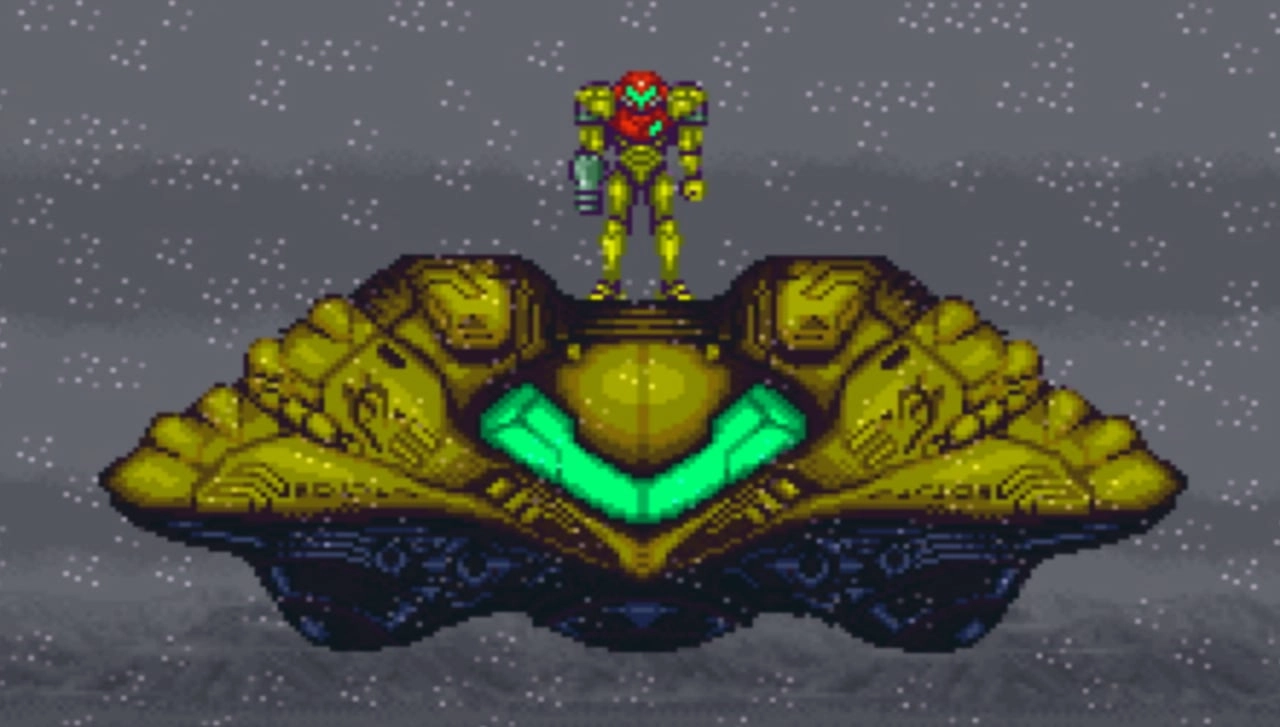
Before discussing the impact and enduring legacy of Super Metroid, it is essential to transport ourselves back to the early 90s era of gaming, when the Super Nintendo Entertainment System (SNES) reigned supreme. At that time, video games were rapidly evolving, with developers exploring new ways to tell stories and craft experiences. In this context, the release of Super Metroid was not just a milestone for Nintendo but for the entire gaming industry.
From the moment players took control of Samus Aran, the interstellar bounty hunter and protagonist of the Metroid series, they embarked on an adventure that was as haunting as it was revolutionary. Super Metroid transcended the technical limitations of its predecessors, utilizing the capabilities of the SNES to deliver a profound audiovisual experience.
One of the immediate differences players noticed upon starting Super Metroid was its departure from the catchy 8-bit melodies of the first two games. Instead, they were met with the eerie silence of the derelict Ceres space colony. This absence of music, punctuated only by the ambient sounds of the station, set the stage for a story that was going to be darker and more atmospheric than anything Nintendo had created before.
Upon escaping the station and arriving on the storm-lashed Planet Zebes, players truly began to grasp the depth of the game's ambiance. The rain-soaked plains of Zebes, illuminated by occasional lightning strikes, created a sense of foreboding and mystery. It was clear that this world was alien, hostile, and that each step forward might bring new dangers.
Super Metroid's atmosphere was further enhanced by an unforgettable soundtrack, courtesy of Kenji Yamamoto and Minako Hamano. The compositions were unlike anything heard in a video game at the time. They were minimalist and contemplative, yet they punctuated the game's most intense moments with a frenetic energy that perfectly complemented the visuals.
The gameplay of Super Metroid was another aspect that captivated players. It featured a non-linear world that encouraged exploration and the use of new abilities to uncover secrets and progress through the game. This approach not only allowed players to engage with the game world in a more meaningful way, but it also laid the foundation for what would come to be known as the Metroidvania genre.
Indeed, it was the combination of Super Metroid's exploration-based gameplay and its thick atmosphere that led to its timeless appeal. Players felt isolated and vulnerable, alone in a vast, unwelcoming world that demanded both skill and cunning to survive. This sense of isolation became a trademark of the series and one that would inspire countless other games in the future.
As players ventured deeper into the caves and ruins of Zebes, confronting its various hostile inhabitants and overcoming intricate environmental puzzles, they pieced together the story of Samus and her place within this unsettling universe. The game avoided overt storytelling in favor of visual storytelling and environmental cues, allowing players to be active participants in the unfolding mystery.
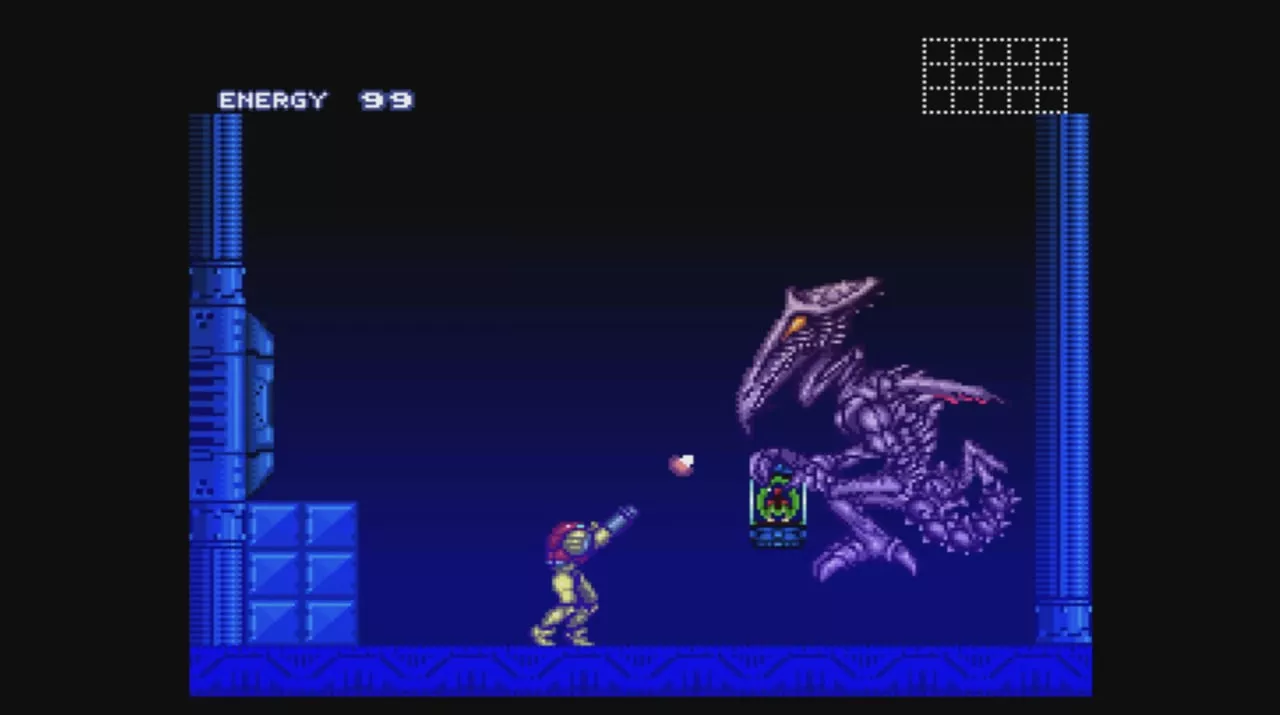
The brilliance of Super Metroid's design was in how it balanced moments of quiet tension with sudden bursts of action and excitement. Encounters with formidable enemies like Ridley were not just tests of the player's combat prowess; they were climactic events that would rise organically from the game's rhythm.
Thirty years after its release, it's no surprise that Super Metroid remains a benchmark for atmospheric gaming. It's a game that felt alive, a game that, unlike many of its contemporaries, recognized the power of subtlety and restraint in creating an immersive world.
As the industry continues to evolve, with games becoming more complex and visually stunning, the genius of Super Metroid endures. It remains a testament to the power of mood, atmosphere, and player immersion. It set a high bar for atmospheric gaming—a bar that, three decades later, still stands as a challenge to game developers around the world.
Super Metroid's influence is felt across the spectrum of gaming, from indie developers to mainstream studios, as new and old gamers alike return to the planet Zebes to experience Samus's journey. It is a reminder that, even amidst the technological advancements and changing trends in gaming, the core principles of creating a compelling, atmospheric experience remain timeless.

You must be logged in to post a comment!
