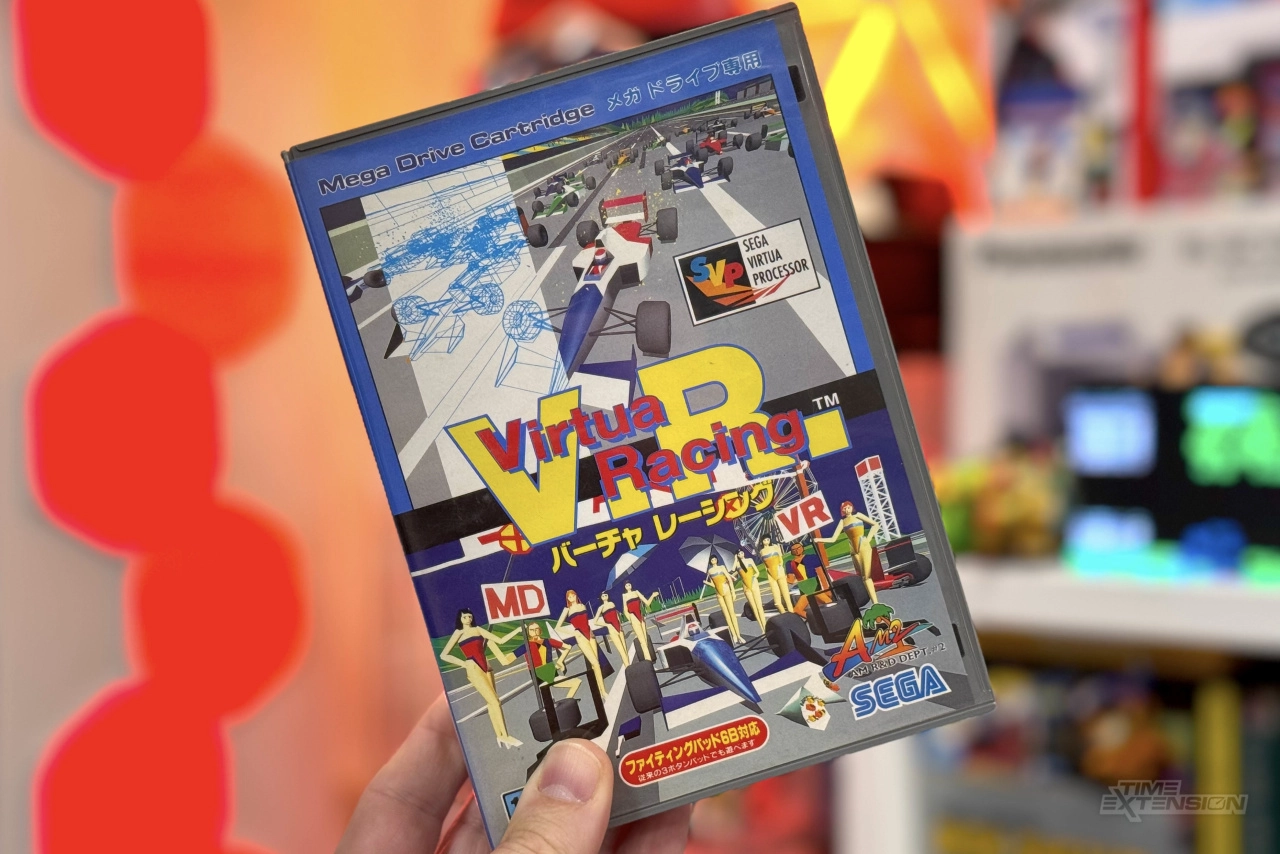
In the realms of video gaming and technology, unexpected interactions between devices can sometimes lead to fascinating stories. A noteworthy example of such an incident occurred in the early 90s with Sega’s Mega Drive game, Virtua Racing. This game, notable for its advanced graphics and real-time 3D polygons, was not just groundbreaking in terms of gameplay but also had an unusual effect on household technology—specifically, cordless telephones.
Virtua Racing was distinguished by its inclusion of the SVP (Sega Virtua Processor) chip, which was designed to enhance the processing power of the Mega Drive, allowing it to display more advanced graphics and smoother frame rates, a significant improvement over anything previously available on the console. However, this technological advancement came with an unexpected side effect. Reports started surfacing that playing Virtua Racing could cause cordless phones within the vicinity of the console to ring spontaneously.
The phenomenon caught the attention of tech enthusiasts and gamers after being reported in an early issue of EDGE magazine, dated July 1994. The magazine mentioned that several incidents had been reported where the import version of Virtua Racing led to this bizarre occurrence. Following this, a British Telecom employee expressed concerns about the potential chaos this issue could create when the game was officially released in the United Kingdom.
Understanding why this happened involves a bit of technical insight. The SVP chip inside the Virtua Racing cartridge operated at a frequency that inadvertently matched that used by some cordless phone models. This frequency overlap led to interference with the phone's signal, causing the phones to ring without any incoming call. Essentially, the game cartridge emitted a signal that was misinterpreted by nearby phones as a call signal.
Such interference was more common with older cordless phone models that operated on frequencies close to those used by various electronic devices, including gaming consoles. Modern cordless phones and other wireless technologies now use different frequencies and encoding schemes, which help to avoid such odd interactions.
The incident serves as a fascinating anecdote in the history of videogames and electronic devices, illustrating how advancing technology can sometimes lead to unforeseen consequences. It underscores the complexity of electromagnetic compatibility, a field dedicated to managing how electronic devices interact in a shared environment without causing mutual interference.
This tale of Virtua Racing is not only a throwback to a simpler time in gaming but is also a reminder of the quirks of early consumer electronics. For those who owned a mix of gaming consoles and cordless phones in the early 90s, it’s a story that brings a nostalgic smile or perhaps a puzzled frown, reminiscing about a time when the technologies we now take for granted were still finding their footing in the consumer market.
While it might seem trivial, these historical tidbits highlight the iterative nature of technology development, where every product and every mistake pave the way to better understanding and innovations. For the tech-savvy and the curious, stories like that of Virtua Racing and the ringing phones are not just anecdotes but lessons in the interconnected nature of technological progress.

You must be logged in to post a comment!
