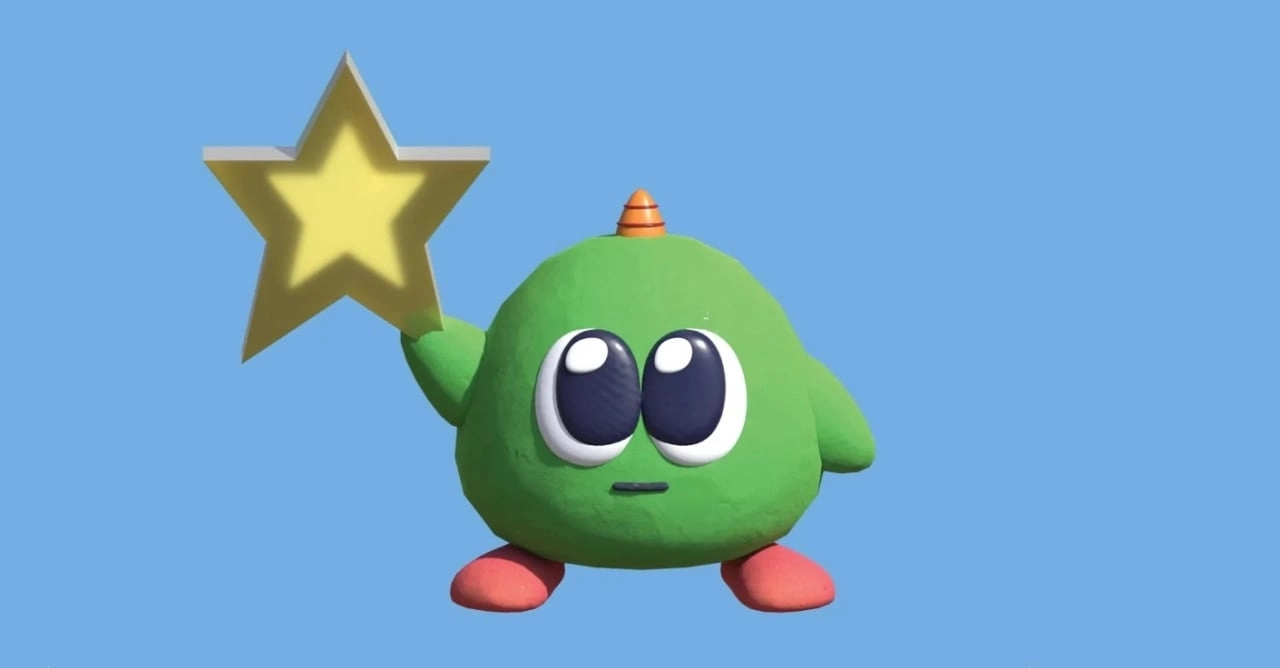
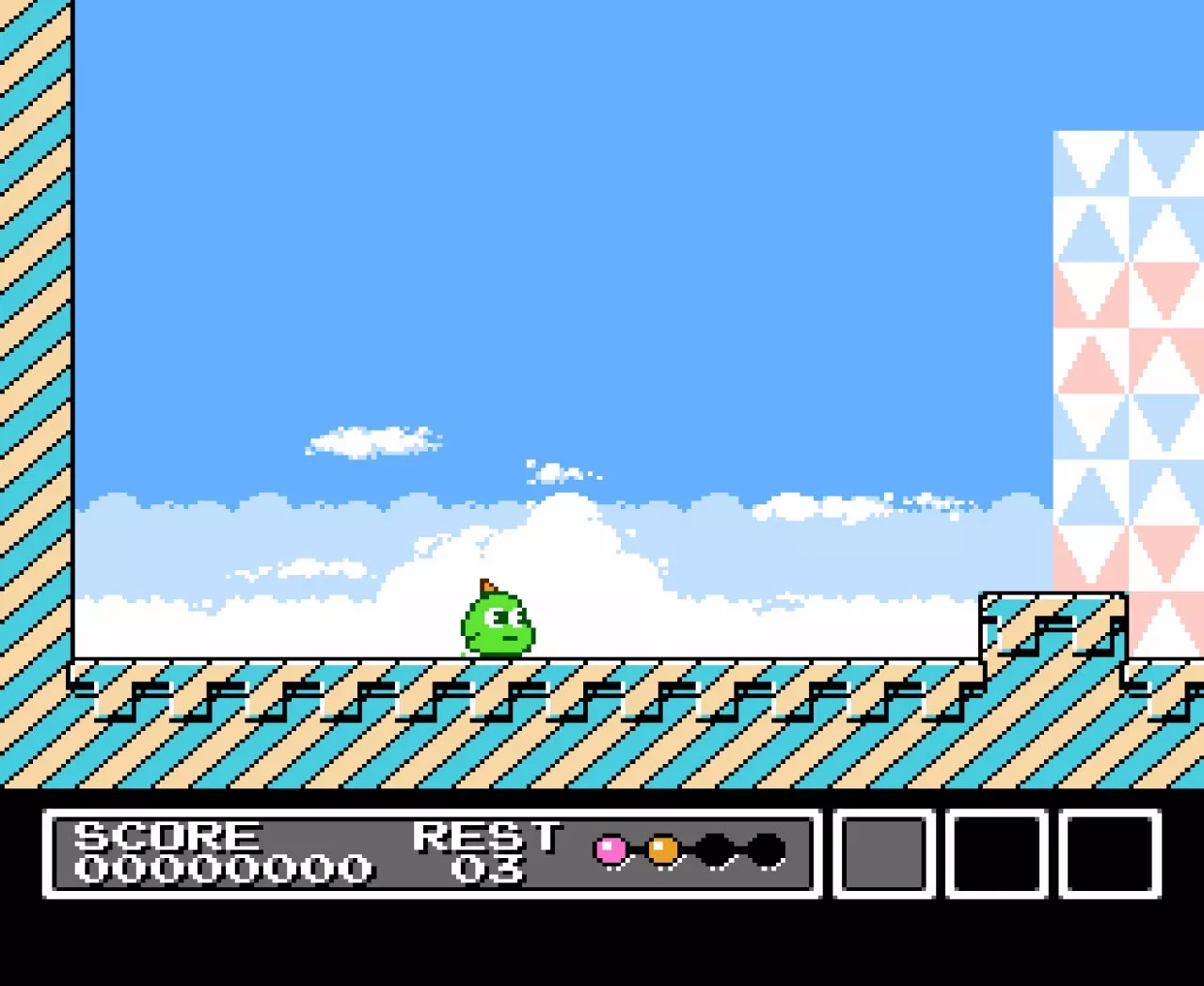
The Nintendo Famicom game Gimmick!, a platformer with intricate physics and detailed graphics, stands as a testament to the innovation and creativity of its era. Released in 1992 by Sunsoft, the game was renowned for pushing the capabilities of the original Famicom system, using advanced tileset algorithms and Sunsoft's 5B audio chip for enhanced graphics and sound. Despite its technological achievements, Gimmick! was only released in limited markets, specifically Scandinavia, under the name Mr. Gimmick.
Over the years, Gimmick! has grown into a cult classic, appreciated for its innovative gameplay and artistic achievements. This resurgence in popularity prompted Bitwave Games and Sunsoft to launch a remaster and a sequel, Gimmick! Special Edition and Gimmick! 2, respectively, in 2023. Interestingly, the original designer, Tomomi Sakai, was not involved in these projects.
Tomomi Sakai's journey into game development began with his fascination for video games after experiencing Taito’s Lunar Rescue. His first creation was a simple rock-paper-scissors game, developed using a BASIC programming guide. This modest start eventually led him to a career at Sunsoft, where he met his classmate Masahiro Terao who recruited him and introduced him to a newly invigorated development team.
At Sunsoft, Sakai transitioned from creating small titles to taking on larger projects. Before Gimmick!, he contributed to several games, including Fester’s Quest and Freedom Force, as a programmer. His real breakthrough came with Gimmick!, for which he was the lead game designer. This project was his opportunity to have full control over the game development, transforming his vision into reality.
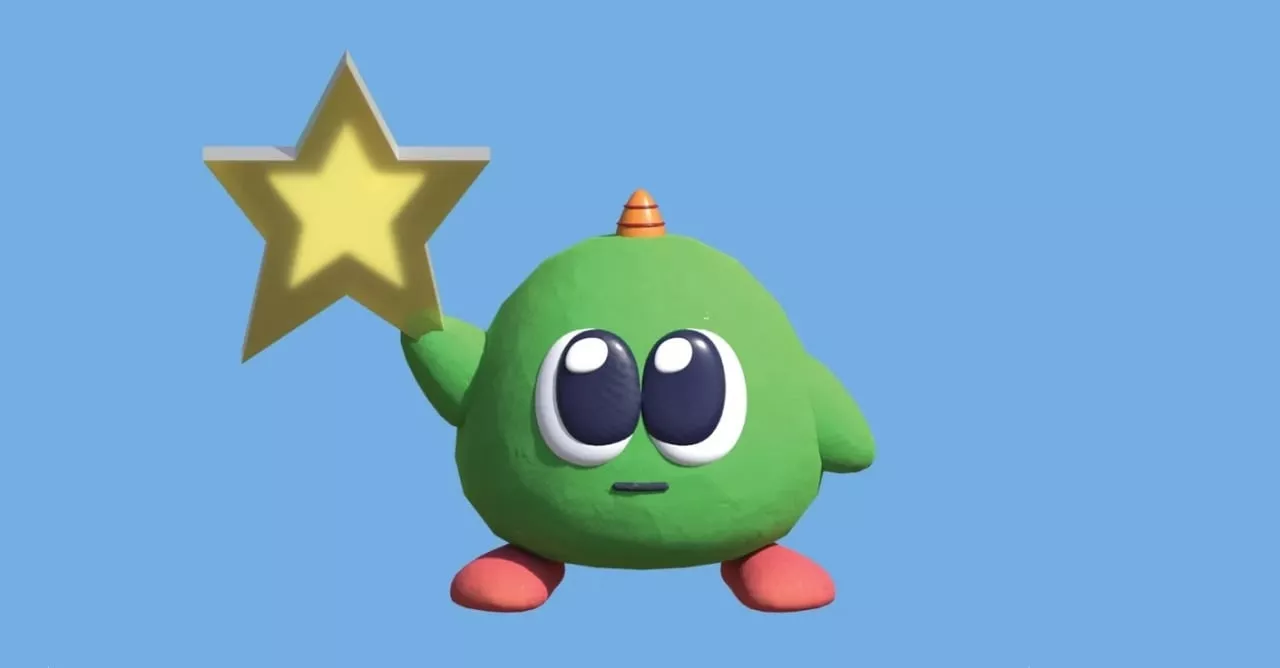
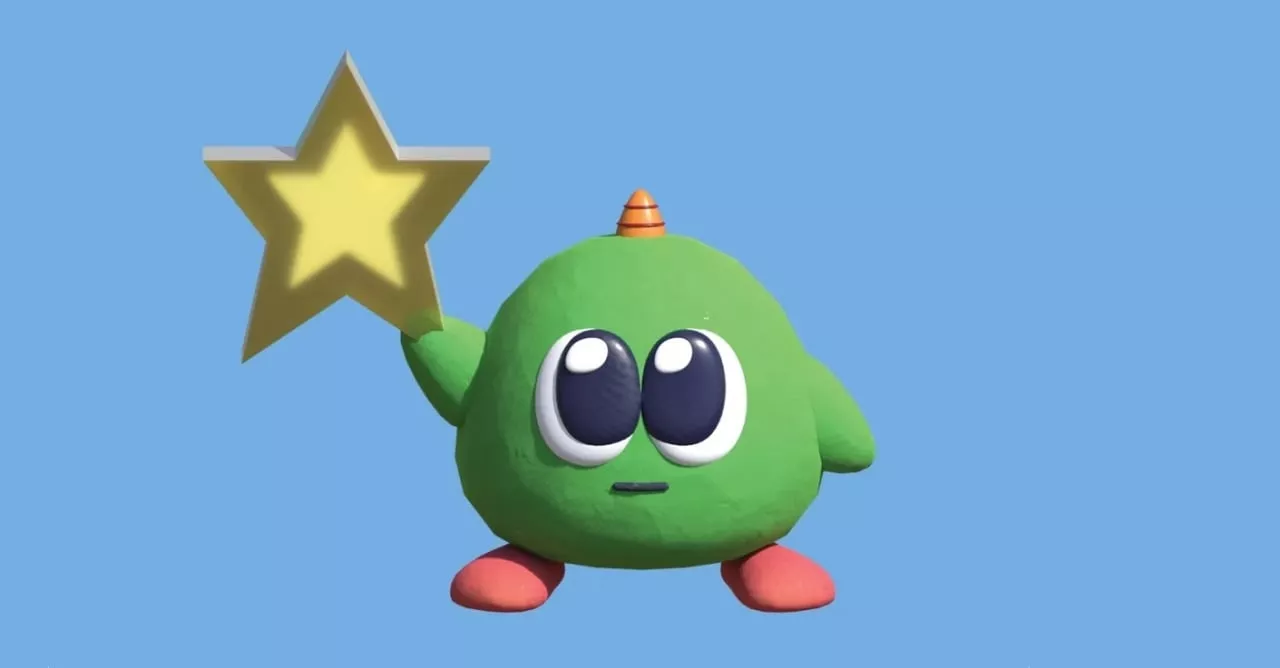
The development of Gimmick! spanned about three years, a lengthy period considering the fast-moving tech landscape of the time. The game was developed at a time when the gaming industry was transitioning to the Super Famicom, creating a challenging marketing situation for a new NES title. However, the game pressed on, incorporating unique gameplay elements such as gravity effects on character momentum and a special star ability for the protagonist, Yumetaro. The character design of Yumetaro was instantly iconic, envisioned by Sakai and refined by co-character designer and artist Hiroyuki Kagoya.
Despite the innovative gameplay, Gimmick! posed a substantial challenge to players unfamiliar with its physics-based mechanics, which were revolutionary at the time. This difficulty, however, did not translate to widespread commercial success initially, due in part to its limited release. The game was primarily distributed in Japan and Scandinavia and missed the broader international market, including the U.S., due to decisions made by Sunsoft’s management, who doubted the game's appeal in the Western market.
The legacy of Gimmick! is complex, marked by missed opportunities and market misjudgments, yet the game has endured as a beloved title among retro gaming enthusiasts. Sakai's vision for Gimmick! was singular and complete, making the notion of a sequel without his involvement feel inappropriate to him. The new additions to the Gimmick! series by Bitwave Games, although well-intentioned, were created without Sakai’s input, leading to mixed feelings from the original creator.
Tomomi Sakai's reflections on his career and the impact of Gimmick! highlight the unique challenges and triumphs of game design. His story is a reminder of the individual creativity and passion that drive the gaming industry forward. For fans of Gimmick! and retro gaming aficionados, his insights offer a valuable perspective on the art and complexity of creating games that resonate across decades.

You must be logged in to post a comment!
