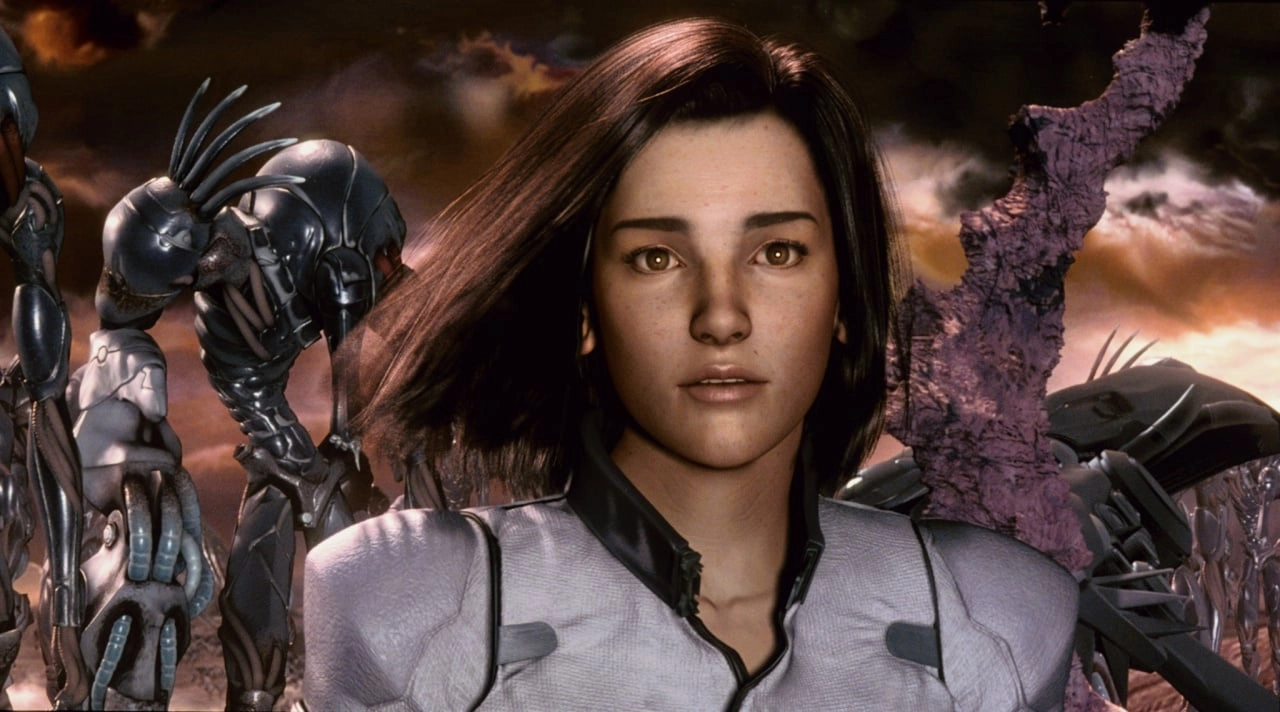
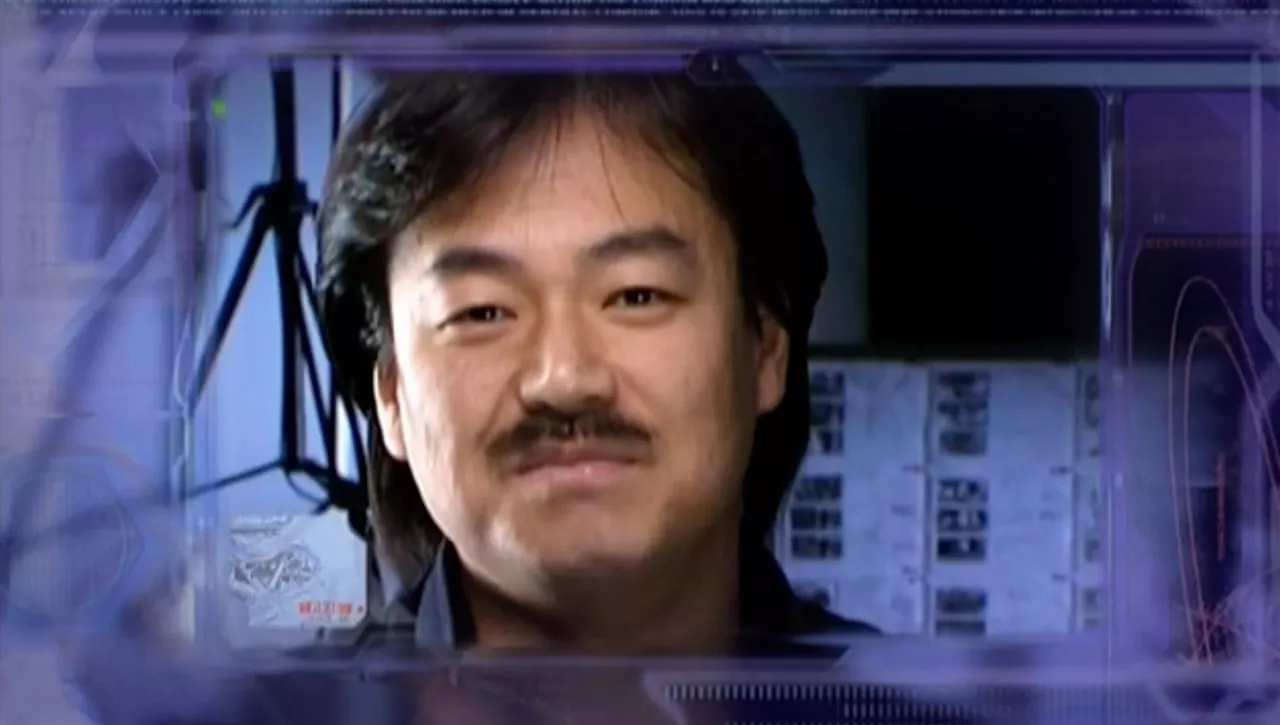
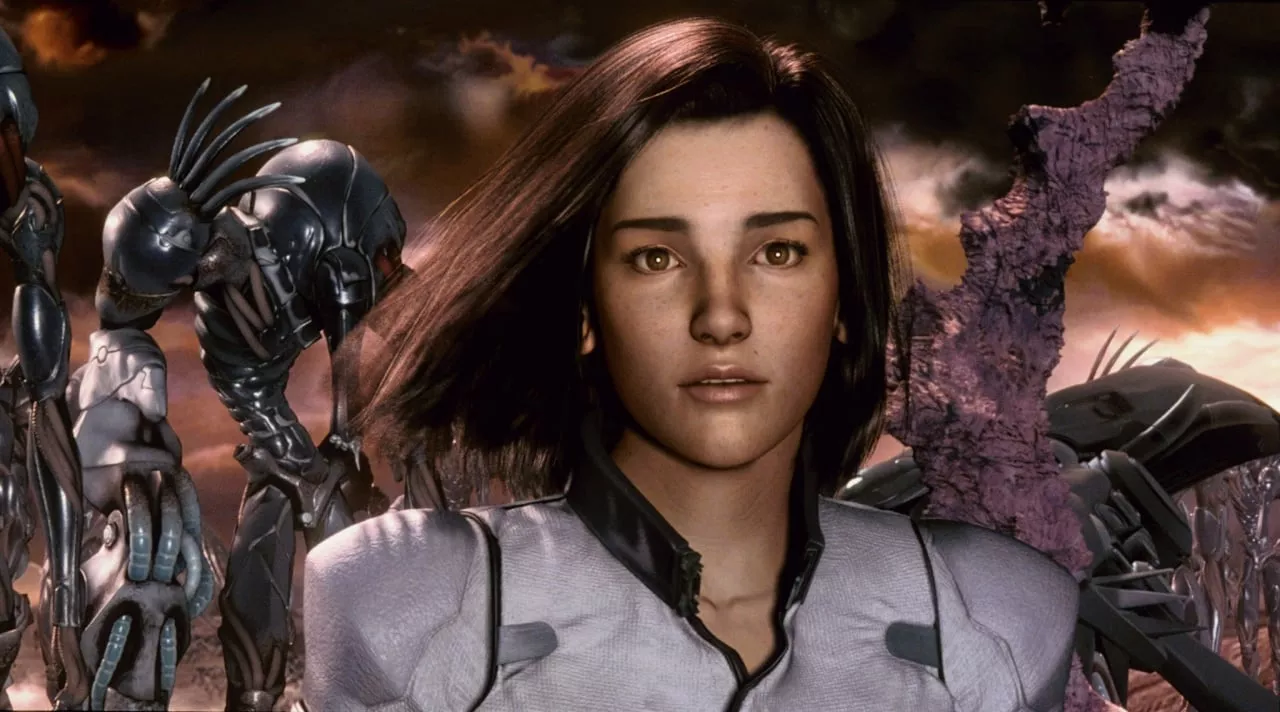
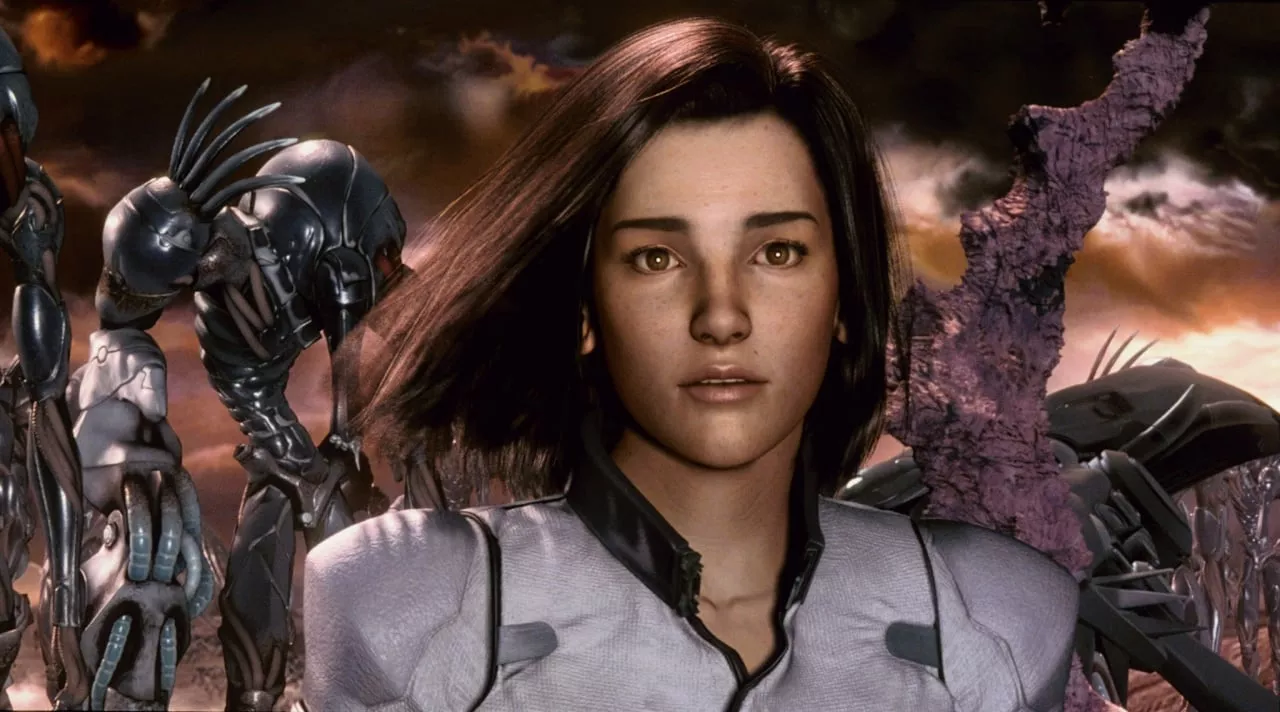
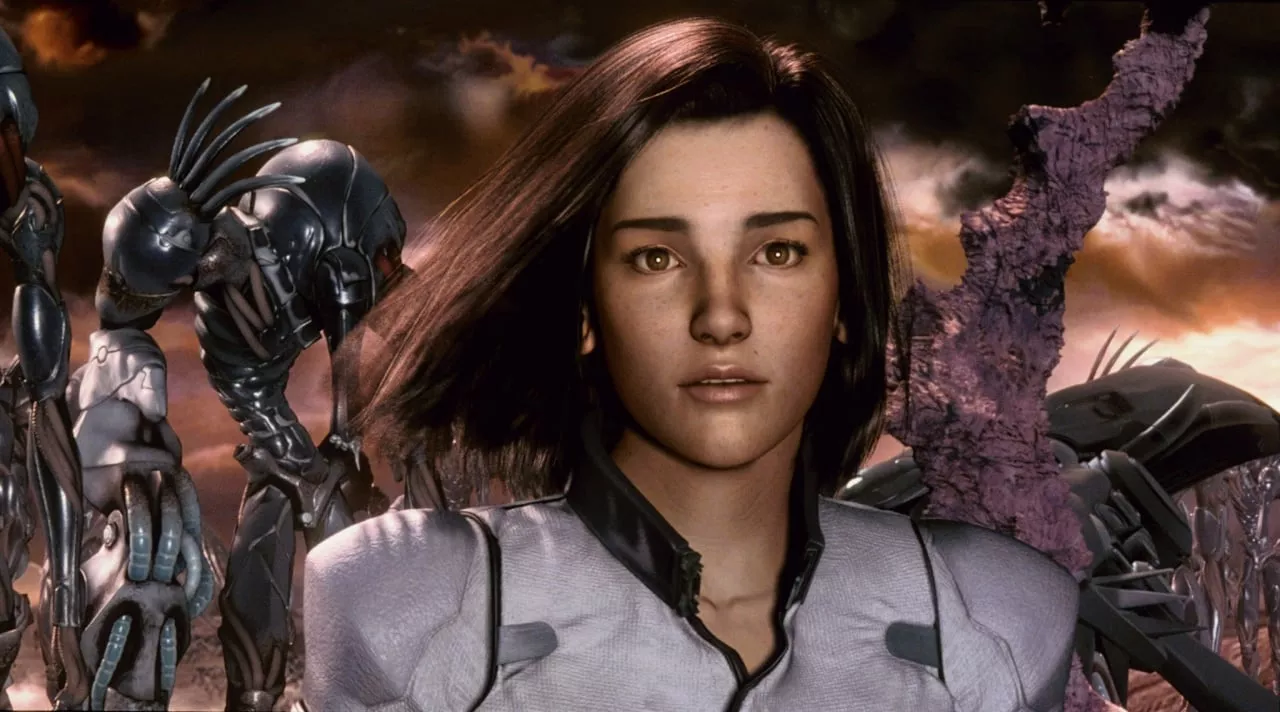
Final Fantasy: The Spirits Within stands out in cinematic history not just as a box office disappointment, but also as a pioneer in animation and filmmaking. Its use of motion-capture technology was groundbreaking. Producer Hironobu Sakaguchi embarked on this ambitious project following the death of his mother, drawing inspiration from several cultural and mythological sources to create a fictional "Gaia Theory." The result was a story about Aki, a woman bent on saving an alien-ravaged Earth by seeking spirits, ingrained with philosophies reflecting the cycle of life and the spirit.
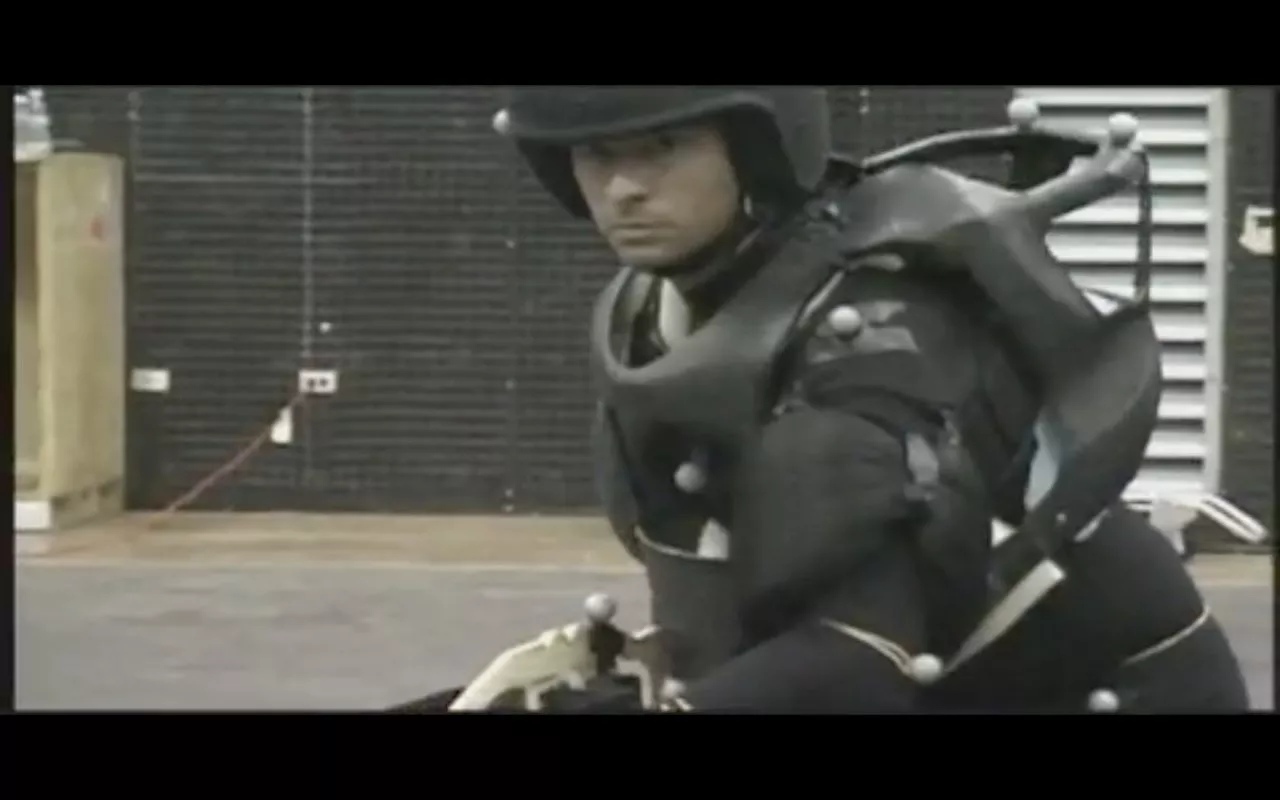
Sakaguchi's vision required a global team and a novel approach to movie-making. Thus, Square launched Square Pictures, their cinematic branch, and settled in Hawaii. There, they began the pioneering work of moulding computer-generated, photo-realistic humans, never before seen on screen. The innovative motion-capture director Remington Scott was brought on board to create effective pipelines for this fresh technology.
The journey was challenging. Scott joined a team making only incremental progress with traditional methods. His experience was invaluable; he implemented a new bio-mechanical solver that drastically reduced animation time. The resulting film production pipeline combined conceptual sketches, preliminary 3D animatics, and motion-capture footage, which went through multiple stages before reaching its finished state.
The Spirits Within emerged from a four-year production period, but with a budget that had nearly doubled its initial estimate. The sheer scale and labor intensiveness were historic: the film comprised over a thousand shots and required an estimated 120 person-years to complete.
However, despite technical achievements, the movie stumbled at the box office, earning a mere $11.4 million on opening weekend, overshadowed by popular titles of its time. Mixed reviews touched on both accolades for its technological marvels and critiques of its plot. Critics like Roger Ebert admired the ambition and potential for future cinema, whereas others found fault in story coherence and character development.
Failed marketing strategies further burdened the film's success. Columbia Pictures grappled with how to promote a film featuring no real actors to sell the story. Controversies arose across the industry, with prominent figures like Tom Hanks expressing concerns over the implications of virtual performances for actors.
In the wake of its commercial failure, Square Pictures ceased operations, impacting both Sakaguchi’s career and the studio's future. Despite the financial flop, the film's technical contributions would eventually find their due recognition, influencing countless subsequent productions seeking to emulate its pioneering digital techniques.
Sakaguchi himself eventually founded Mistwalker, where he continues to explore storytelling through games, the latest being Fantasian. The Spirit Within now serves as a fascinating case study: a testament to technological progress and the unpredictable nature of cinematic success. Its journey from an inspired vision to a box office bomb, notwithstanding the eventual validation of its innovative methods, reflects the intricate dance between artistic exploration and commercial viability in the film industry.

You must be logged in to post a comment!
