
The video game industry is filled with stories of success, innovation, and sometimes, notable failures. One such story is that of the game "Ride to Hell". Initially envisioned as an open-world motorcycle gang simulator brimming with promise, its development faced numerous challenges, resulting in a title that is often cited as one of the worst games ever released.
The genesis of Ride to Hell can be traced back to the mid-2000's when the video game landscape was fertile ground for open-world adventures. Inspired by the biker counterculture of the 1960s and the sense of unbridled freedom it represented, the original concept for Ride to Hell was ambitious. It aimed to transport players to the vast open roads of California and Nevada, promising a game world of 95 square kilometers mapped from real satellite terrain data.
The brainchild of executive producer Hannes Seifert and his team, Ride to Hell was poised to offer total freedom from the outset, a currency of respect instead of money, and a multitude of features such as dynamic weather, a deep bike customization system, and an interactive AI for other drivers. The team had even secured licenses for 300 songs from the era to create an authentic audio backdrop for players' adventures.
Development was progressing at a company called Games That Matter, later to be purchased and rebranded by Koch Media as Deep Silver. Tragically, despite years of labor and the accumulation of potentially hundreds of human years in developmental time, the original Ride to Hell never saw the light of day. This was due to multiple factors, such as strategic disagreements, changes in management, and ultimately the closure of Deep Silver Vienna—Seifert’s creative hub.
A remake with the subtitle "Retribution" emerged in 2013 from a different creative path and failed to capture the essence and promise of its predecessor. The pseudo-remake, attributed to Eutechnyx and several subcontractors, ended up being a title that looked nothing like the original vision. The team leading the creative direction of the initial project was gone, and almost everything—from the game engine and art assets to the fundamental mechanics—was scrapped and hastily rebuilt.
Seifert, reflecting on the process and the remake's struggles, recalls the heartbreak of watching his 'baby' taken in an entirely different direction. Eutechnyx was left to complete both creative and technical sides of a project midstream, forgoing the original engine in favor of Unreal 3—a move that baffled those who understood the original vision.
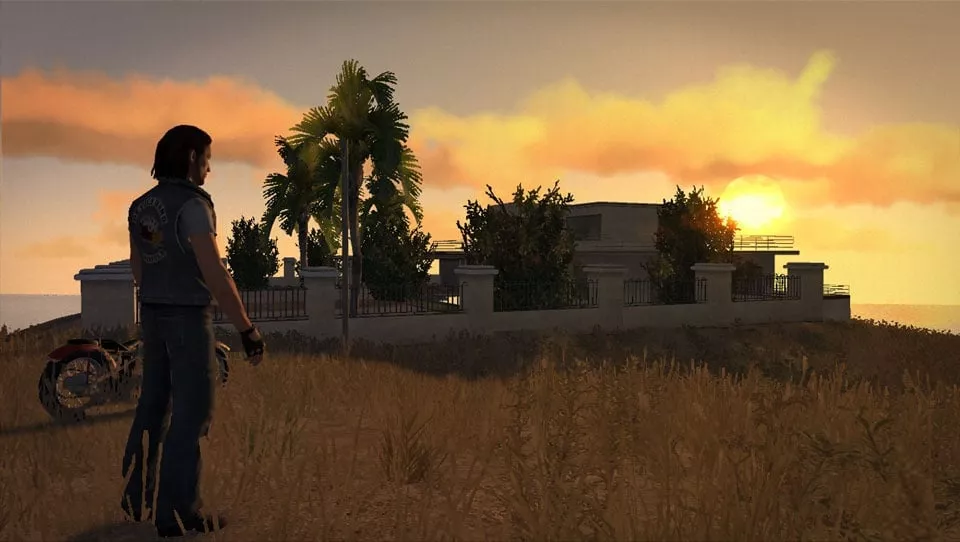
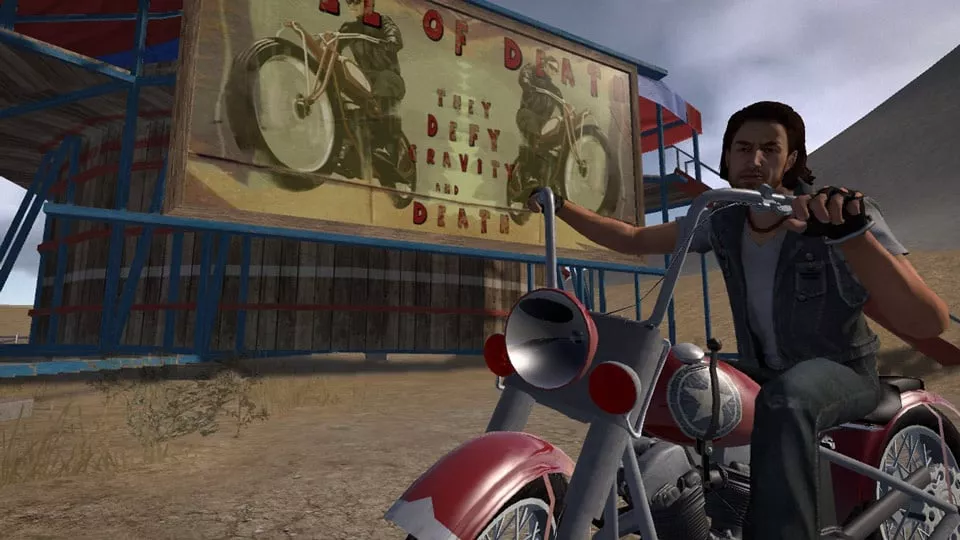
In a conversation about the original game's development, Seifert shared details on the incomplete version that could have been. He described a large, interactive world where missions were being populated, weather systems were integrated, and custom motorcycles were a central feature. Players could have enjoyed a vast landscape based on satellite data, a bike editor for in-depth customization, and a photo mode designed to capture snapshots comparable to Polaroids of the era. It was a game rooted in an authentic retro feel with potential for a genuine community of players.
However, none of this would come to pass. Instead, what was released in 2013 under the name Ride to Hell: Retribution was a far cry from what could have been an open-world epic. It became well-known not for its innovation or recreation of the freedom-loving biker spirit, but for its poor execution, technical issues, and overall lack of cohesion.
Despite the disappointment, Seifert remains philosophical. In his view, the industry moves in cycles; a good idea can always return when the time is right. He advises developers not to lose heart when facing setbacks; the passion for creating something new, whether it's an open-world biker game or another project, is what drives innovation in the gaming industry. While the Ride to Hell that once held so much potential never came to fruition, its development remains a compelling chapter in the annals of gaming history—a cautionary yet intriguing tale of ambition, creativity, and the tumultuous nature of game development.






You must be logged in to post a comment!
