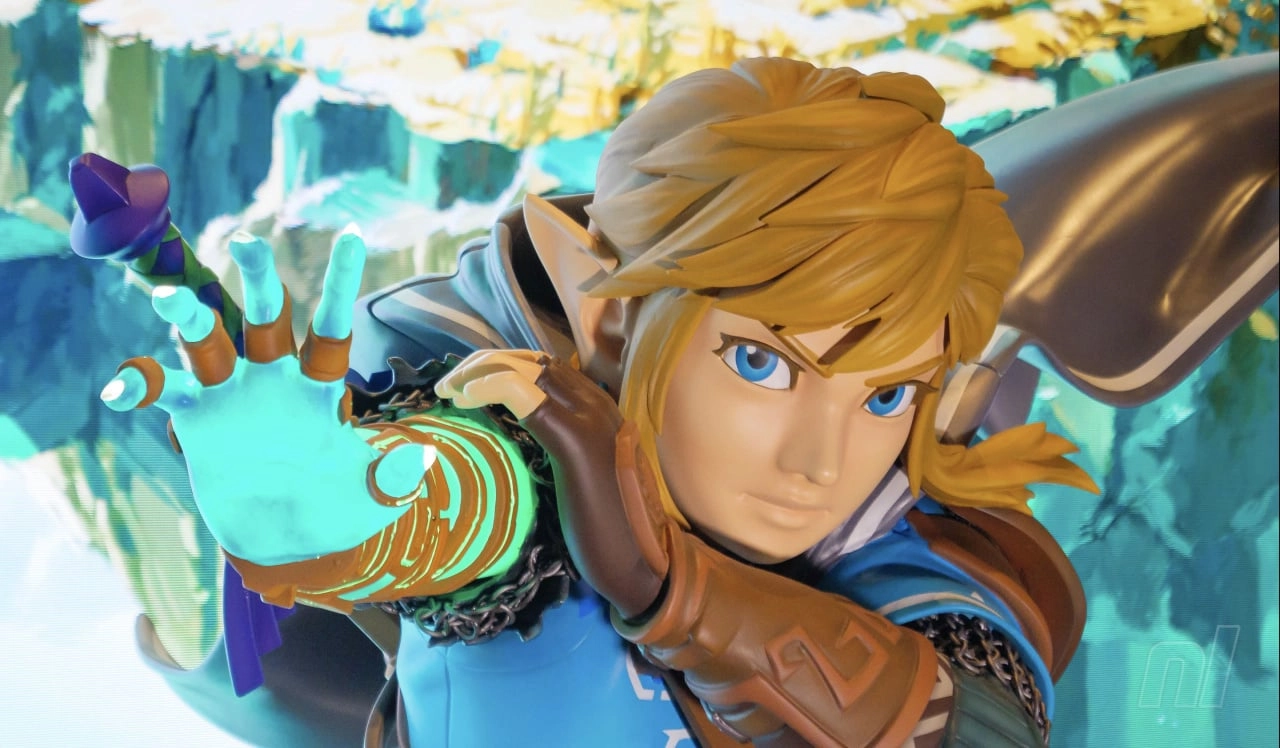
The world of gaming is no stranger to innovation, and the latest installment of the beloved The Legend of Zelda series, Tears of the Kingdom, is no exception. The integration of a new gameplay mechanic known as the Ultrahand has undoubtedly captivated players, vastly altering their interaction with the expansive realm of Hyrule. However, introducing this game-changing feature into Nintendo's esteemed franchise was anything but straightforward.
During its development, Nintendo faced numerous obstacles in embedding the Ultrahand into the fabric of the game. The transformative mechanic, which enables players to extend their reach across the landscape, was introduced to enhance exploration and problem-solving within the game, promising to revamp the traditional Zelda gameplay. Nonetheless, this ambitious addition initially seemed insurmountable to the developers, as many challenges presented themselves.
Senior Director Takuhiro Dohta, Sound Programmer Junya Osada, and Physics Programmer Takahiro Takayama provided insights at a Game Developers Conference panel, illustrating the complexities they encountered. At first glance, the Ultrahand's prototype signaled both excitement and a daunting path ahead – so daunting that it prompted an internal pause, with Takayama himself contemplating the feasibility of such an intricate endeavor.
The development team, undeterred by the difficulties, set out to troubleshoot and finetune the mechanic. Throughout this process, they observed that non-physics-based items would malfunction, resulting in unexpected and oftentimes humorous scenarios, such as airborne carts and horses—glitches that could spell disaster for the immersive experience they aimed to provide. The solution seemed counterintuitive but effective: apply physics to virtually everything within the game world. Transitioning assets such as gates, which were static in the predecessor Breath of the Wild, into dynamic, physics-based objects enabled the Ultrahand to interact with them cohesively.
However, creating this mechanic wasn't merely about fun for fun's sake. Dohta emphasized the team's intention to build a spontaneous system—one capable of generating fun through the creative and ingenious constructs devised by players. True to their vision, gamers have eagerly embraced the Ultrahand, concocting outlandish contraptions and engaging with Hyrule in ways previously unimagined, creating a living testament to the developers' ambitions.
The addition of the Ultrahand has not only impacted how players traverse Hyrule's terrain but has influenced the strategic approach to puzzles and combat encounters throughout the game. It has sparked conversations and content creation within the gaming community, as enthusiasts share their unique exploits and discoveries.
The adoption of the Ultrahand reflects a broader trend in game development: the push for immersive and interactive systems that offer players more freedom and tools to shape their adventures. For a franchise as storied as Zelda, it was a bold move—veering from the conventional to embrace the unknown, even if it meant additional years of meticulous work and iteration.
Further cementing its impact, the Ultrahand mechanic has been met with critical acclaim, contributing to the accolades and awards The Legend of Zelda: Tears of the Kingdom has garnered. Though the effort to integrate this feature was laborious, it was ultimately a triumph of development, enriching the gaming experience and setting a new bar for the series.
The boldness to revolutionize a franchise with a feature as radical as the Ultrahand demonstrates Nintendo's unwavering commitment to innovation. As players and critics alike reflect on their experiences with Tears of the Kingdom, the consensus is clear: the Ultrahand has left an indelible mark on the series. Whether this tool will make appearances in future Zelda games remains to be seen, but its legacy will continue to influence the design and mechanics of interactive storytelling for years to come.
The tale of the Ultrahand's integration into The Legend of Zelda: Tears of the Kingdom is a testament to Nintendo's dedication to pushing boundaries and redefining what it means to adventure in the world of Hyrule. It showcases the artistic and technical prowess that lies at the heart of game development, thrusting players into a venerable story where their actions and imagination become the lifeblood of the experience. As Hyrule continues to evolve, so does the ingenuity of those who bring it to life, ensuring that each visit to this iconic kingdom is as enchanting and revolutionary as the last.

You must be logged in to post a comment!
