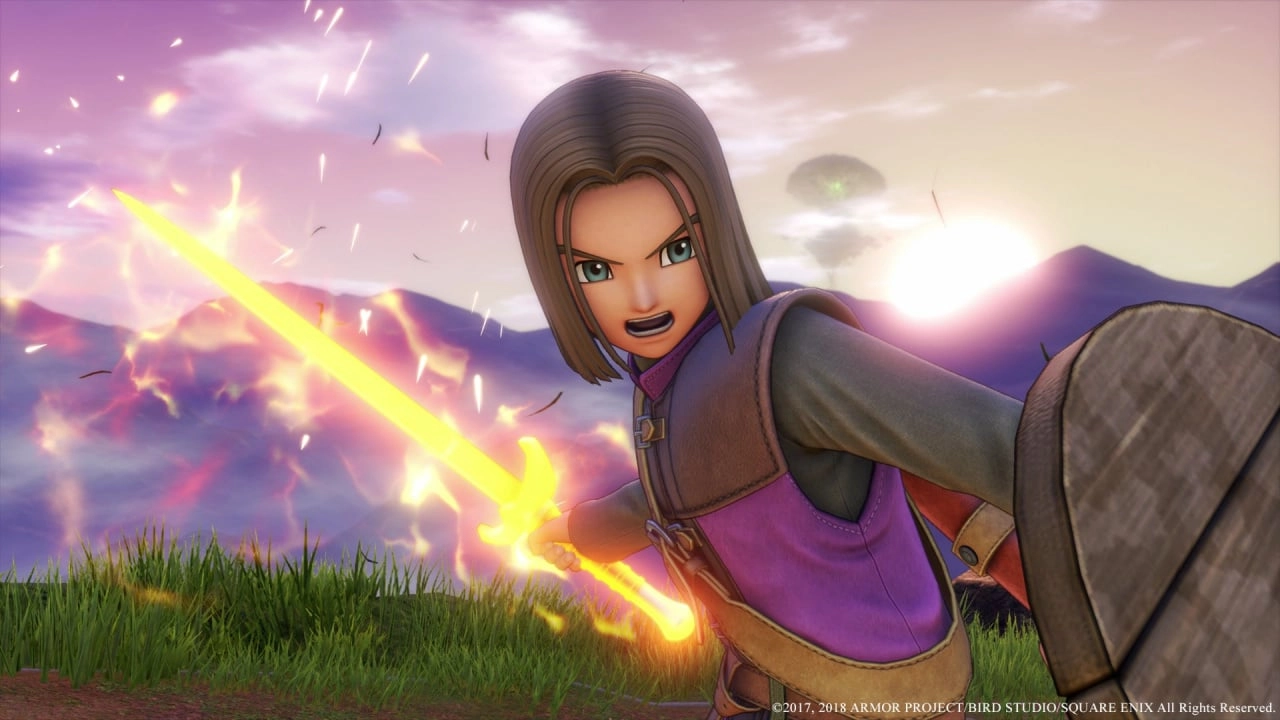
In the realm of role-playing games (RPGs), the concept of the silent protagonist has been a staple for many years. Traditionally, these are lead characters who do not speak or express themselves through voiced dialogue, instead, the player projects their thoughts and feelings onto them through gameplay decisions and dialogue options. This approach has been particularly prominent in series like Dragon Quest, created by Yuji Horii. However, as video game graphics become increasingly lifelike, the relevance and execution of silent protagonists are being questioned.
Yuji Horii, during a discussion with Katsura Hashino, the director of the Persona series, shared insights on this evolving challenge in an interaction documented by Denfaminicogamer and translated by Automaton Media. Horii pointed out that as graphics improve, maintaining a silent protagonist in video games becomes more difficult. The expressiveness that current technology affords characters can render silent protagonists somewhat out of place, or as Horii humorously remarked, they could end up looking "like an idiot" if they do not react appropriately in a visually detailed and dynamic environment.
The silent protagonist technique traditionally servers several purposes. Historically, limitations in technology during the era of 8-bit and 16-bit consoles meant that developers couldn't create highly expressive or complex character animations and models. This necessitated players using their imagination to fill in the blanks, adding emotional depth and personal background to these characters in their minds. Dragon Quest, for instance, leveraged this to great effect, allowing players to deeply connect with the game's journey as a personalized experience.
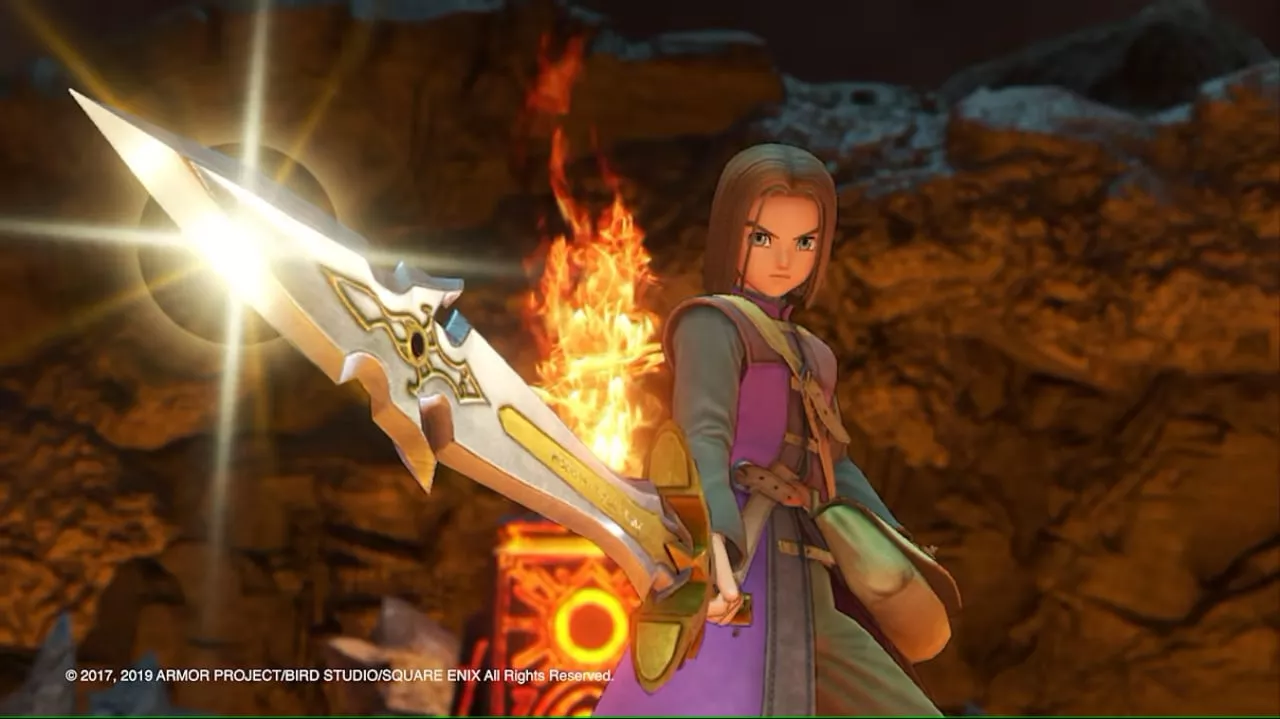
However, modern games showcase highly detailed character expressions and environments, allowing for a more directed narrative and character development that can conflict with the blank slate style of silent protagonists. In games like DragonQuest XI, while the main character, the Luminary, was mostly silent, retaining the series’ traditional gameplay element, the increased realism and expressiveness of other characters and the world itself makes the silence more noticeable and, arguably, less effective.
The shift toward more vocal and expressive protagonists can be seen in other RPGs as well. Persona series, another beloved RPG franchise, has moved away from completely silent protagonists. Since Persona 3, protagonists have had voiced lines in battle and some cutscenes, reflecting a change in how players engage with the game’s story and characters.
Despite these challenges, Horii remains committed to the silent protagonist model, emphasizing the unique engagement it encourages among players. They are asked to interpret and decide how their character would feel or react, thus creating a personal connection to the game’s events. This method continues to be crucial in Dragon Quest games, including the upcoming Dragon Quest XII and the Dragon Quest III HD-2D remake. Both are highly anticipated by fans who appreciate this traditional gameplay mechanic.
The evolution of silent protagonists in RPGs is not just about technology but also about changing player expectations and narrative techniques in video gaming. As players experience more lifelike and interactive game worlds, the demands for characters who can express themselves in complex ways increase. This evolution poses a creative challenge: balancing technological prowess and narrative depth with player agency and traditional gameplay mechanics.
As the video game industry continues to advance, game developers like Yuji Horii are faced with decisions about how to adapt their beloved formulas to fit new capabilities and expectations while still preserving the core of what has made their games special for so many years. This ongoing dialogue between tradition and innovation remains a critical aspect of game development, ensuring that even as games change, they continue to engage and resonate with players around the world.

You must be logged in to post a comment!
