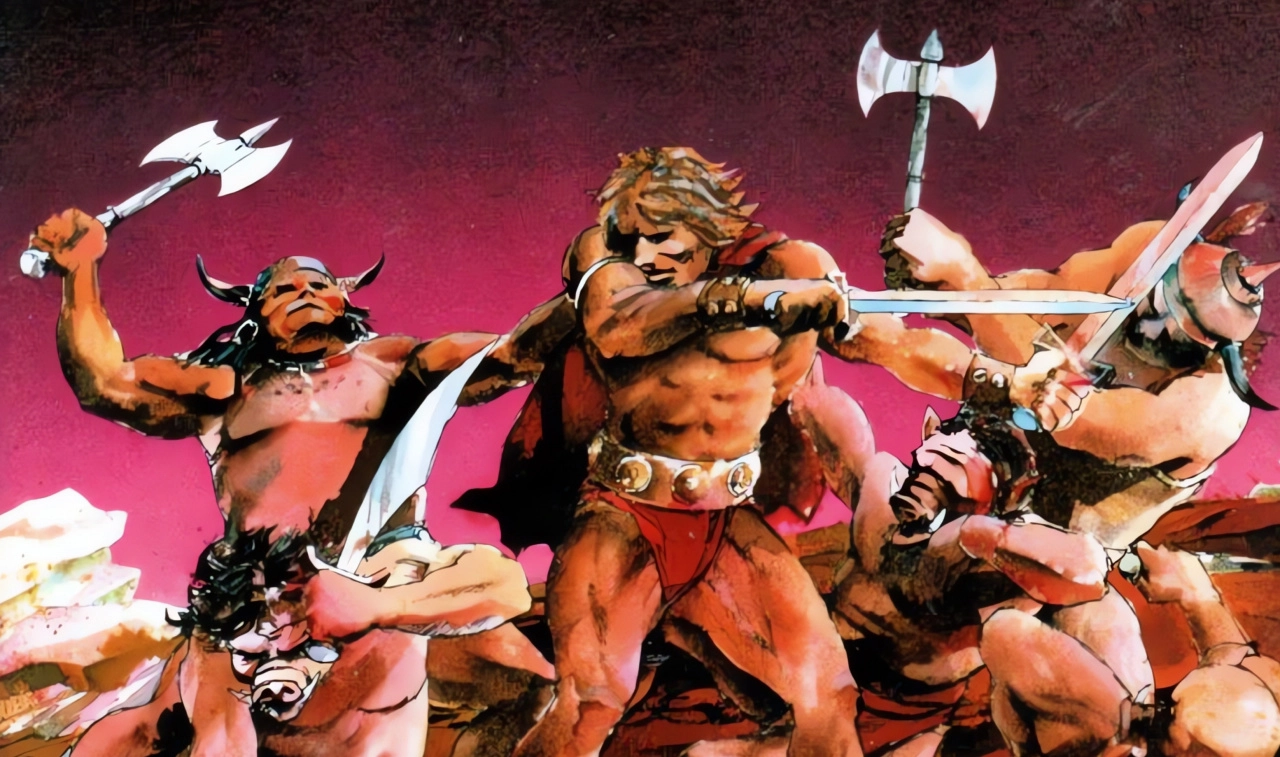
The year was 1983 in Japan, and role-playing games (RPGs) were barely a footnote in the gaming industry, seen as a uniquely American pastime. That is, until Henk Rogers, a Dutch entrepreneur, envisioned something remarkable. Henk Rogers might be a name familiar to some as the man responsible for acquiring the handheld rights to Tetris, but his impact on the gaming world doesn't stop there. Before his Tetris success, Rogers had set his sights on something less abstract but equally transformative: introducing RPGs to Japan.
Rogers' journey began in his college years at the University of Hawaii, where he and his friends were enamored with Dungeons & Dragons. This newfound passion would follow him across the ocean to Japan, where Rogers pursued a love interest and worked with his father in the gem trade. Yet his urge to delve into dungeons and slay dragons lingered, leaving a D&D-shaped void in his life.
Determined to fill that void, Rogers embarked on an audacious venture: he would create Japan's first computer RPG. Ignoring his lack of experience in game development, Rogers pitched his vision to a local publisher. With his sheer will and a 50/50 deal, he acquired an NEC-8801 computer to bring his idea to life.
Day and night, Rogers toiled on his game, The Black Onyx, learning to code as he went. The game took shape, simplified to fit the technological limitations of the time, yet still embodying the essence of a fantasy RPG. Rogers adopted a novel approach to making the game relatable, focusing on a singular warrior class and visual indicators for equipment – all within a mere 64k of memory.
As with many entrepreneurial stories, Rogers' path wasn't all gemstones and victories. The initial deal with the publisher soured; they backed out of their agreement, leaving Rogers with a daunting debt. This obstacle turned into an opportunity when his demonstration of the game prototype attracted a $50,000 investment from a friend in the gem business. With new funds in hand, Rogers charged towards his Christmas deadline with vim and vigor.
The initial reception was cold; The Black Onyx was met with confusion. To drum up interest, Rogers engaged directly with magazine editors, giving them a first-hand experience in character creation and gameplay. This approach turned the tide. By April of that year, the game received extensive coverage and Japan’s interest in RPGs ignited. That year, The Black Onyx became the country's best-selling computer game.
What's striking about Rogers' story is the strategic creativity he deployed. He established a premium price for the game, signaling its quality and offering better margins for retailers. He innovatively packaged the game in a plastic case, elevating its perceived value. Rogers understood the importance of presentation and how it could directly influence consumer behavior and retailer support.
But Rogers' most cunning marketing move was the creation of a real-world quest. Offering a genuine black onyx gem to the first hundred players who completed The Black Onyx with a perfect karma score was a stroke of genius. This not only built intrigue but also introduced an entirely new layer of gameplay – the meta-challenge.
The Black Onyx's success is more than just a win for Rogers. It effectively opened the floodgates for RPGs in Japan. While Dragon Quest and Final Fantasy would soon dominate the scene, their foundations were laid by the improbable success of The Black Onyx. Rogers' game may not have maintained its reign, but it irrevocably altered Japan's gaming landscape, setting a precedent and demonstrating the enormous potential of RPGs.
The Black Onyx was not just a game; it was a cultural turning point. Through it, Japanese gamers discovered the joy of role-playing, and this passion has since grown into iconic franchises adored worldwide. Looking back, it's heartening to see how one person's determination and creativity could spark a revolution in entertainment, proving that sometimes it’s the quests we embark on with naivety and courage that leave an indelible mark on history. Henk Rogers might have seized the public eye for bringing Tetris out of the Soviet Union, but his true legacy lies in the dungeons of The Black Onyx, where Japan’s love for RPGs was born.

You must be logged in to post a comment!
