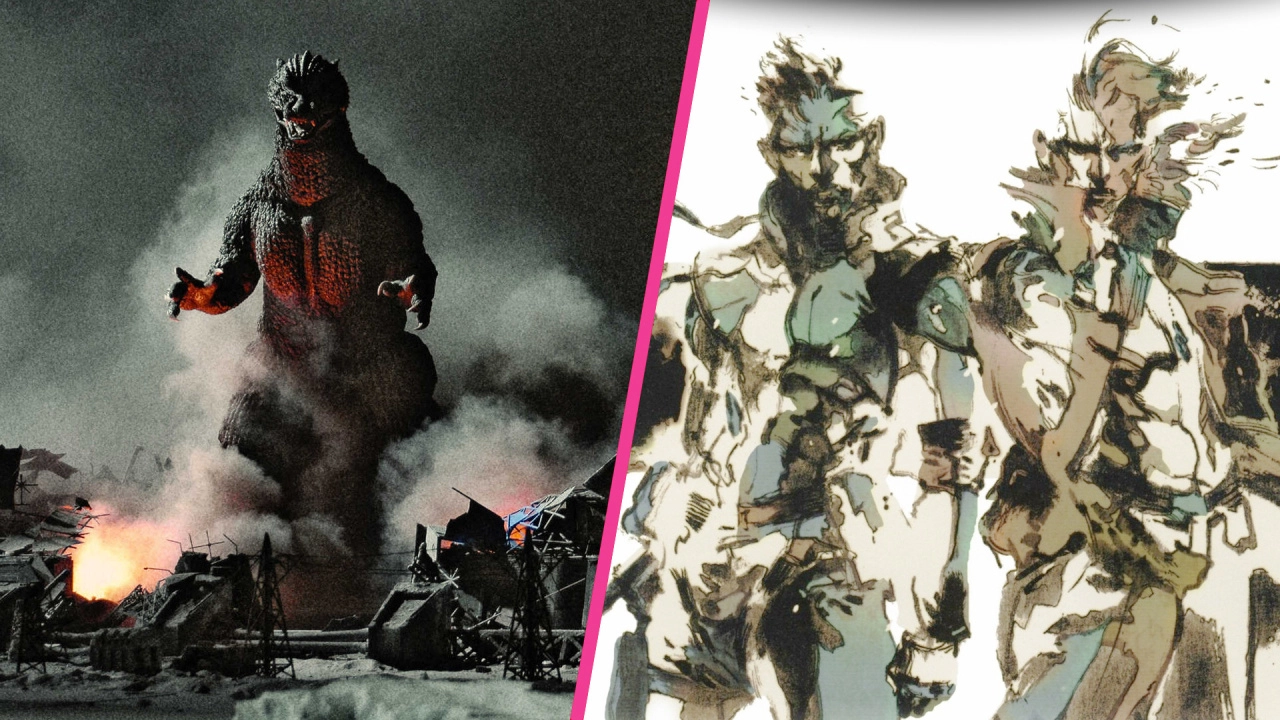
In 2004, a film combination of two major Japanese pop culture icons almost took place—a Mecha Godzilla designed by the famed artist behind the Metal Gear Solid series, Yoji Shinkawa. This intriguing concept was revealed in an interview with Ryuhei Kitamura, the director responsible for commissioning Shinkawa's talents. Kitamura has a rich history in both the film industry, known for movies like Versus and The Midnight Meat Train, and ties to the video game world through his directorial work on cutscenes in Metal Gear Solid: The Twin Snakes.
During a conversation with Kaiju United, Kitamura divulged how his association with the gaming titan Hideo Kojima nearly led to a crossover in creativity. Having been impressed by Shinkawa's exquisite skill as a mechanical designer during their collaborative work on The Twin Snakes, Kitamura approached Kojima with a unique request. He sought to borrow Shinkawa's genius for his own masterpiece, the 20th-year celebratory Godzilla film "Godzilla: Final Wars."
In his discussion, Kitamura highlighted the influences Metal Gear Solid had on Final Wars, noting the simultaneous timing of the projects. Shinkawa joined the movie's creative team and contributed his distinctive design style to elements such as the costumes of the Earth Defense Force, the Mutant Squad, and the design of the battleship Gotengo. It was apparent that the Metal Gear Solid series had a significant impact on the stylistic choices found within the film.
Yet there was one design opportunity that remained untapped—the iconic Mecha Godzilla. Imaginations can only wonder at the creative possibilities that could have been unleashed had Shinkawa been given the reins to redesign this mechanical titan. Kitamura shared that, if not for previous films featuring Mecha Godzilla, he would have brought the character back into the spotlight, potentially reimagined through Shinkawa's creative vision.
Despite his willingness and intrigue, Kitamura expressed a reluctance to proceed with this idea. His hesitation stemmed from a deep respect for the existing portrayals and contributions of Mecha Godzilla within the franchise. He wanted to honor earlier iterations of the character and the artists who had shaped its legacy.
While this collaboration between a Godzilla film and a video game artist remained unfulfilled, the cultural crossover between the two entertainment mediums still manifested in other ways within "Godzilla: Final Wars." While the film had a polarized reception, it stands as a landmark in Godzilla's rich cinematic history, marking the end of an era before the franchise would experience a reboot with "Shin Godzilla" in 2016, followed by a Hollywood adaptation by Gareth Edwards in 2014.
The notion of what could have been, had Shinkawa lent his artistry to Mecha Godzilla, continues to intrigue and excite fans of both the Godzilla franchise and the Metal Gear Solid games. It's a testament to the influence and interconnectivity of art forms, and how creators draw inspiration from each other's work. This behind-the-scenes tale not only adds a layer of depth to the film's production history but also serves as an example of the collaborative spirit that often drives innovation in creative industries.
As years go by, and the lines between video games and films continue to blur, the potential for exciting collaborations and crossover scenarios like the one between Kitamura and Shinkawa is likely to grow. While audiences did not get to witness Shinkawa's Mecha Godzilla come to life, the conversation around it underscores the dynamic potential that exists when visionary talents from different creative worlds come together.

You must be logged in to post a comment!
