
Handheld gaming consoles have carved a unique space in the hearts of gamers. These gadgets transcend merely being portable distractions; they represent an intimate part of our lives, symbolizing nostalgia, cutting-edge technology, and the joy of gaming on the move. Today, devices like the Steam Deck lead the charge, pairing immense processing power with the convenience of mobility. Some devoted players even favor handhelds as their sole gaming platform, indicating their resounding impact. The remarkable history of handheld consoles led to a vote among gaming fans, aiming to rank these beloved systems.
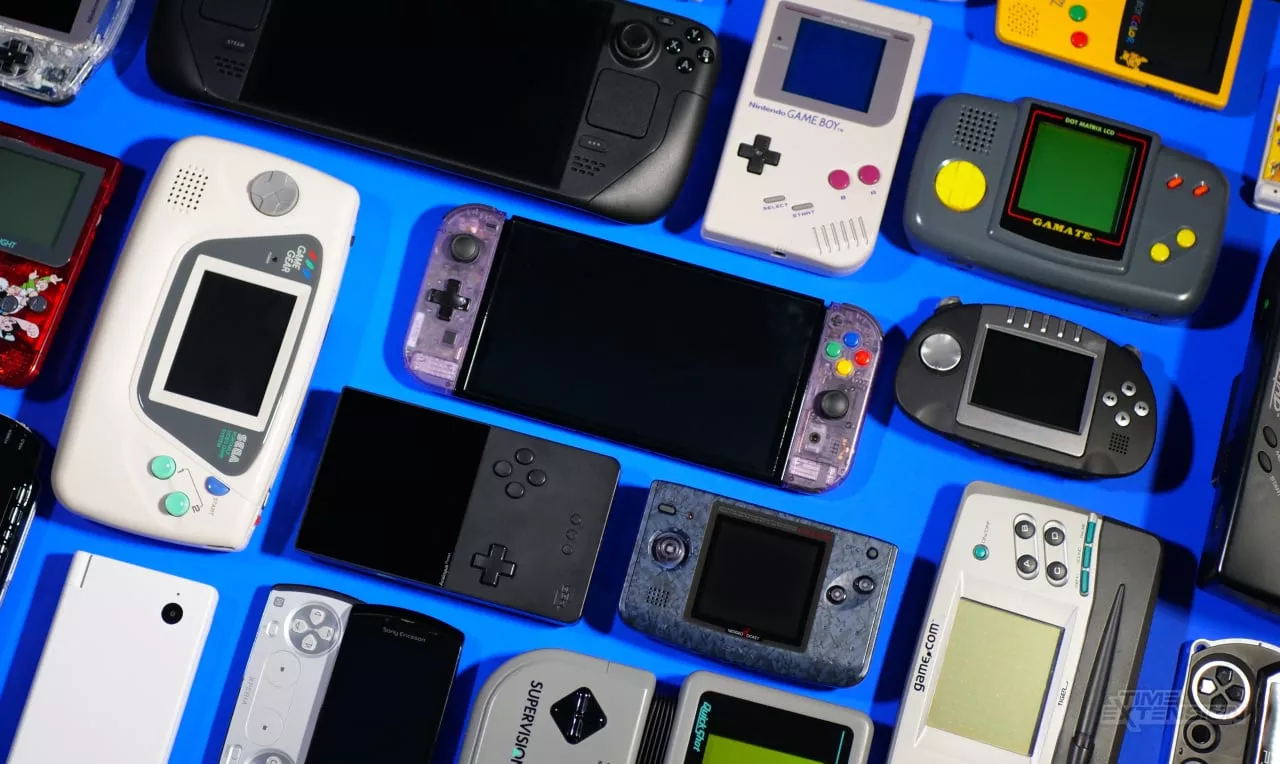
Back in 1990, amidst the Game Boy's reign, the Bit Corp Gamate emerged from Taiwan, attempting to make its mark with around 70 titles before fading into relative obscurity. The Watara Supervision, with its distinctive tilting screen and TV connectivity, similarly sought Game Boy's throne but fell short due to an inferior screen and a limited library. Meanwhile, the 2005 Gizmondo fascinated with features like GPS and mobile data at a time when such technologies were rare in handhelds, but its sticky rubber casing and a sales figure of less than 25,000 units spoke volumes of its failure.
On the other end of the spectrum, Tiger Electronics tried with the Game.com, which boasted internet access and a touch screen – a first for handheld consoles – but it suffered from a subpar display and weak game lineup. The Sega Nomad, although capable of running Sega Genesis titles, was critically hampered by its cumbersome size and poor battery life.
Conversely, Blaze's Evercade succeeded against odds with its physical cartridge system, offering a retro experience in a progressively digital age. The quirky Playdate, with its unique crank controller, also earns its place by building on the legacy introduced by the vintage Game Boy.
Delving into the niche market, the WonderSwan brought compact dimensions and robust support from heavyweight publishers, but it failed to contest the Game Boy's dominance in Japan. Similarly, the premium-tech Atari Lynx couldn't sway consumers away from Nintendo's simpler yet charismatic Game Boy.
NEC's TurboExpress featured the impressive capability to play home PC Engine games, but like its contemporaries, it was plagued by inefficient power consumption. SNK’s Neo Geo Pocket Color, despite superior power and top-tier games, couldn’t find stable footing in a market dominated by Nintendo’s offerings.
The Analogue Pocket represents the pinnacle of modern hardware, replicating classic systems with FPGA technology and supporting an array of retro game cartridges. Sega’s Game Gear, despite not overtaking the Game Boy, takes its place as the more successful non-Nintendo handheld of its time. And although Sony's attempts with the PSP and PS Vita didn’t surpass Nintendo’s devices in sales, they fostered dedicated followings thanks to their powerful hardware and expansive libraries.
Valve's Steam Deck enters the fray as a modern powerhouse capable of playing PC-caliber games on-the-go. The Nintendo DS, a torchbearer of the touch-screen revolution, became the face of portable gaming innovation, and its dual-screen experience lives on through the Nintendo 3DS.
The Game Boy Advance, released in 2001, marked a significant evolution in handheld gaming with its 32-bit ARM processor allowing for truly mobile gaming which compared favorably to home console experiences. Despite being dethroned sales-wise by its predecessors, the Game Boy and Game Boy Color, the Game Boy Advance left a lasting legacy with its extensive game library and hardware iterations like the GBA SP and the Game Boy Micro.
Finally, the reigning champion, the Nintendo Switch, successively merges handheld and console gaming into a seamless hybrid experience that’s quickly becoming a fixture in gaming culture. With its ever-expanding library and versatile play modes, the creators of the acclaimed Game Boy have once again shifted the paradigms of gaming.
As the community reflects on the impressive array of handheld consoles, enthusiastic gamers can find solace in knowing that regardless of how technology shifts, handheld gaming systems will always offer a uniquely personal and portable way to enjoy their favorite digital pastimes.

You must be logged in to post a comment!
