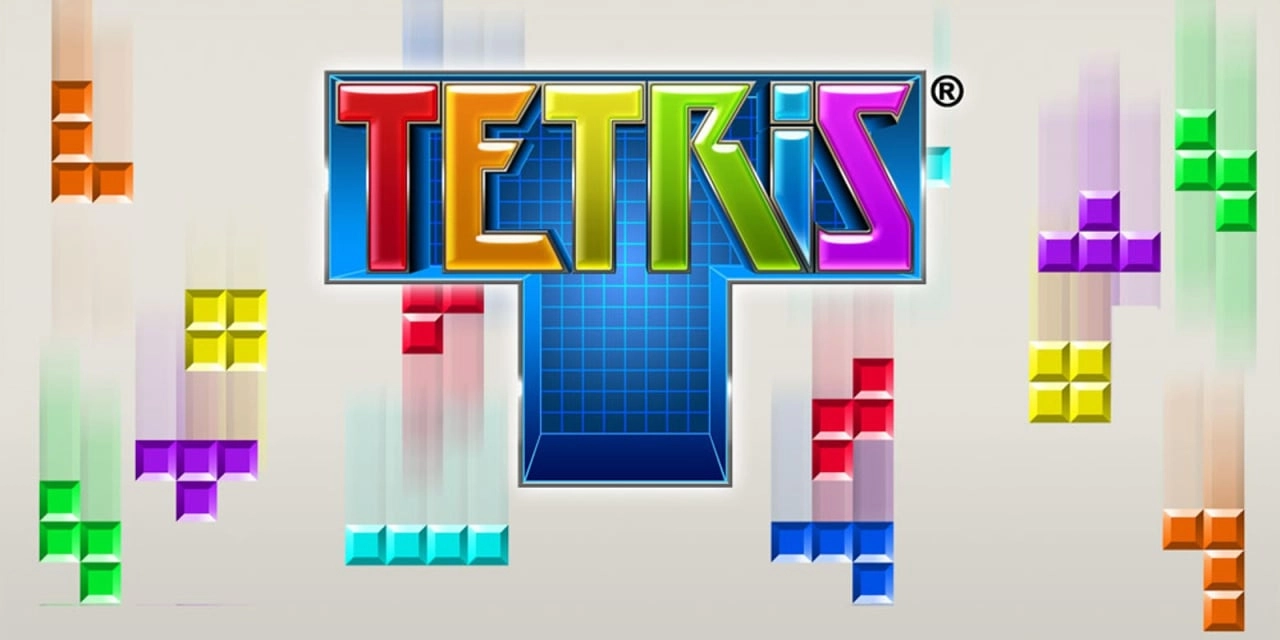
The world of video games has been graced by some of the most memorable pieces of art, whether on the cover of a game box or within the game itself. Among those pieces, the Tetris logo stands prominent, a symbol recognized across generations. Alexey Pajitnov, the mastermind behind Tetris, and Henk Rogers, Tetris Company co-founder, have long been associated with both the development and proliferation of this cultural phenomenon. Their recent conversation with Roger Dean, the acclaimed artist responsible for that very logo—and numerous others—has sparked both nostalgia and reflection on the impact of their work.
Roger Dean, a name synonymous with fantastical landscape art that has adorned album covers and video game boxes alike, has a remarkable legacy in the art world. With over 150 million copies of his artwork having been circulated globally, Dean’s artistic vision extends well beyond mere commercial success. His work not only defined the visual identity of game publisher Psygnosis with the legendary 'owl' logo but also graced the covers of iconic games like Shadow of the Beast, Barbarian, and Brataccas.
Now in his late '70s, Dean continues to be a creative force and has maintained a professional relationship with Henk Rogers for years. It was this very relationship that impelled him to design the cover for Rogers' influential RPG, The Black Onyx. The recent conversation between Pajitnov, Rogers, and Dean wasn’t just a walk down memory lane, but also an exploration of their current thoughts on how their collaborative efforts have been depicted in popular media.
One of the focal points of this exchange was the recent Hollywood movie inspired by the complex legal battles over the rights to Tetris. Made for Apple TV, this movie took what the trio considers significant liberties with the true story. In Rogers’ own words, the film uses 'poetic licence' quite freely, adding elements such as car chases that never occurred in real life. While he asserts that the true events were more compelling than their cinematic adaptation, Rogers also recognizes the inherent nature of such adaptations—to dramatize for entertainment’s sake.
The discussion also emphasizes the importance of creative authenticity. When looking at the logo and branding Dean created for Tetris, it’s a testament to how a simple, yet powerful design can become timeless. The Tetris logo is simple, with its letterforms mimicking the interlocking shapes of the game’s pieces, but it encapsulates the entire essence of the game.
The appreciation for Dean's work spills over from Rogers as he talks candidly about the creative process behind adapting real-life events into film. There's an understanding and perhaps resignation that 'the real thing is always more beautiful than the picture' but also a recognition of the value of storytelling—even when it diverges from historical accuracy.
In the broader context, the conversation among these three figures is a reflection on the evolution of video game history and how it intersects with commercial art. Dean's contributions to the visual identity of video games mark a pivotal point in the industry—where the cover art of a game was as much a reason to pick up the box as the gameplay contained within.
The legacy of Tetris extends well beyond its logo and the legal battles that surrounded its place in the gaming market. The game itself has become a cornerstone of video gaming culture, influencing countless developers and being ported, reimagined, and celebrated on virtually every gaming platform in existence. Its simplistic, yet addictive gameplay continues to engage new players, transcending barriers of age, language, and culture.
The sitting down of Pajitnov and Rogers with Dean is an example of how the untold stories behind the scenes in the video game industry are as compelling as the stories told within the games themselves. It sheds light on the individuals whose creativity has defined large swathes of the culture, and whose work continues to influence new generations. They remind us that behind every game—an object of interactive art—there is a tapestry of human experiences, creativity, relationships, and sometimes, Hollywood interpretations that further enrich the lore we come to love and share.

You must be logged in to post a comment!
