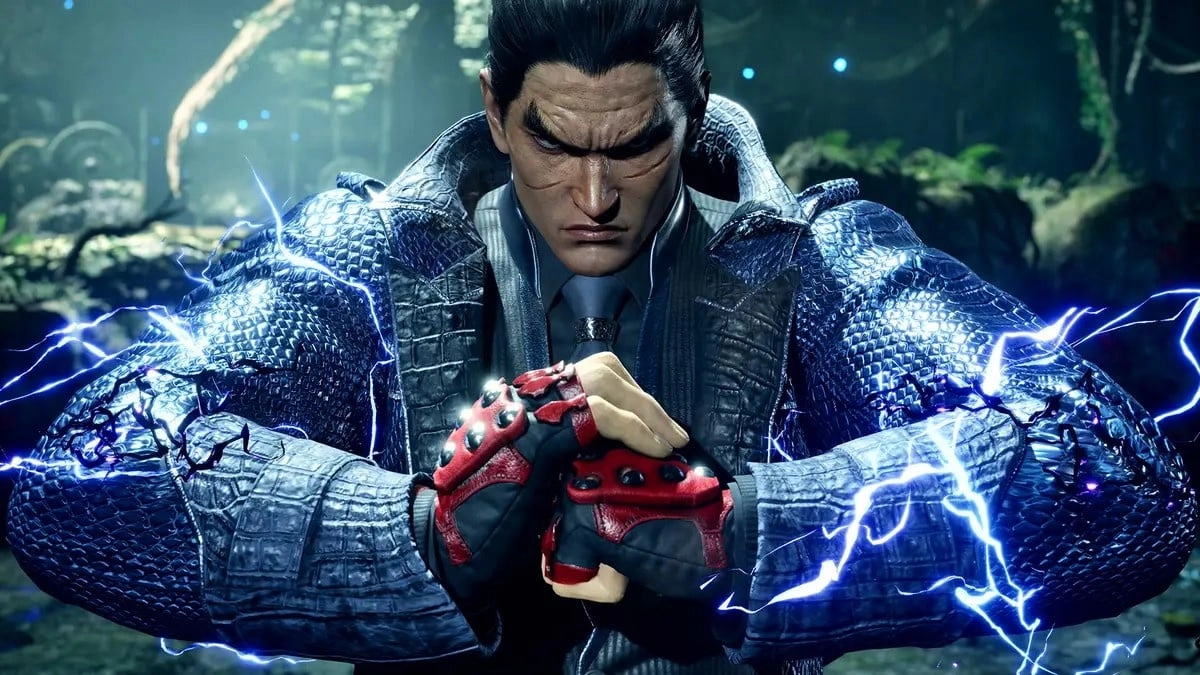
In the ever-evolving landscape of video game development, the inclusion of accessibility features has become a prominent topic of discussion. These features are designed to make games more playable and enjoyable for individuals with various disabilities. However, within this noble intent lies the potential for unintended consequences, as was the case with the upcoming Tekken 8, a highly anticipated fighting game.
Recently, it was reported that Tekken 8's demo version included accessibility features that inadvertently posed health risks to certain players. The issues were serious enough to necessitate the removal of these features both from the demo and the forthcoming full release of the game. This news comes ahead of the game's planned launch on January 26th, as developers heed warnings from advocacy groups about potential dangers.
The director of Tekken 8, Katushiro Harada, at the Tekken World Tour 2023 finals, addressed concerns about the accessibility options provided in the game’s demo. Harada revealed that the features, while still in a developmental form during the demo phase, have undergone significant revisions following user feedback. According to reports from PC Gamer, Harada spoke about the adjustments being made to accommodate a wider audience and to mitigate any issues that arose.
The accessibility feature in question was initially integrated to assist players who are colorblind. Unfortunately, instead of aiding these players, the feature reportedly caused negative physical reactions in some, leading to migraines and headaches. Specifically, the visual filter used was compared to a problematic episode of the Pokémon anime known for inducing seizures in susceptible individuals. The parallels raised alarms that the same feature in Tekken 8 could potentially trigger instances of Sudden Unexpected Death in Epilepsy (SUDEP) once the game was in the hands of players worldwide.
Advocates for the safety and well-being of players were swift to signal the potential for harm, prompting the game’s developers to re-evaluate their approach to accessibility. This situation highlights the intricate balance that needs to be struck between making games accessible and ensuring they do not cause harm to those they intend to include.
The controversy also sparked a discussion about the communication between game developers and the wider gaming community. Harada stated that the accessibility features were misunderstood and that they were never advertised to cover all types of color vision deficiencies. This incident underscores the importance of clear communication and the need for extensive testing, especially when implementing features that can significantly impact player health.
It raises awareness about the diversity of player needs and the complexities that game developers must navigate. As games become more inclusive, a standard approach may not suffice. Instead, a more nuanced and careful consideration of each accessibility feature must be undertaken, ensuring that they do no harm while maximizing their intended benefit.
The gaming community showed a mixed reaction to the news. While some players were concerned about the impact of the removed features on colorblind individuals, others lauded the developers for taking swift action in response to the feedback.
Looking ahead, the removal of these accessibility features suggests a move towards greater vigilance in game design. Tekken 8’s developers are now faced with the challenging task of creating an inclusive environment that does not compromise player safety. The incident also serves as a reminder to the industry at large to prioritize player health when considering the implementation of new game features.
As developers continue to strive for more accessible gaming experiences, the road ahead will surely be paved with lessons learned from instances like this. The balance of broadening access while ensuring safety is a delicate one, but it is a pursuit that remains critical to the future of the gaming industry. Tekken 8's adjustments serve as an example of how listening to player feedback and prioritizing safety can lead to better gaming experiences for all.

You must be logged in to post a comment!
