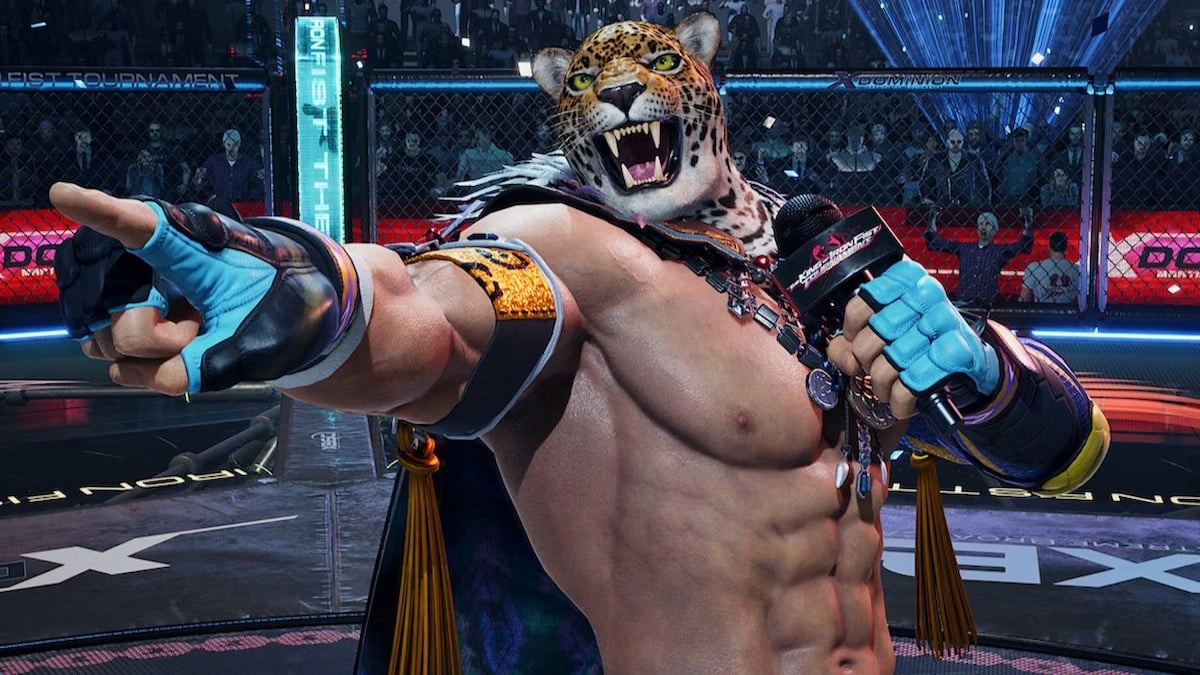
Katsuhiro Harada, the esteemed director behind the popular fighting game series Tekken, has recently expressed his ongoing intrigue with an unexpected facet of American culture: the Waffle House diner. Known for its widespread presence in the Southern United States, Waffle House has not only served as a culinary staple but has also become famous for some rather public and chaotic disputes among patrons and staff, which frequently make rounds on social media platforms.
Harada's interest in Waffle House began when fans of Tekken repeatedly requested the addition of a Waffle House-themed level in the upcoming Tekken 8 game. Curious about this enthusiasm, Harada took to Twitter to voice his thoughts and questions. He showcased a video clip from a typical late-night disruption at a Waffle House, highlighting the unusual sight of staff and customers engaging in physical altercations, complete with airborne plates and chairs.
From his perspective, Harada finds these occurrences baffling. In Japan, where he is from, such public displays of aggression are rare, especially involving restaurant personnel. Through his posts, he contemplates the reasons behind such frequent disputes in a restaurant setting, wondering if these incidents are merely due to the chain being open 24/7 and its patronage of inebriated customers, or if there are deeper cultural aspects at play.
Having visited the United States over 70 times on business trips, Harada feels the challenge of grasping this facet of American diner culture. His interactions and observations have led him to question the broader societal norms and behaviors that might contribute to this phenomenon. In his quest for understanding, Harada openly solicits insights and opinions from his followers and peers, aiming to integrate a realistic and culturally reflective scenario in his game development.
Waffle House, as a popular chain, claims its fame not just through its all-day breakfast offerings but also through numbers, serving 2% of all eggs consumed in the U.S. annually. This statistic alone suggests its deep integration into the dietary habits of many Americans, mirroring its potential role as a cultural icon. While typically viewed as a straightforward dining venue, the establishment’s vibe changes dramatically during the late hours, turning into a hotspot where various social interactions unfold—sometimes escalating into the brawls that have piqued Harada's curiosity.
The discussion around Waffle House in the context of Tekken 8 brings to light the unique cross-cultural exchanges that can occur within global gaming communities. For Harada, understanding Waffle House's cultural significance isn't just a trivial pursuit but a necessary exploration to enrich the gaming experience for his diverse audience. His approach goes beyond merely adding a new backdrop for game levels; it involves delving into the social dynamics that define different environments, which could introduce players to more immersive and culturally relevant scenarios.
This ongoing investigation by Harada may eventually lead to what could be one of the most unique brand collaborations in video game history. If Wafflehouse were to embrace this interest, it could mean a new way for the brand to engage with its patrons and perhaps sanitize its image concerning public disturbances. Furthermore, through such a partnership, both Tekken and Waffle House could reach wider audiences, showcasing the depth and variety of American diner culture within an interactive and entertaining platform.
As the gaming community keenly watches this curious intersection of diner culture and video game development, Harada's exploration into the nuances of American dining customs could very well redefine how cultural elements are integrated into video games. His journey sheds light on the power of curiosity and cross-cultural exploration in creating more engaging and meaningful game environments that resonate on a global scale.

You must be logged in to post a comment!
