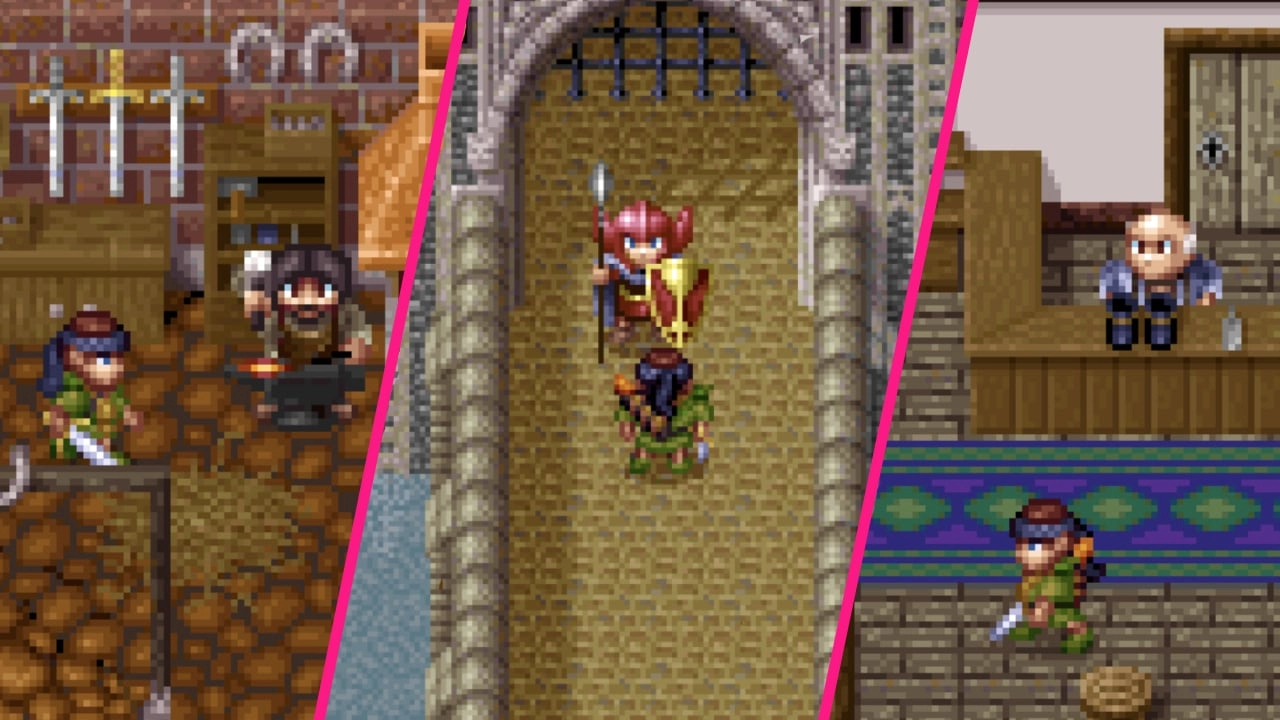
In the early 90s, the gaming industry was witnessing rapid growth, with developers aiming to outdo one another in creating memorable gaming experiences. Team17, a Wakefield-based developer, announced in 1994 an ambitious project named Witchwood, an RPG game positioned as a competitor to Nintendo’s acclaimed Legend of Zelda series. Witchwood promised a blend of adventure and enchantment with Team17 at the forefront of its development—or so it was thought.
As it turned out, the main creative force behind Witchwood was a smaller, lesser-known company, Synergy Software, directed by two brothers, Martin and Andy Severn. Synergy Software started as a solution to the closure of Interceptor Micros' Players Software, one of the many 8-bit budget labels of the time. With a group of creative talents at a sudden impasse, the Severn brothers launched Synergy, gathering old colleagues to continue their passion for game development.
Driven by their admiration for "The Legend of Zelda: A Link To The Past," Synergy dived into creating Witchwood with high ambitions to correct the minor yet noticeable flaws they found in contemporary console RPGs. The game's antagonist, as the name suggests, was a witch turned into an angry tree. The story followed the protagonist, Pip, a courageous young adventurer determined to reverse the malevolent curse laid upon his town.
Synergy's mission was simple: create a world that felt alive and responsive, a place where character actions caused ripples across the landscape, offering players a vibrant, interactive experience. This was an innovative step in a time when repetitive actions and a lack of nuanced response from game environments were the norms.
The romance with RPGs wasn't new to the British developers. Britain's history and folklore formed the narrative spine of Witchwood. From mutated landscapes to provincial towns under siege by the dark magic of the revived witch, Synergy wanted to craft something unique and steeped in the mysticism of English tradition.
While Team17's early involvement was limited to merely signing the project, it later became more integrated, especially when development seemed to be running behind schedule. To escalate production, Synergy was moved to Team17's headquarters, and additional resources, such as Team17's personnel, were deployed to assist. These reinforcements included Bjørn Lynne, a revered musician in the demoscene culture, who brought forth a melange of electronic and traditional instruments to shape Witchwood's soundscape, adding layers to its mystic world.
But momentum is a treacherous ally. The project succumbed to feature creep, and a clear path to completion eluded the developers. At the same time, Team17 struck gold with the success of Worms, prompting a shift of focus and resources toward the franchise that was proving to be a significant hit. Witchwood, with its uncertain trajectory, was edged out. Despite this, Surridge and Severn possess an understanding and pragmatic perspective on the game's cancellation. They recognized that without a clear endpoint, the project was a continuous drain on time and finances.
Witchwood's story is more than just a cancellation; it is a lesson in game development and the importance of direction and finite goals. The Severn brothers carried their lessons to new ventures, and Surridge found a home at Team17. While in circulation in magazines even after its axing, behind the scenes, Witchwood had been laid to rest.
Today, the gaming community benefits from the tech demos and insights shared by passionate gamers and archivists. Witchwood survives as a testament to the ambition of its creators and remains a tantalizing "what-if" in the annals of RPG history. It stands as a symbol of the challenges in game development and the harsh realities of the business side of creativity.
Witchwood may not have seen completion, but its legacy continues to intrigue and inspire. From the snippets of haunting music to the scattered images of a game that could have been, Witchwood exemplifies the imaginative spirit that fuels the gaming industry to this day. Through the collective memory and preservation efforts, Witchwood lives on, a phantom in the machine, reminding us all of the intricate tapestry of innovation and missed opportunities that define the gaming landscape.

You must be logged in to post a comment!
