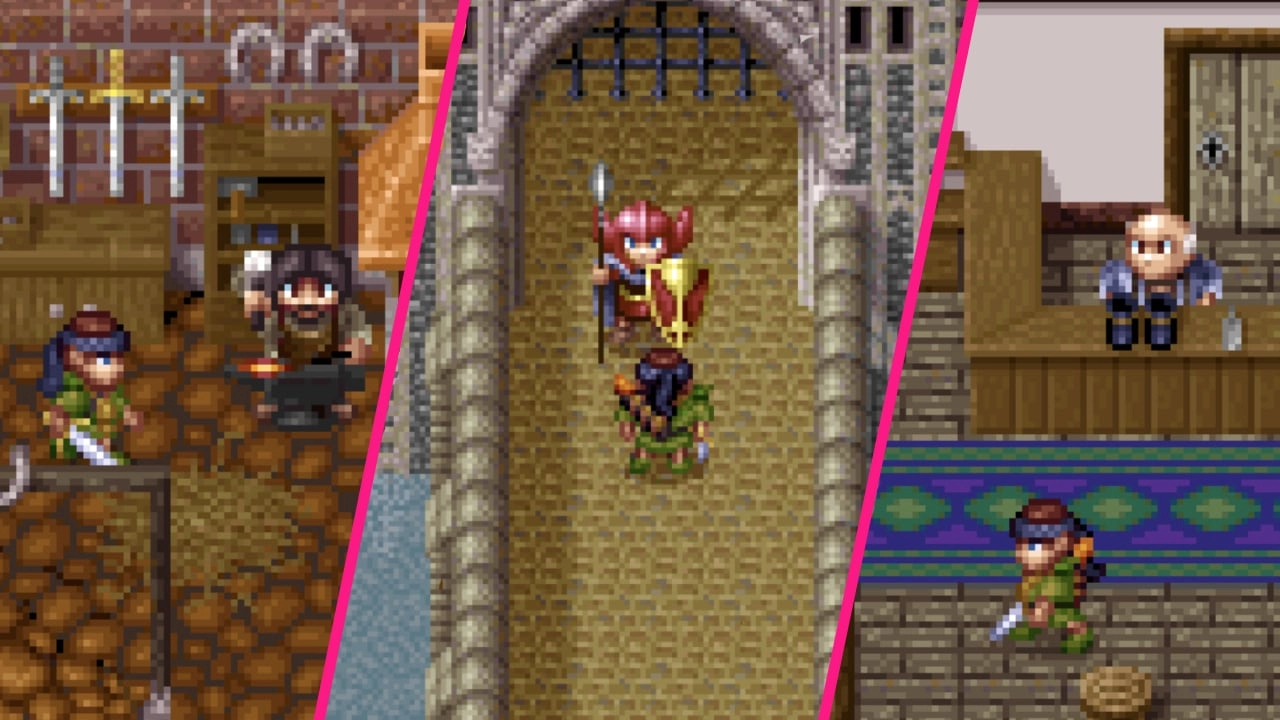
In 1994, Team17, a well-known developer and publisher based in Wakefield, made a thrilling announcement: they were developing a Legend of Zelda-style RPG named Witchwood. The game was supposed to follow a young adventurer's quest against a malevolent witch. Excitement grew as previews started surfacing in various magazines, outlining plans for PC, Amiga, Playstation 1, Sega Saturn, and Atari Jaguar versions. However, just a few years into development, Team17 mysteriously abandoned Witchwood, leaving many to wonder why.
For years, knowledge about Witchwood was scarce, limited to screenshots and magazine snippets—that is until 2012, when a VHS trailer and tech demo surfaced, followed by a revealing video from YouTuber Perifractic in 2019, offering insights into what could have been. Nonetheless, a crucial detail was commonly missed: Team17 wasn't the lead developer; a smaller company, Synergy Software from Fleet, Hampshire, was actually spearheading the project. Despite their relative obscurity, two former Synergy developers recently shared the story of Witchwood's inception and its eventual demise.
Synergy Software was founded in 1991 by Martin Severn and his brother Andy, in the wake of Interceptor Micros' closure, which had disbanded their 8-bit budget label, Players Software. Synergy banded the unemployed team together for new endeavors, initially taking on work-for-hire projects. Witchwood was Synergy's ambitious attempt at creating an original title inspired by their enjoyment of The Legend of Zelda: A Link To The Past.
Witchwood was conceived with the intention of offering a superior RPG experience—rectifying common genre frustrations like limited AI, repetitive NPC dialogue, and static worlds. The development team aspired to create a game where player choices mattered, and the environment responded dynamically to their actions.
Initially, Team17 signed onto Witchwood after a successful pitch by the Synergy team to co-founder Martyn Brown. While the press was abuzz with speculation about various platform versions, Synergy's developers claim they never worked on anything other than the PC game. Their goal was to build on PC before porting to other systems, a common approach for Synergy's projects.
The game's distinctive British flavor was set to incorporate elements of local folklore and history. Players would take on the role of Pip, a hero who arms himself against a vengeful witch and her corrupted natural world. The story would involve reclaiming sections of the overworld from the witch's influence. With a classic RPG inventory and an array of shops for gear and upgrades, Witchwood aimed to offer a deep, localized twist to the genre.
However, development was plagued by delays and a lack of clear direction. In early '95, Team17 moved Synergy's operation into their own offices to oversee progress more closely. Team17 allocated additional resources, including music by Bjørn Lynne, who composed with Norwegian and Celtic influences. Despite these efforts, constant feature additions and insufficient planning bogged down the work.
The success of Team17's Worms franchise quickly overshadowed the floundering Witchwood project. Resources were reallocated to the wildly popular Worms, leading Bestwick and Brown to reevaluate their commitment to the RPG. As Worms soared, becoming a multimillion-unit franchise, Witchwood's fate was sealed. Team17 officially canceled the project in late 1995.
The developers from Synergy weren't entirely blindsided by the cancellation; they recognized the difficulties and the publisher's need to focus on proven successes like Worms. Following the project's termination, Synergy's staff went their separate ways: Surridge joined Team17, Martin Severn moved to Microprose, and Andy Severn joined Codemasters.
Witchwood lingered in magazine pages for a short while after the project's quiet conclusion, some mistakenly connecting its demise with another Amiga RPG, The Speris Legacy, which shared the Zelda-inspired RPG ambition but had no direct ties to Witchwood's development or cancellation.
Despite its unfinished state, Witchwood's technical demo has been preserved online, thanks to the efforts of the Internet Archive and Perifractic. Curious players and historians can experience a snippet of the game that might have been, a testament to the ambitions and challenges in game development during the 1990s. Witchwood remains a fascinating footnote in the annals of RPG history—a game that aimed for the stars but ultimately never had the chance to shine.

You must be logged in to post a comment!
