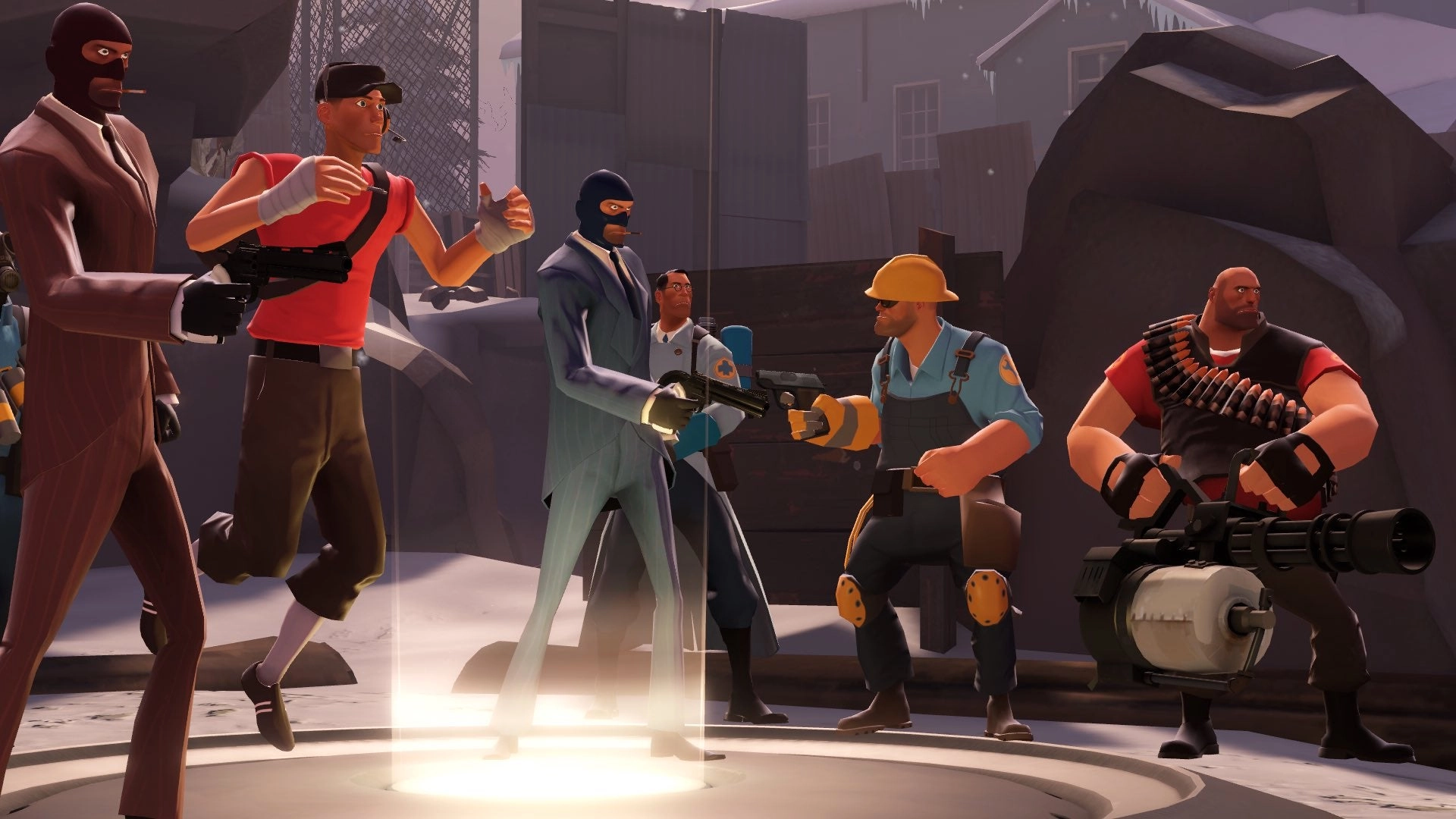
The gaming community often thrives on creativity and nostalgia, qualities which drove a dedicated team of developers to embark on a project to reimagine a classic: Team Fortress 2. However, this initiative has come to an abrupt end, following a series of setbacks that have culminated in a legal challenge from Valve, the original game's developer, putting the final nail in the coffin for the project.
The fan-made remake, known as Team Fortress: Source 2, aimed to bring the timeless multiplayer shooter into the present with an update to Valve's more modern graphics engine, Source 2—the same technology behind contemporary titles like Dota 2 and Half-Life: Alyx. This task was being undertaken by Amper Software, a small collective of fan developers, using s&box as a base. Intriguingly, s&box is the spiritual successor to the famed Garry's Mod, and is itself built on the Source 2 engine, promising much potential for homebrew creations and community-led projects.
The odyssey of Team Fortress: Source 2 began with high hopes in 2021. Yet even before encountering the legal challenges from Valve, the team was confronting significant technical issues. By September of the same year, the complexities of updating s&box to more cleanly partition its engine and client/server systems meant that all projects developed on its older version, including Team Fortress: Source 2, would become incompatible. Despite these changes deeming the current state of the code unusable, Amper Software remained hopeful and planned to revive their work once s&box settled into a more stable phase, stating they would wait until "s&box's future gets clearer and more stable."
The technical side put a damper on the remake's prospects, but it was the legal complication that truly spelled its doom. Valve, the overseer of the original Team Fortress 2, sent a DMCA takedown notice to the remake's GitHub repository, citing unauthorized use of intellectual property—namely the assets from the original Team Fortress 2 game. Accepting the reality of the situation, Amper Software recognized the legality and fairness of the takedown, given that their project offered a version of Team Fortress 2 free of charge, and thus, could potentially conflict with Valve's business interests.
Valve's decision to issue the takedown isn't without precedent. The company has a history of allowing fan developers to use its intellectual property under certain conditions. Noteworthy examples include Black Mesa, the fan-led reimagining of the original Half-Life, and more recently, a prequel to Portal 2 titled Portal: Revolution. Both projects received Valve's blessings and banked on the original games' intellectual property, but did so under a mutually beneficial understanding. In contrast, Team Fortress: Source 2's ambitions were met with resistance, possibly due to the scale and scope of the project or the potential clash with Valve's own plans for the franchise.
Despite the disappointing outcome, Amper Software looked back on their experience with gratitude for the community support and the progression made over the three-year development period. The project's cancellation stands as a stark reminder of the complexities and challenges inherent in fan-driven game development, especially when dealing with beloved IPs and the interests of the original creators.
The case of Team Fortress: Source 2 may be closed, but the spirit of fan creations and the love for classic games that drive projects like these remain an integral part of the gaming community. The balance between respecting intellectual property rights and fostering creative endeavors in the fan community is delicate and nuanced. Though this particular venture has ended, the lessons learned and the enthusiasm shared by its developers and supporters will undoubtedly give rise to new inspirations and, perhaps, more successful collaborations in the future.
Valve's intervention may shut down one avenue, but the passion for Team Fortress 2 and its potential incarnations within the community remains as fervent as ever. The closure of Team Fortress: Source 2 might mark the end of this iteration's journey, but it also underscores the unresolved appetite for enhanced versions or sequels of classic games, and the ongoing dialogue between game developers and their audiences on the limits and possibilities of fan creations.

You must be logged in to post a comment!
