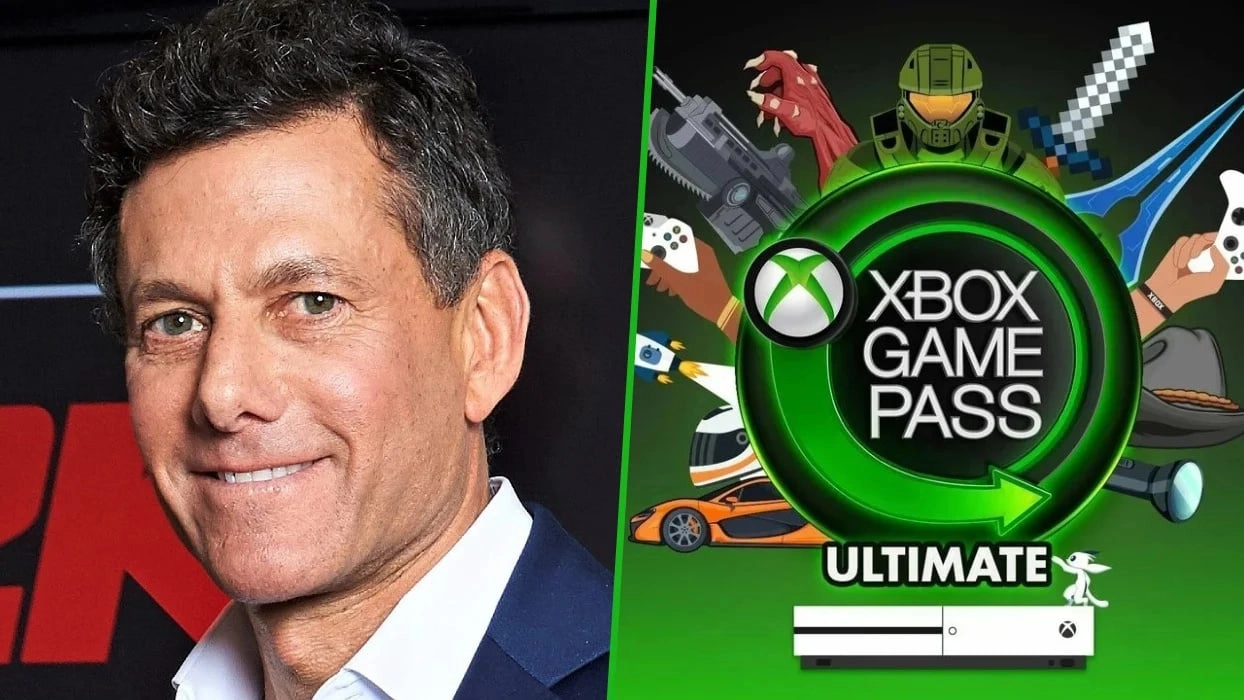
In the evolving landscape of video game distribution, the conversation around subscription services such as Xbox Game Pass has become increasingly relevant. Especially with Microsoft’s aggressive strategy following its acquisition of Activision Blizzard, which included adding big titles like Call of Duty to Game Pass on day one. However, not all publishers are keen to follow this path, and Take-Two Interactive is one of them.
Take-Two, led by CEO Strauss Zelnick, maintains a stance that diverges sharply from the industry’s growing fondness for subscription-based launch models. This decision is largely anchored in what Zelnick describes as “rational” business choices. Unlike Microsoft, which benefits directly from boosting its Game Pass subscriber base with high-profile releases, Take-Two operates on a model that aims to maximize the financial returns from its front-line titles by traditional sales methods.
Major franchises under Take-Two such as Grand Theft Auto, Red Dead Redemption, and NBA 2K have historically been blockbuster hits that drive significant sales through standard retail and digital purchases. The prospect of releasing such titles on a subscription service like Game Pass from day one could potentially undercut the lucrative first-party sales that these games usually generate. Zelnick pointed out, without mentioning specifics, that such a release strategy would be less beneficial for Take-Two's business model, which thrives on high initial sales figures typical of big game launches.
There's also the consideration of the long-term value of Take-Two’s games, which extends beyond initial sales. Releasing a major title on a subscription service could potentially devalue the perception of the game, affecting its pricing strategy and sales trajectory over time. This is particularly critical for games that have a long shelf life and continue to generate revenue well beyond their release dates.
Moreover, the dynamics of Game Pass are inherently different. For Microsoft, adding titles like Call of Duty directly benefits their ecosystem by driving subscriptions and retaining users, aligning perfectly with their business structure post-Activision Blizzard acquisition. This scenario creates a conducive environment for Microsoft to shift perceptions towards Game Pass as a leading platform for accessing new and major titles.
Yet, for Take-Two, which has not invested in a similar subscription service model, the focus remains on individual game performance. The company believes in the strength of its franchises and their market appeal, which can command premium pricing without the need for subscription-based dilution.
The feedback from the gaming community and industry watchers has been mixed regarding Take-Two’s stance. Some applaud the decision as a strong business move that preserves the brand value and exclusivity of its major franchises. Others, however, express curiosity about whether this strategy will hold as the market continues to shift towards subscription-based models. Could Take-Two eventually be forced to adapt if Game Pass and similar services dominate the market trend?
Furthermore, there is constant speculation on how these strategies affect the overall gaming ecosystem. Microsoft’s push towards making major titles available on Game Pass could set a new standard for game releases, influencing not only user expectations but also potentially leading to adjustments in how games are priced and sold across the board.
For now, Take-Two remains steadfast in its approach, banking on the strong performance and fan base of its key franchises to continue driving sales in the more traditional sense. Only time will tell how this strategy will play out against the backdrop of a rapidly evolving video game industry landscape, where subscription services are becoming increasingly prominent. This divergence in strategies highlights the varied approaches companies are taking in an industry at the crossroads of tradition and innovation.

You must be logged in to post a comment!
