The gaming world is full of intriguing backstories, but few are as dramatic as what transpired with Abraham Kogan, chairman of Taito Corporation's Brazilian subsidiary in the 1980s. Taito, originally founded by Michael Kogan and renowned for creating the blockbuster arcade game Space Invaders, had not only an impactful presence in Japan but also internationally, including in Brazil.
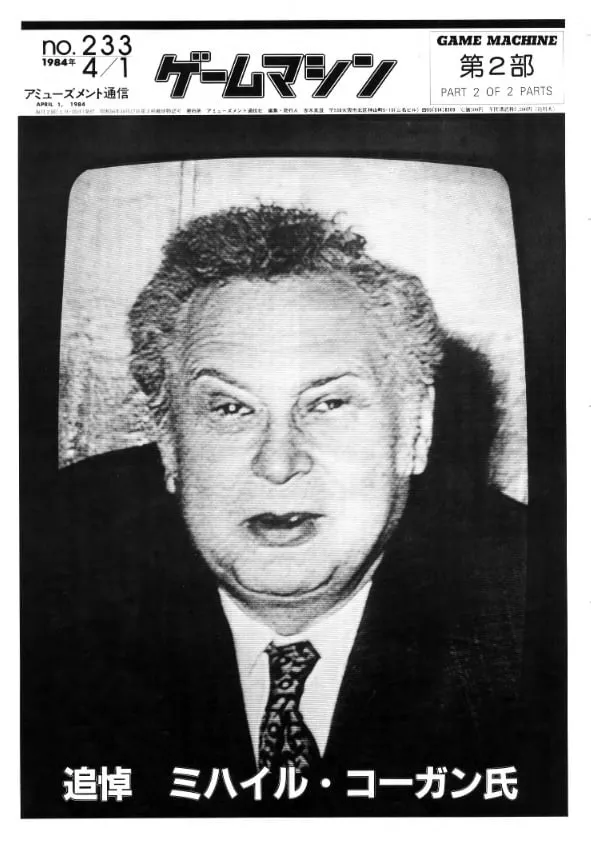
In 1985, Taito Brazil was under the leadership of Michael Kogan's son, Abraham Kogan, known as Abba. His tenure took a perilous turn when he was nearly kidnapped by some of his own employees. This episode came on the heels of his father's passing in 1984 during a business trip, which had already destined Abraham to take over at a challenging time.
The story came into the limelight at the History of Games 2024 conference where the episode was discussed as part of a wider exploration of Brazil's gaming industry. Delegates learned that this wasn't merely an internal corporate conflict but an alarming life-threatening situation that involved extortion and accusations of financial misconduct within the company.
Abraham had been living in Brazil for a decade and had taken the reigns of Taito at a relatively young age of 37. Taito Brazil, under his stewardship, evolved from merely distributing amusement machines to creating original games. However, the company was also allegedly involved in murky financial practices—an accusation that became central to the kidnapping narrative.
A detailed recount of the ordeal is found in a translated article from O Estado de São Paulo by Renato Lombardi, dated August 21, 1986. It described how lawyer Antônio Marcos Sartori and Hungarian Ferenc Barko, an auditor at Taito Brazil, orchestrated an extortion scheme demanding millions.
According to the newspaper article, Barko had resigned earlier on Kogan's suggestion due to suspicions over his financial handling, but procedural corruption continued. By July 1986, developments escalated dramatically. Sartori and Barko purportedly threatened to expose financial frauds unless they received 7.5 million Cruzados (approximately 2.2 million USD).
The attempt was thwarted by police intervention just when the money was supposed to change hands, with both Sartori and Barko arrested at a bank where the transaction was occurring. Interestingly, during their confrontation with the police, Barko was found armed, though he never used his weapon.
Furthermore, in an academic presentation at the conference, it was revealed that Kogan's eventual decision to leave Brazil in 1985 was a direct consequence of these threats to his safety and numerous extortion attempts. The emotional toll and the loss of trust in his local team were significant, influencing his move to Monaco, where he leads a more private life today.
Adding an oral history dimension to this narrative, a podcast featuring Pier Paolo Cartocchi, Kogan's former brother-in-law, detailed the attempted kidnapping and other tumultuous events from that time. Cartocchi painted a picture of Kogan as a kind-hearted individual whose trust was exploited by opportunistic employees.
These historical insights not only shed light on a lesser-known chapter of video game history but also illustrate the complex interplay between business practices and personal security issues. The conference and related academic efforts point out the necessity of preserving such narratives to fully understand the context in which global gaming communities have evolved.
Stories like Abraham Kogan's are crucial in piecing together the intricate puzzle of the video game industry's history. They remind us that behind the scenes of technological and creative advancements, there are personal dramas and challenges that often remain overshadowed by commercial success. Engaging with these deeper historical contexts enriches our understanding of the past, influencing how we view the legacies of game developers and companies like Taito.

You must be logged in to post a comment!
