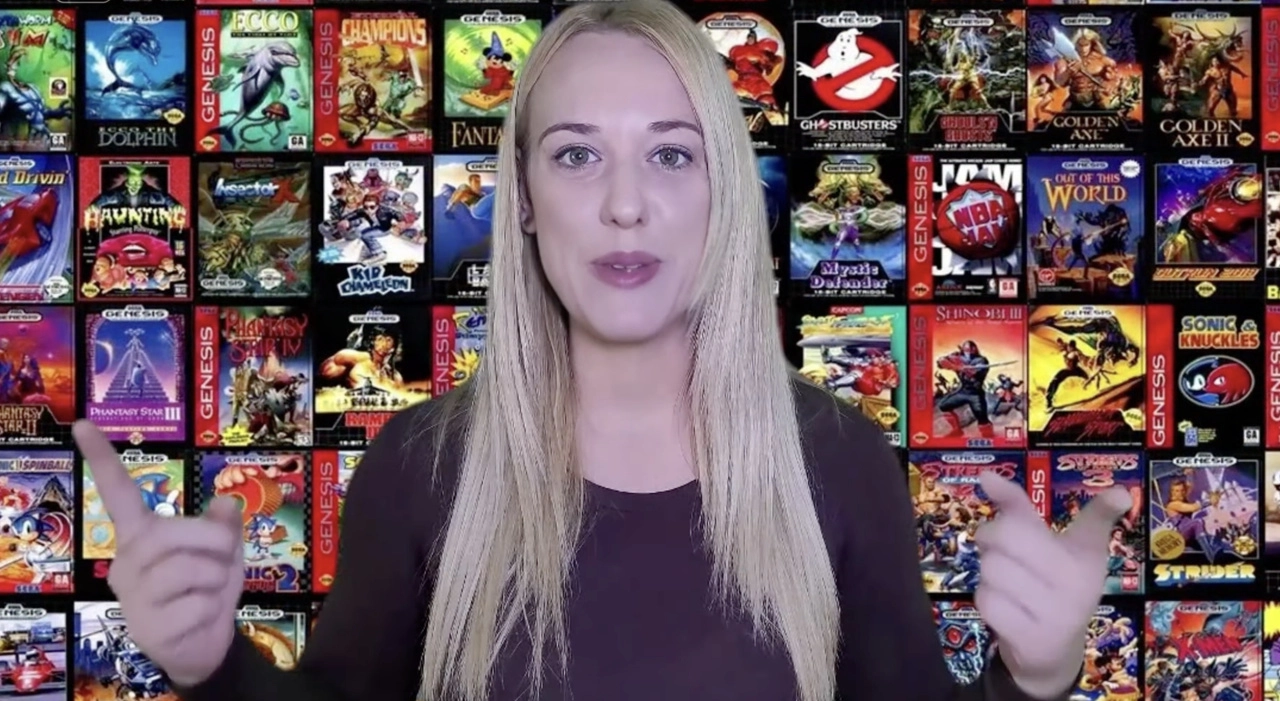
SuperSega, a Spanish team led by Alejandro Martin, has been at the center of gaming community discussions following the announcement of its ambitious project – an FPGA system intended to run games from all major Sega home consoles. This initiative has not been without controversy, facing skepticism over its use of the 'Sega' branding and questions regarding the authenticity of its demonstration videos.
Recently, those who pre-ordered the console experienced another shock when the entire cost of the console, 420 euros, was charged upfront instead of the initial three euro reservation fee. In response to the ensuing backlash, SuperSega has offered explanations to provide clarity on its operations and the recent pre-order charge incident.
Delving into the core of the matter, SuperSega conveyed that their project resources are considerably limited. Alejandro Martin clarified that the team consists of enthusiasts and developers who are not financially robust but are driven by a passion for the Sega platform. This financial limitation has directly impacted several aspects of their project development.
Addressing the concerns about not distributing prototypes, Martin mentioned that the team currently possesses only two prototype boards. These boards are not only expensive, costing about 15,000 euros each, but are also delicate and unfinished. The fear that these prototypes, if sent out, could be damaged or worse, copied by other companies, is palpable. SuperSega specifically expressed concerns about Analogue, a well-known entity in retro console manufacturing, which they fear might reverse-engineer their technology if given the opportunity.
In response to why the console and the board appear unfinished, Martin noted that what has been shown so far includes merely the fundamental components like an HDMI output, one USB input, and other basic features necessary to produce working videos. Due to financial constraints, they haven’t been able to complete a full board with all the traces, although they assure that functional traces that are not visible are indeed present in the intermediate layers of the board.
The videos released by SuperSega, which some have criticized for their low quality, were also a subject of the Q&A. The team’s limited resources have forced them to make do with what they have, resulting in videos that do not entirely showcase the capabilities of their system. Despite this, over the past two years, SuperSega has developed a running DC core and used a faster FPGA chip compared to the Cyclone V, commonly used in similar projects like Mister FPGA.
Despite facing severe criticisms and accusations, some even going as far as to label the project a scam, the SuperSega team remains focused on adhering to their timeline. They emphasized their commitment to progress, contrasting their situation with other projects that have faced long delays.
As the SuperSega saga unfolds, it serves as a reminder of the intricate and often challenging journey of console development, especially for small teams with limited budgets facing the immense pressures of community expectations and competitive risks. The upcoming discussion of Martin on a popular Spanish channel may provide more insights into the future of this controversial project, hopefully addressing the community's concerns and setting a clearer path forward for SuperSega.

You must be logged in to post a comment!
