In the realm of classic gaming, a captivating development has emerged with the announcement of the SuperSega, a novel FPGA-based console designed to play games from several Sega platforms including the Master System, Mega Drive, Saturn, and Dreamcast. This development promises a revolution in retro gaming by packing multiple consoles' worth of games into one modern system. This console is powered by a Virtex Ultrascale+ FPGA chip, which suggests high performance and a focus on faithful game emulation.
The initiative to develop the SuperSega isn't entirely new. Its roots trace back to a Spanish website created in 2002 under the same name, where users could share and rate game ROMs. The site enjoyed substantial popularity, boasting around 100,000 registered users at its peak, according to Cristina Burgués, the PR lead for the SuperSega project.
Despite its ambitious goals, the project has encountered its share of skepticism from the gaming community, some labeling it as potential vaporware due to the grand promises of extensive game support and advanced hardware capabilities. Counteracting these doubts, Burgués emphasizes that the project has deep roots in heritage and passion, noting that the console’s design draws inspiration from the Master System Plus, a console her family cherished.
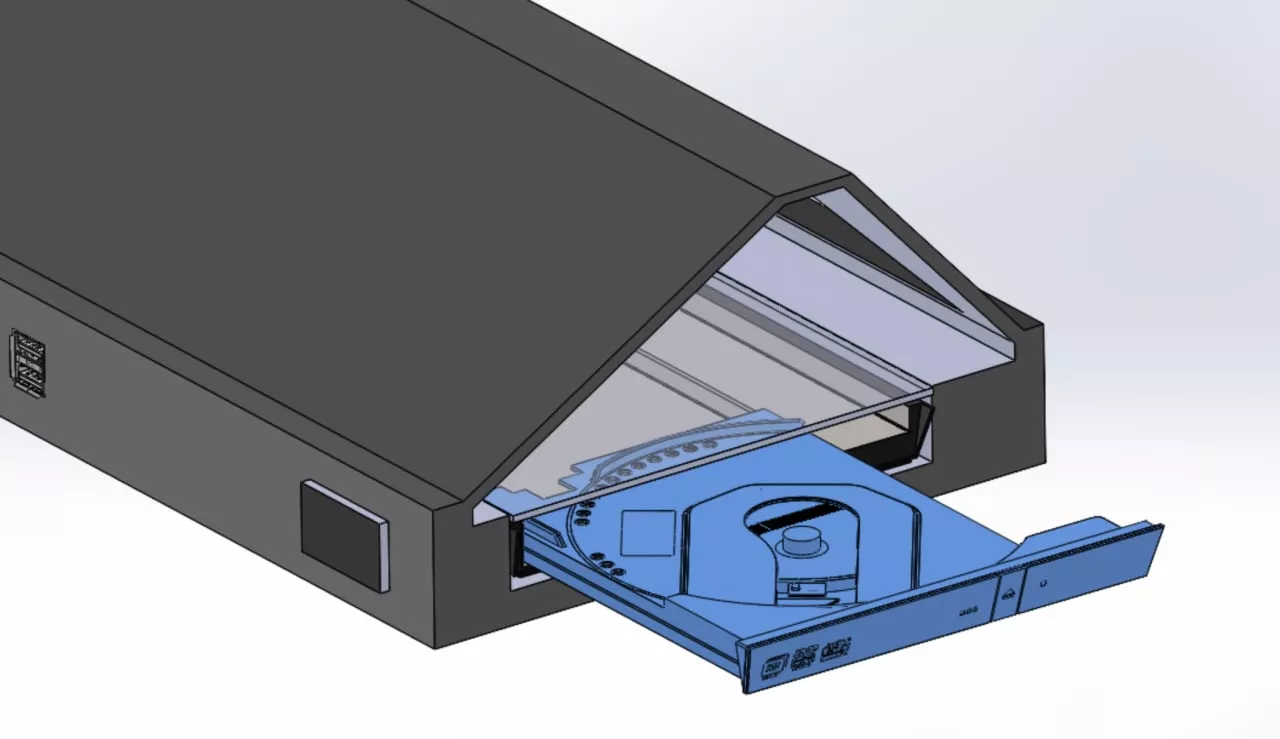
The team does have a working prototype, with a few Dreamcast titles already operational on the system. However, the technical challenges, particularly the emulation of the Dreamcast's complex architecture and its proprietary GD-ROM format, are significant. Burgués mentioned that they are exploring solutions, including using specific optical drives or allowing users to load games via SD cards.
Another concern is the compatibility of various Sega controllers. The console plans to include several USB-A ports to accommodate controllers from systems that don’t use the standard DB9 connector, such as the Saturn and Dreamcast. This suggests a degree of flexibility and a nod to purists who prefer original game controllers.
From a legal perspective, the use of the 'SuperSega' name is delicate, as it directly incorporates the Sega brand, which could lead to trademark issues. Burgués revealed that they have reached out to Sega for official licensing, which would allow them to include Sega games legally. This dialogue with Sega is crucial, as the response will significantly influence the console's legitimacy and its ability to include beloved Sega classics.
Financially, the ambition of the SuperSega doesn’t come cheap. The anticipated price range for the console hovers around $400 to $450, depending on various factors such as including officially licensed games and the necessary technology to support all the planned features like an SSD or a GD-ROM-compatible drive. These components are essential for delivering a console that meets modern expectations while honoring the legacy of the Sega platforms it aims to emulate.
The timeline for the console's release is still uncertain, with prototype boards expected to be completed later in the year and further development needed on the FPGA cores and the user interface. This timeline indicates a launch could be feasible towards the end of the year or possibly later, depending on the success of upcoming funding campaigns or other financing methods.
While the enthusiasm from the SuperSega team is palpable, the community's mixed reception shows a cautious optimism interspersed with doubts about the project's viability and legality. The outcome of negotiations with Sega will be particularly telling, potentially making or breaking the project's success. As the SuperSega team continues to develop their console, the gaming world watches with interest, hopeful yet uncertain about the revival and modernization of some of Sega's most cherished games. Ultimately, the success of SuperSega will hinge on its ability to balance nostalgia with modern technology, while navigating the legal landscape it is venturing into.

You must be logged in to post a comment!
