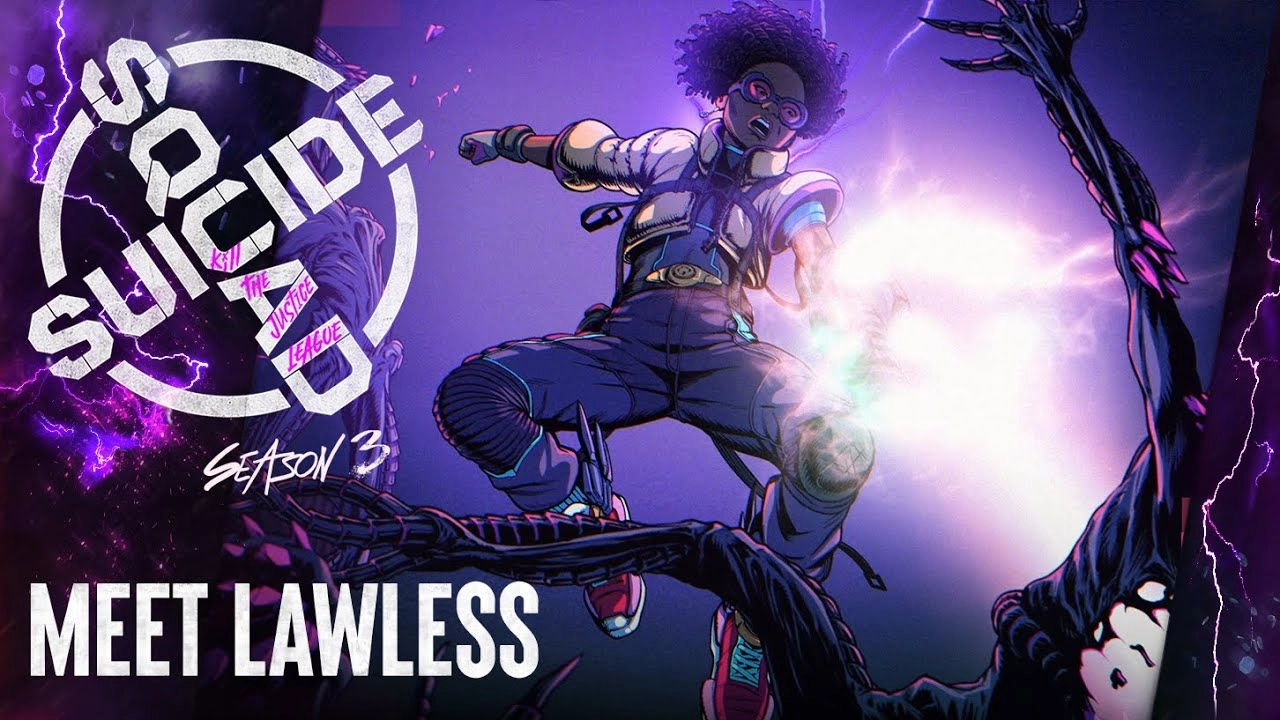
The world of video gaming is constantly evolving, with new games and updates being launched frequently. However, not all releases meet the enthusiastic reception game developers hope for. A recent example of this is the game Suicide Squad: Kill the Justice League, developed by Rocksteady Studios, the creator of the renowned Arkham series. Despite its prestigious origins, Suicide Squad has faced significant challenges since its debut, particularly as it transitioned into a live service model.
As of the launch of Season 3, which comes nearly nine months after the game's initial release, the situation does not appear to have improved. Season 3 marked its debut with less than 300 concurrent players, a sharp decline from the 13,000 peak players it had back in February. This stark decrease is indicative of the game's failing grip on players' interests and the broader challenges it faces in a highly competitive market.
The game's performance is particularly disappointing considering the $200 million loss it has reportedly accumulated. This figure not only reflects the direct financial repercussions but also the diminished brand value for Warner Bros, which had significantly invested in the game's success. Comparatively, other games like Hogwarts Legacy have managed to captivate audiences, which only underscores the struggles of Suicide Squad.
Adding to the internal troubles, Eurogamer reports that Rocksteady Studios has recently faced layoffs, particularly within its quality assurance team. Such cutbacks could reflect the company's strategy to reduce costs in light of the game's poor performance, but they also raise concerns about the future quality and development of the game.
Yet, there is a glimpse of potential revival. Season 4 is on the horizon and is set to introduce new characters including the much-anticipated Deathstroke. This addition might inject some much-needed vigor into the game and potentially attract both old and new players. However, whether this will be enough to sustain and build upon the existing player base remains uncertain.
The overall picture painted by Suicide Squad’s performance is telling of the larger trends within the gaming industry in 2024. The transition to live service games has been a double-edged sword; while it offers continuous revenue streams and ongoing player engagement, it also requires a steady and appealing content rollout that Suicide Squad has struggled to maintain.
As the industry continues to evolve with player preferences and technological advancements, Suicide Squad's journey offers valuable lessons. For game developers, understanding player expectations and the importance of a strong launch and consistent quality updates is crucial. For players, the evolving landscape provides a varied buffet of gaming options, though not all choices may meet expectations.
While Suicide Squad has not yet managed to turn the tide in its favor, the upcoming seasons could be pivotal. With the introduction of new characters and perhaps some strategic changes, there might still be a chance for this game to recover some of its lost glory and finally deliver on its promise. Alternatively, it could serve as a case study on the risks and challenges inherent in the gaming industry’s shift towards service-based models.

You must be logged in to post a comment!
