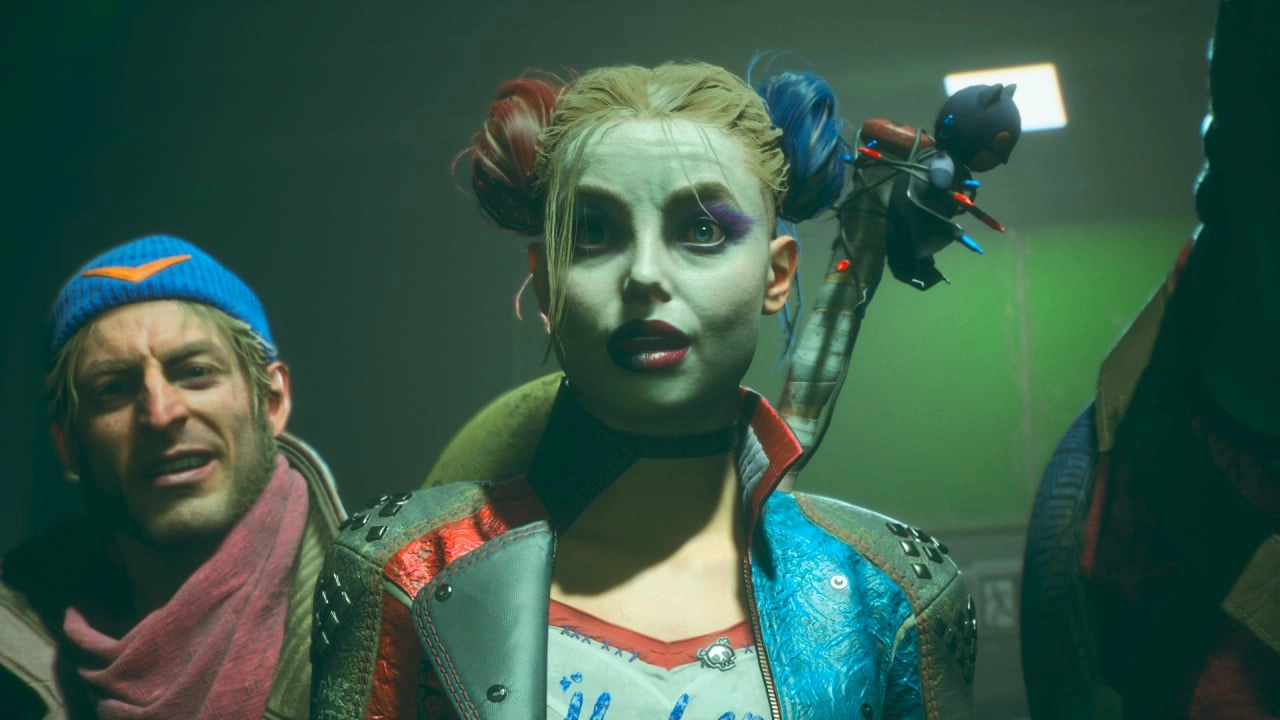
The release of "Suicide Squad: Kill The Justice League" has proven to be quite problematic for its publisher, Warner Bros. Instead of the anticipated blockbuster hit, the title has dramatically missed the mark both financially and operationally, resulting in a staggering $200 million loss. According to a detailed report by Bloomberg's Jason Schreier, the beleaguered game did not only fail to resonate with players but also posed significant production challenges.
"Suicide Squad: Kill The Justice League," developed by Rocksteady Studios, known for their highly acclaimed Batman: Arkham series, represented a significant shift in their usual game design approach. This latest title was an attempt to venture into the live-service game model, a trend that has become quite popular in the gaming industry. However, this shift appears to have been misjudged.
From the onset, confusion reigned among the Rocksteady team, as pointed out in the Bloomberg report. Employees were reportedly surprised to discover they were tasked to work on a multiplayer game – a deviation from the studio’s norm of crafting story-driven, single-player experiences. The transition was not smooth, with team members struggling to repurpose their expertise from creating engaging narratives to developing repetitive live-service models fit for ongoing engagement.
One of the core issues cited in the report was the game's structure, necessitating that battles, levels, and bosses be designed for repeated play, which starkly contrasts with Rocksteady's strength in delivering once-through narrative experiences. Additionally, the game suffered from bloated coding, which made streamlining gameplay for repetitive enjoyment challenging.
Employees described a working environment rife with what they termed "toxic positivity," a culture where raising concerns or criticisms was discouraged. Promises from management indicated that the game would pull together in the final stages of development, similar to previous projects like the Arkham series. Unfortunately, this was not the case.
Despite these ambitious assurances, the final product did not meet expectations. While some players found enjoyment in the game, it did not achieve the broad acclaim or financial success anticipated and required to justify its massive development cost.
Moreover, Warner Bros. has not been dissuaded by this setback. In light of the evolving gaming landscape, the company remains committed to exploring the potential of live-service games further. This indicates a strategic pivot away from the traditional "one and done" games towards more sustained, engagement-driven models. Whether this approach will bear fruit or require reevaluation remains to be seen.
Warner Bros.' experience with "Suicide Squad: Kill The Justice League" serves as an illustrative tale of the risks involved in shifting game development paradigms. The transition from single-player to multiplayer, live-service frameworks poses numerous challenges, particularly for studios like Rocksteady, which have built reputations on the former. As the industry continues to evolve, the story of this game might serve as a lesson for other developers navigating similar transitions, underscoring the need for a balanced approach that marries innovative game design with reliable production strategies.
Despite the significant financial blow, the forward-looking approach by Warner Bros. suggests a readiness to adapt and an unwillingness to shy away from the evolving demands of the gaming industry. How this strategy will impact its future titles and financial health will be closely watched by analysts and gamers alike.

You must be logged in to post a comment!
