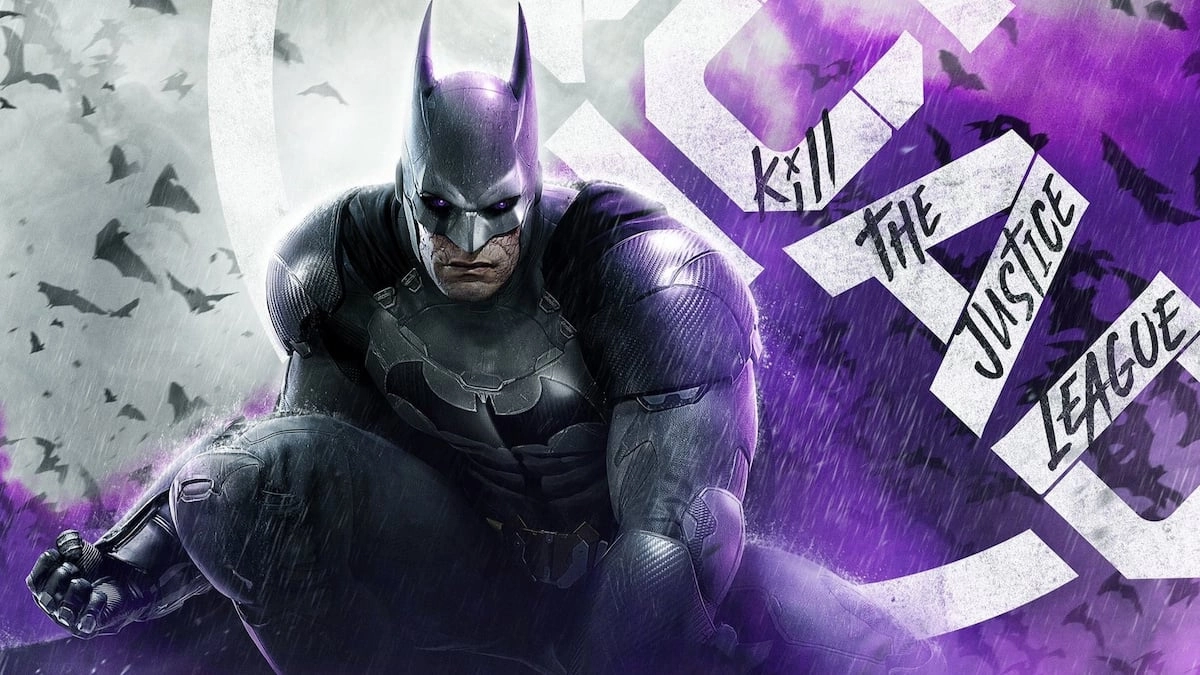
Anticipation often runs high for video games, especially when developed by renowned studios like Rocksteady, known for their critically acclaimed Batman: Arkham series. With a new project titled "Suicide Squad: Kill the Justice League," the intrigue is naturally palpable. However, not all receptions are created equal, and in the case of Suicide Squad, the initial previews left many fans wanting.
Despite this lukewarm response, Rocksteady seems undaunted. The studio has recently shifted focus towards what lies beyond the initial release of Suicide Squad. Axel Rydby, the game's director, revealed some ambitious post-launch plans that suggest the game will be supported heavily after it hits the shelves. This information came to light on the game’s official Discord channel. Rydby emphasized that at launch, players will have a plethora of options for customizing their characters. Rocksteady has contrived a system that boasts hundreds of combinations for builds across the game’s four playable characters.
These customizations extend beyond mere aesthetic changes, delving into the characters' Talent trees and traversal abilities. This level of depth implies that each player can tailor their experience to fit their preferred playstyle, whether aggressively offensive or cunningly strategic. Moreover, Rydby intimated that this is only the beginning, with plans to further expand these options in the ever-evolving post-launch phase.
The dedication to post-launch support raises an interesting point about the nature of Suicide Squad. Rydby shies away from labeling it a "live service" game— a term that has become somewhat contentious in the industry. Nevertheless, the framework laid out for Suicide Squad bears all the hallmarks of a live service model. Players can look forward to seasonal updates, a roster of additional playable characters on the horizon, new narrative elements to deepen the lore, and a variety of cosmetic items which—unsurprisingly—may come with a price tag.
This news positions Suicide Squad in a curious place within the gaming landscape. On one hand, it aims to offer a rich, single-player experience as one would expect from a Rocksteady title, yet simultaneously, it caters to the live service trend, extending its shelf life with continual updates. Such an approach has been met with both success and skepticism in various gaming communities, given the concern that it might prioritize longevity and monetization over initial quality and completeness.
As the launch approaches, the question of how fans will receive Suicide Squad remains open. Will the allure of a vast and dynamic post-launch lifespan draw players in, or has the game's purpose been misaligned with audience expectations? With the community actively engaged in ongoing discussions—sharing hopes, concerns, and predictions—the final verdict will only be ascertainable once the game has been released and its post-launch path unveiled.
With talent like Khayl Adam, an esteemed video game journalist from Australia, contributing to the conversation, along with a myriad of fans and commentators, the discourse around Suicide Squad is as vibrant as it is varied. Everyone seems to have a take on what could make or break the game, from its core mechanics to its delivery format.
Rocksteady lays down a challenge to the community: to stay tuned and actively engage with the upcoming Suicide Squad game, to explore the depths of its customization, and to contribute to a gaming experience that seems poised to evolve with its audience. Success for the game now hinges on how well it can blend its promised depth with the sustainability of a live service model, ultimately aiming to strike a balance that both satisfies immediate expectations and nurtures long-term engagement. The anticipation continues to build as gamers worldwide await their chance to delve into the depths and possibilities of Suicide Squad: Kill the Justice League.

You must be logged in to post a comment!
