
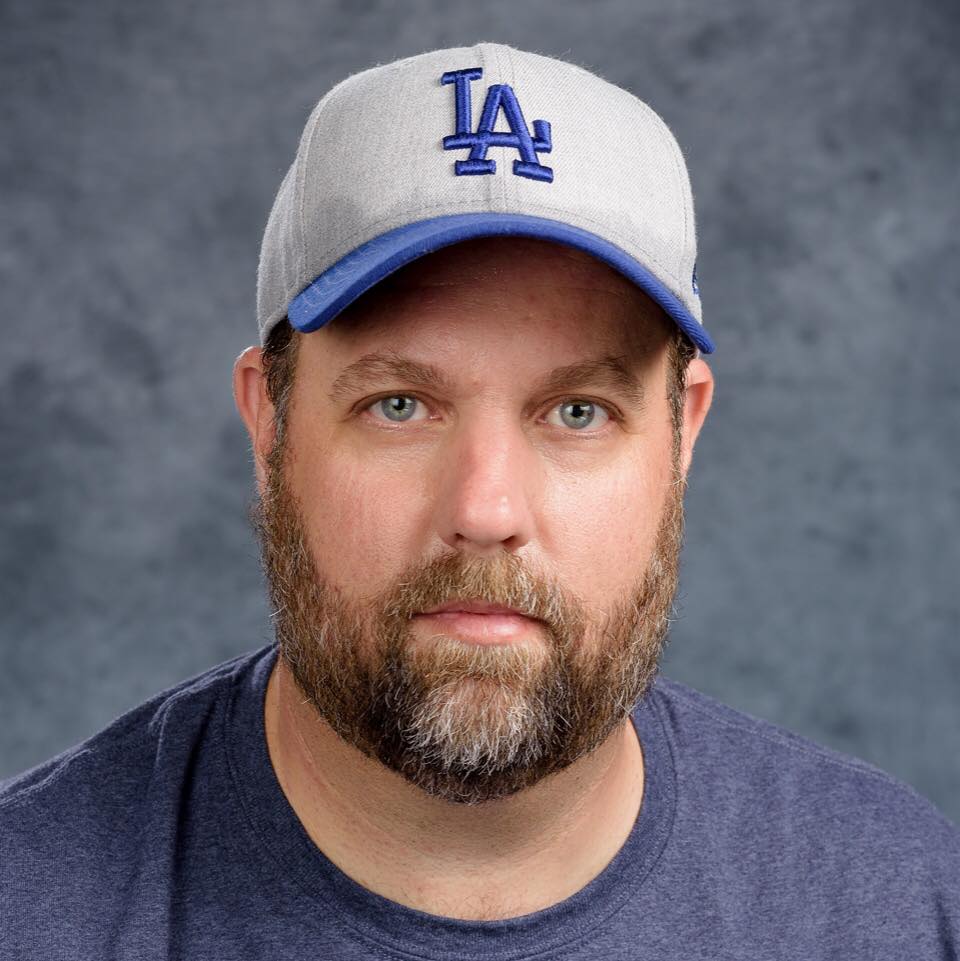

Grasshopper Manufacture is entering a new phase, and studio founder Goichi "Suda51" Suda has made it clear that he does not want that future to be defined solely by larger projects or the bright, exaggerated action-game identity many players associate with No More Heroes. The developer became independent from NetEase Games at the beginning of October, prompting a reassessment of how it makes games, how it promotes them, and which ideas it wants to pursue next.
That reassessment could eventually bring Travis Touchdown back into the spotlight. It may also lead Grasshopper toward a much stranger and darker piece of Suda51's history: Moonlight Syndrome, a 1997 PlayStation game that has never received an official overseas release. Between those poles sits a newly independent studio looking for a sustainable path forward without the financial framework it previously had.
In recent comments to Japanese gaming publications, Suda51 discussed the practical challenges of independence while outlining a creative direction that sounds distinctly like Grasshopper at its most unpredictable. He talked about working on outside intellectual properties, experimenting with platforms such as Roblox, expanding the team, releasing another unannounced game next year, and revisiting the darker sensibilities that informed projects such as The Silver Case, Flower, Sun and Rain, and Killer7.
Independence Changes the Scope of Grasshopper's Plans
Grasshopper's separation from NetEase affects more than its corporate status. It changes the likely scale and structure of the games it can undertake. While operating with NetEase backing, the studio had discussed a plan to produce three large-scale games over a 10-year period. Romeo Is a Dead Man, released in February, was one of the titles connected to that ambition.
For useful background on this topic, read Overwatch Director Addresses Why Some Heroes Receive More Skins Than Others.
Suda51 said that plan will need to change now that Grasshopper is on its own. The previous commitment was built around an arrangement with NetEase, and an independent studio must approach its resources differently. That does not mean Grasshopper intends to retreat from making original work. Instead, Suda51 described a future in which the company can take on a wider variety of jobs, balancing internally driven projects with opportunities involving other properties.
That flexibility could be important. Game development has become increasingly expensive, and smaller independent teams often need partnerships, contract work, publishing deals, or licensed projects to support their more unusual original creations. Grasshopper has long occupied an unconventional space in the industry: recognizable enough to have an international following, yet defined by games that are rarely designed to fit a conventional blockbuster mold.
Suda51 specifically named two dream properties he would be interested in tackling: Mobile Suit Gundam and Marvel's Deadpool. These are aspirations rather than announcements, and there is no indication that Grasshopper has secured either project. Still, the choices are revealing. Both franchises offer room for exaggerated action, irreverence, violent spectacle, and strong character voices--the kinds of elements Grasshopper has frequently used in its own work.
The Difficulty of Getting Seen
Making games is only one side of the challenge. Suda51 also acknowledged that marketing a release has become substantially harder than it once was. Grasshopper handled the promotion and release of Romeo Is a Dead Man internally, despite the game originally being planned as a NetEase-era project.
His comments point to a changing promotional environment. Older campaigns could lean heavily on familiar measures: television advertising, magazine coverage, and online placements. Today, visibility is more fragmented, social platforms move quickly, and countless games compete for attention across storefronts, streaming channels, community spaces, and short-form video feeds. For a studio with Grasshopper's distinctive style, getting a game in front of the people most likely to appreciate it can be just as important as the game itself.
Grasshopper hopes that its name can help. The company has existed for roughly 30 years, and Suda51 noted that the Grasshopper brand has become recognizable internationally. That recognition is valuable, particularly for a studio whose projects often attract players interested in auteur-driven games and unusual storytelling rather than safe, familiar formulas.
There is an important distinction here: brand recognition does not eliminate the need for promotion, but it can give an independent studio a foundation. A new Grasshopper title may not need to explain its personality from scratch. Fans know to expect bold visual choices, absurdity, sharp tonal pivots, and concepts that can become deliberately chaotic. The studio can build on that relationship while it seeks out new audiences.
A New Game Is Still Planned for Next Year
Earlier this year, Grasshopper held a playable demo event for Romeo Is a Dead Man at Shibuya PARCO in Tokyo. During that event, the company said another new game would arrive before the end of the year. That release did not materialize on that timetable.
Suda51 has since maintained that the unidentified game is still coming, with its release now expected next year. No title, genre, platforms, or exact launch date have been announced. For now, it remains one of the biggest open questions around Grasshopper's immediate future.
The studio is also evaluating different platforms, including Roblox, as a space where it could test ideas and experiment. That mention should not be read as confirmation of a Roblox release. Rather, it suggests Grasshopper is considering ways to prototype concepts, reach different communities, or explore formats outside its traditional console-focused legacy. The developer is additionally recruiting new staff, another sign that it is trying to build capacity for whatever comes after its first fully independent transition period.
Moonlight Syndrome Could Represent a Return to the Shadows
The most intriguing creative ambition Suda51 discussed may be a return to Moonlight Syndrome. Developed while he was still at Human Entertainment, the 1997 PlayStation title was an early career milestone. It came before the games that would establish his reputation more widely, including The Silver Case, Flower, Sun and Rain, and Killer7.
Rather than simply describing the old game as a candidate for revival, Suda51 connected it to a broader wish to rediscover a different side of Grasshopper. No More Heroes helped cement an image of the developer as a creator of flashy and colorful action games, but Suda51 wants to revisit the darker, more serious, and more chaotic impulses that characterized much of the studio's work through Killer7.
That does not necessarily mean a direct remake, sequel, or remaster is in active development. No formal project has been revealed. But the possibility matters because Moonlight Syndrome remains unavailable through an official international release. Suda51 expressed hope that the work could finally reach audiences outside Japan.
For longtime followers, this could be an especially meaningful prospect. Grasshopper's later catalog has received more attention internationally, while some of its foundational work remains difficult for newer players to access. An official overseas release of Moonlight Syndrome would not only preserve an important part of Suda51's creative history; it could introduce a less widely known tone and design lineage to players who only know the studio through Travis Touchdown's exploits.
No More Heroes' 20th Anniversary Is Approaching
There is also clear interest in doing something with No More Heroes. Marvelous owns the series, and Suda51 noted that the company is very aware that next year marks the franchise's 20th anniversary. He said he would like to do something special to commemorate it and offered an emphatic assurance that Travis Touchdown will return.
That statement is encouraging, but fans should keep expectations grounded until Marvelous or Grasshopper shares specifics. There has been no announcement of a new No More Heroes game, remaster, collection, event, or other anniversary project. There are likewise no confirmed platforms, dates, or details about what Travis's return will look like.
Even so, the anniversary creates a natural opportunity. The original No More Heroes built its reputation with its Wii-era style, irreverent humor, pop-culture energy, and intentionally eccentric approach to action games. The series went on to become Grasshopper's most recognizable name, even as its tone stood apart from the grim, unsettling atmosphere of some earlier Suda51-associated works.
A future celebration could therefore serve two purposes at once: recognize the franchise that brought Grasshopper to a broad global audience and give the now-independent company a high-profile connection to its own past. Exactly how Marvelous and Grasshopper might collaborate remains to be seen.
Looking Back Without Standing Still
Grasshopper Manufacture's next chapter is not a simple nostalgia project. The studio has practical concerns to solve, including financing, staffing, development scale, publishing arrangements, and discoverability in an overcrowded market. Its prior long-term roadmap cannot continue unchanged after the end of its NetEase relationship.
But Suda51's comments suggest that the disruption has also opened creative possibilities. Grasshopper can consider outside IP work. It can investigate unconventional platforms. It can pursue new original games at a scale more suited to an independent company. And it can re-examine the pieces of its own history that have been overshadowed by its most famous series.
For fans, the central takeaway is one of potential rather than certainty. A new game is expected next year, though it remains unnamed. A No More Heroes anniversary initiative is something Suda51 wants to make happen, but has not been detailed. Moonlight Syndrome is a personal and artistic priority he would like to revisit, not a confirmed production. The common thread is a desire to make Grasshopper's future feel recognizably Grasshopper: stylish, strange, energetic, and perhaps considerably darker than its recent public image suggests.
Community
Discussion
Start the conversation.
No comments have been posted yet.