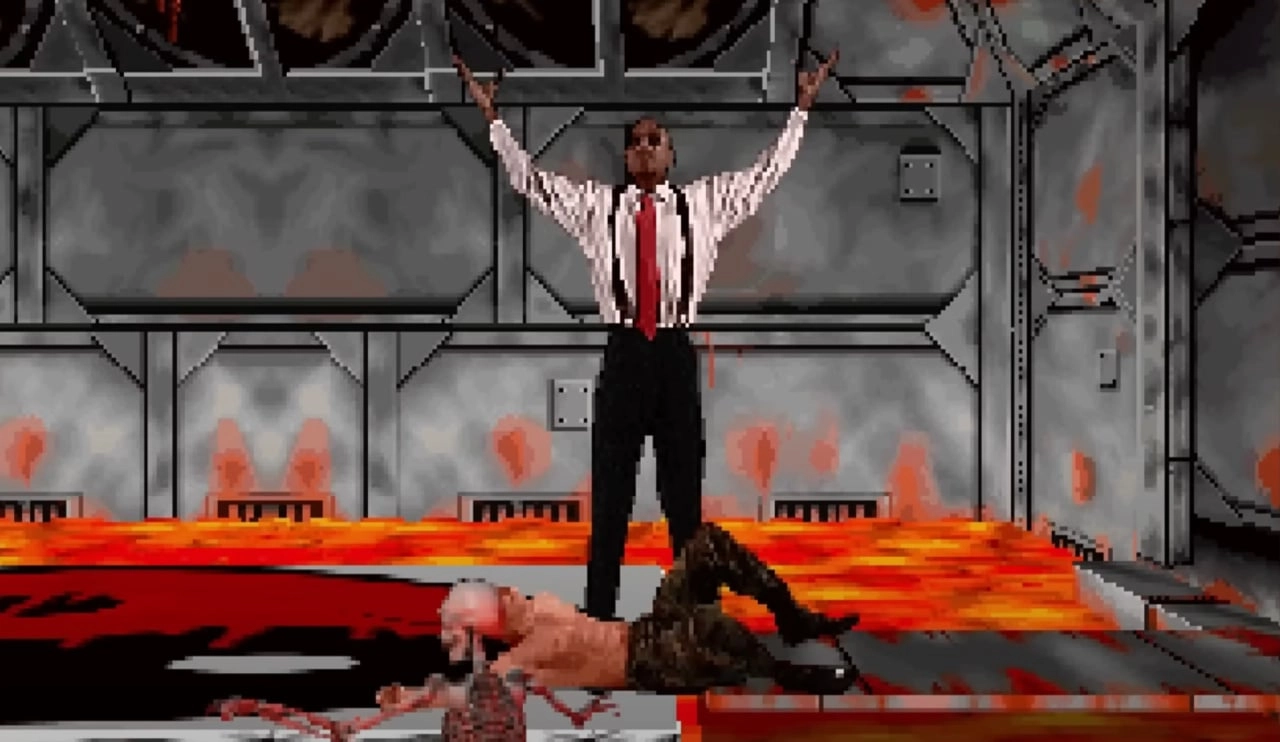
Way of the Warrior, a game released for the 3DO Interactive Multiplayer system in 1994, may not have been one of the best-received titles in gaming history, yet it holds a special place in the heart of Takayuki Nakayama, the current director of the forthcoming Street Fighter 6. Nakayama recently shared some personal reflections on this relatively obscure title, revealing a deep-rooted fondness that contrasts sharply with its historical reception.
Developed by Naughty Dog, who would later achieve fame with franchises such as Uncharted and The Last of Us, Way of the Warrior was an early attempt by the company in the fighting game genre. The game featured digitized characters, a style popularized by Mortal Kombat, which was a dominant force in the genre during the early 90s. Despite these apparent advantages, Way of the Warrior faced critical panning. Gaming magazines of the time, including big names like Electronic Gaming Monthly and GamePro, criticized its gameplay mechanics, balance, and overall execution. They unfavorably compared it to Mortal Kombat, noting it failed to match the quality and polish of its renowned counterpart.
Despite these criticisms, Way of the Warrior managed to achieve moderate commercial success. Interestingly, it reportedly outsold the 3DO port of Samurai Shodown, another well-known title in the fighting game circuit. This achievement suggests that despite its flaws, the game found a dedicated audience, perhaps drawn by its unique aspects or simply the popularity of the fighting game genre at that time.
Nakayama's connection to the game is rooted deeply in personal experience and sentiment. He recalls first hearing about Way of the Warrior from a friend who owned a 3DO. The mention of Rob Zombie's involvement in the game's soundtrack—a significant selling point at the time—piqued Nakayama's interest. Given his fondness for Rob Zombie's work with White Zombie, this aspect alone was enough to send him rushing to Akihabara, a popular district in Tokyo known for its electronic stores and vibrant pop culture market, to get a copy of the game.
Playing the game, Nakayama acknowledges its shortcomings, particularly in terms of "operability and game balance," which he admits were not good. However, he also notes the game's "endearing" qualities, such as its unique characters and the incorporation of item elements that reminded him of other titles like the original Samurai Shodown. Nakayama praised the game's background music (BGM), credited to Rob Zombie, as a powerful element that enhanced the overall experience.
The nostalgia for Way of the Warrior is tinged with a personal note. Nakayama fondly remembers his friend who introduced him to the game, a buddy he eventually lost touch with. This reminiscence lends a bittersweet note to his memories of the game, intertwining personal history with gaming history. Each playthrough or mention of titles like Uncharted, another significant Naughty Dog release, brings back memories of both Way of the Warrior and his old friend.
In many ways, Nakayama's reflections on Way of the Warrior paint a more humane and personal picture of gaming. It's not always the best-made or most popular games that hold a special place in one’s heart; sometimes, it's about the memories associated with them, the places we visited to get them, and the people we enjoyed them with. This story serves as a reminder of the personal connections and nostalgia that can attach us to games beyond their objective quality or success—reminding us why, despite a feature of flaws, some games remain memorable and beloved.

You must be logged in to post a comment!
