Splatoon 3 has managed to carve out a unique spot in the hearts of its players with its colorful gameplay and engaging battles. As Nintendo prepared to phase out the regular updates for Splatoon 3, they planned one final hurrah that not only celebrated the game's successful run but also gave its community a memorable finale. This event, known as the 'Grand Festival', turned out to be much more than just an ordinary game update or patch—it was a full-fledged festival imbued with the soul of Splatoon.
The buildup to the Grand Festival was heralded by a flurry of tweets and posts from the Splatoon team, creating a palpable excitement among the fans. As the event unfolded, it became clear that this was not just a typical 72-hour Splatfest; it was a comprehensive celebration that took over the game from its title screen to the small gameplay details that fans cherish.
One of the standout features of the Grand Festival was the transformation of the game’s traditional stages into a vibrant hub of activity. The usual starting screen of Splatoon 3 was creatively replaced with a festive sign marking the Grand Festival, immediately setting the tone. Upon entering the game, players were treated to transformed gameplay areas that fostered both competition and celebration.
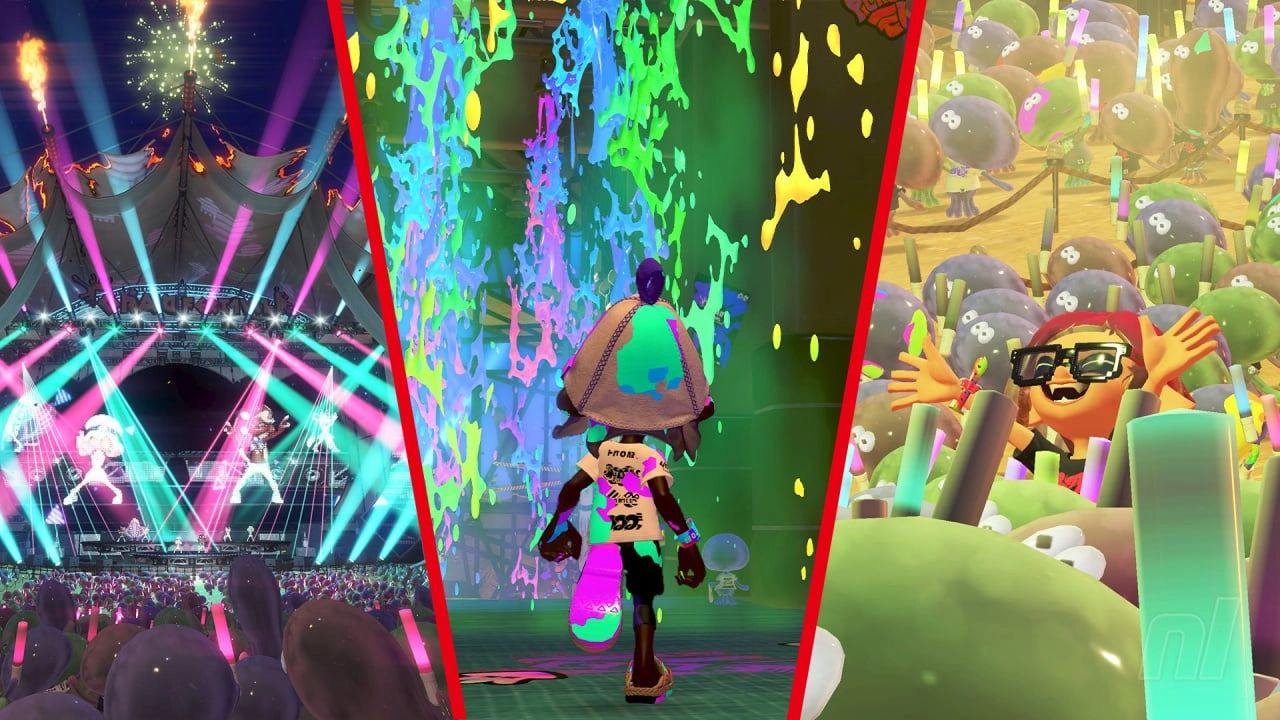
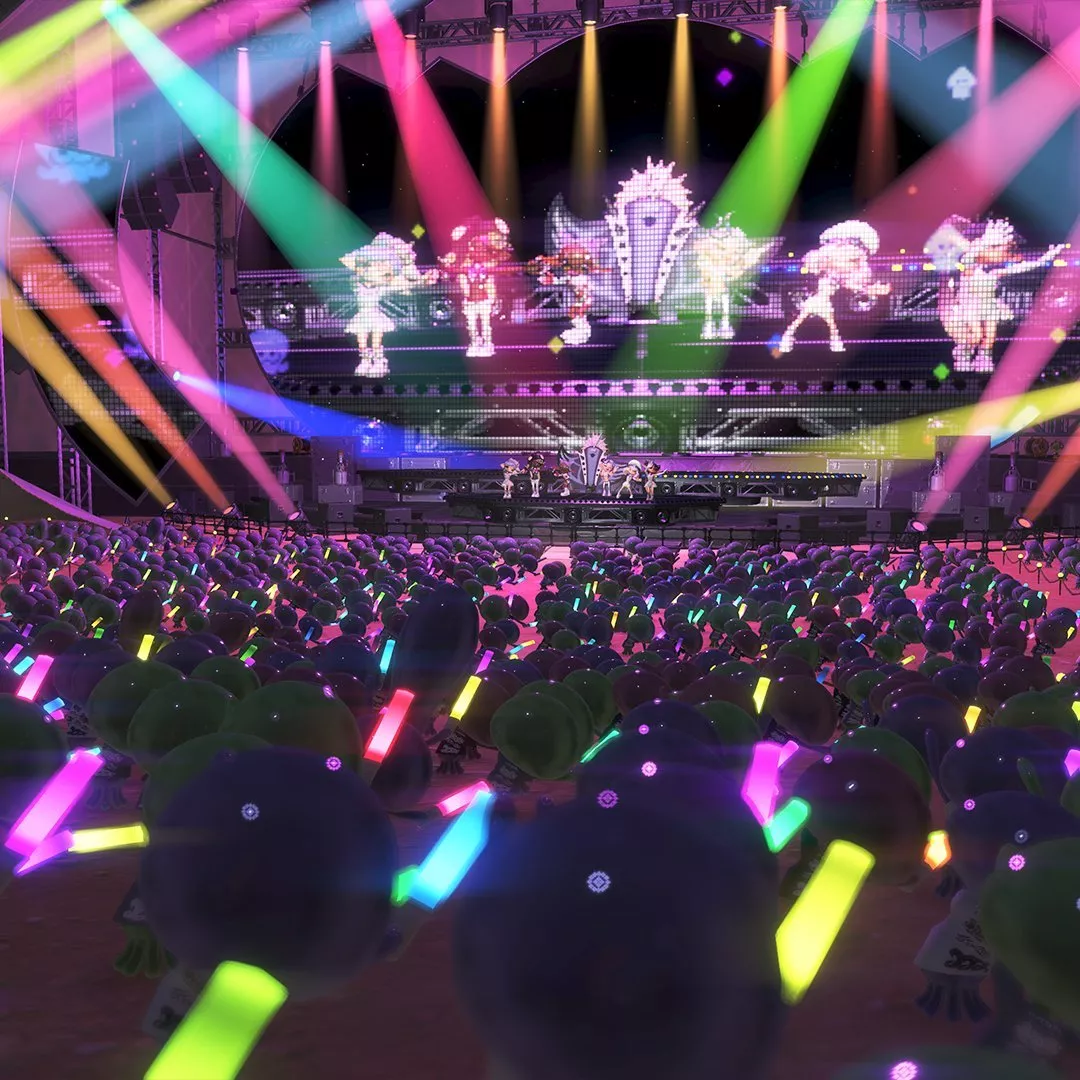
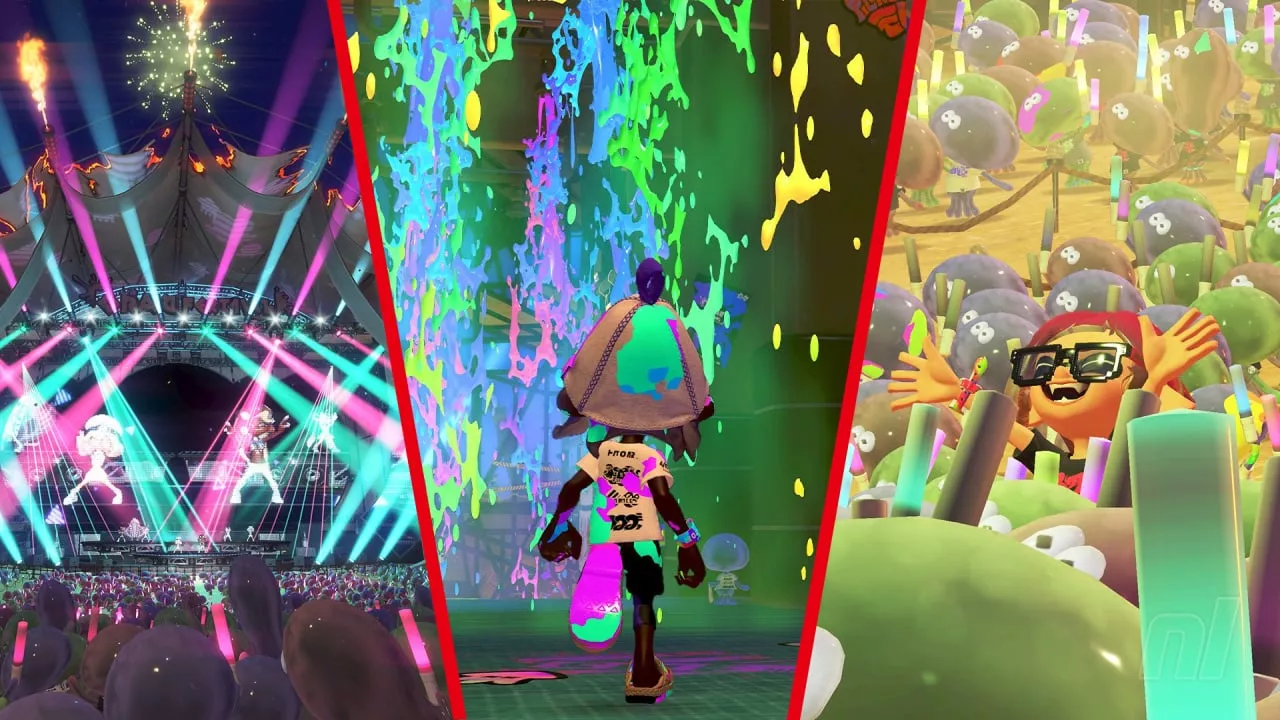
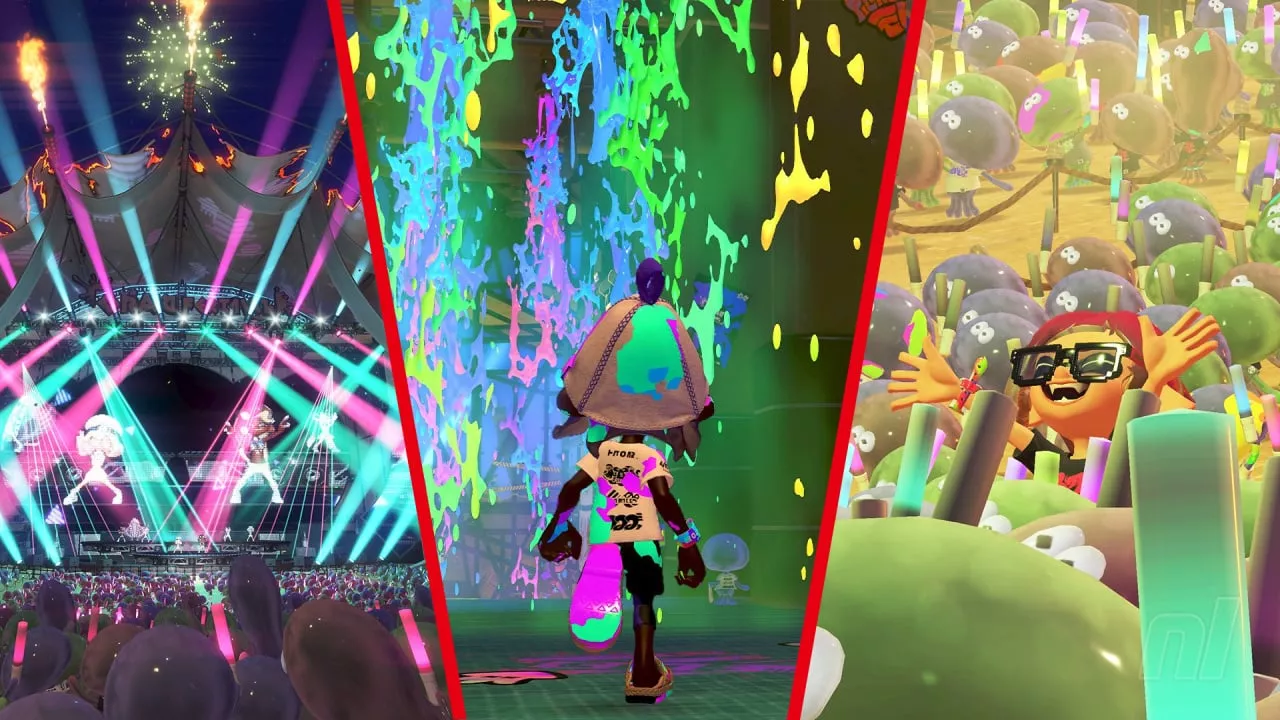
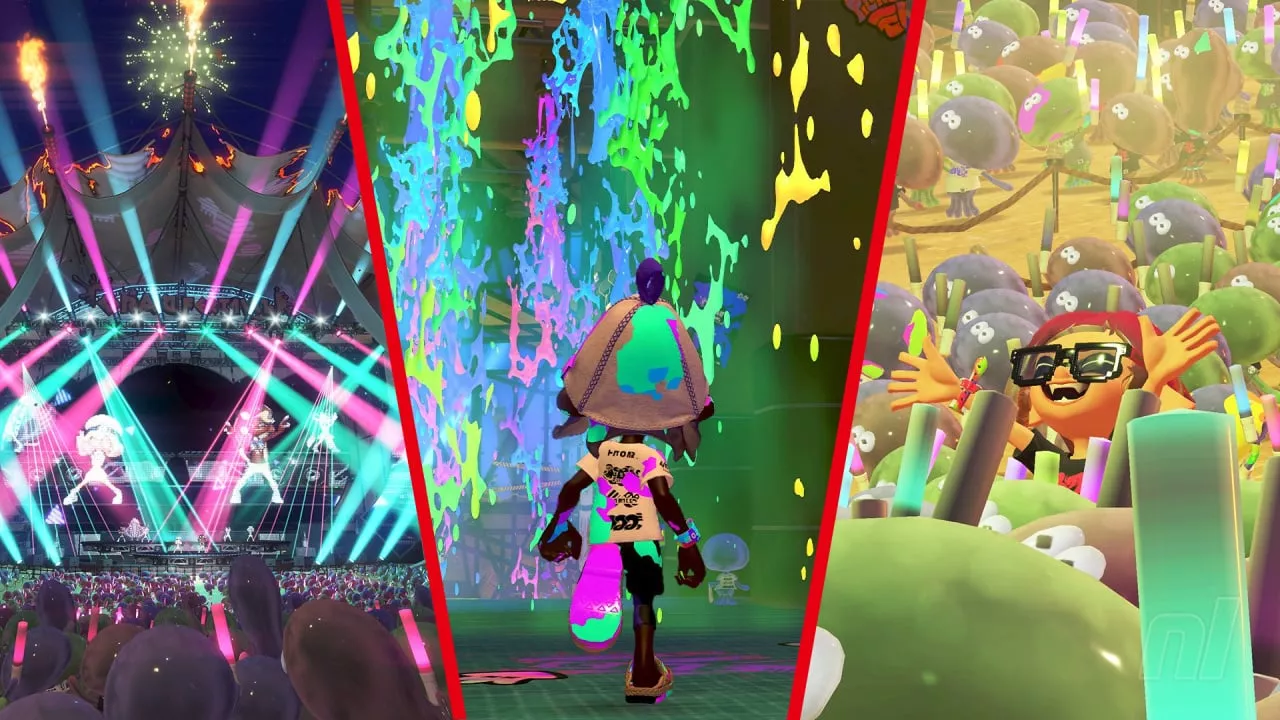
Among the innovations for this event were the Tricolor Battles from the start, an increased frequency of 10x Battles, and the addition of a new stage called Grand Splatlands Bowl. However, the real gem of this event was the central stages hub, a bustling festival ground that included live music performances, merchandise stands, and a bustling crowd animated with individual movements. This area brimmed with life, imitating the crowd dynamics of real-world festivals.
Nintendo excelled in the technical execution of this event. Splatoon 3's already commendable graphics were enhanced with detailed crowd animations, dynamic lighting, and festive ink effects, all contributing to a lively festival atmosphere. The game pushed the limits of the Nintendo Switch, offering a peek into the hardware's capabilities through this enhanced graphical display.
The music, always a central element of Splatoon’s charm, took center stage at the Grand Festival. Even players who didn't typically focus on the game's music found themselves drawn to the performances. Iconic in-game bands like the Squid Sisters performed live, creating moments that many players paused to enjoy, swaying alongside the digital crowd.
The emotional resonance of the Grand Festival was palpable across the Splatoon community, with players sharing their experiences and sentimental farewells online. Tweets filled with memories and appreciation for the game underscored how the festival was more than just an event; it was a communal celebration of what Splatoon 3 had contributed to their lives.
Moreover, Nintendo ensured that the spirit of the Grand Festival would not just end with the event. Players were given the option to revisit the celebrations through the amiibo area in Splatsville. By scanning various Splatoon amiibo figures, players could travel back in time to experience the festival's different phases, select different music tracks, and relive the festivities whenever they wished.
This added feature not only extended the life of the Grand Festival experience but also reinforced Nintendo's commitment to keeping community memories alive.
As the Grand Festival concluded, it did not signify just the end of massive updates but also served as a beautiful transition into whatever future adventures await the Splatoon franchise. Nintendo's execution of the Grand Festival—the interactivity, the music, the enhanced visuals, and the communal joy—captured the essence of what makes Splatoon 3 beloved by its fans. The event was more than just a celebration; it was a perfect send-off paving the way for future installments and updates that might still come in different forms.

You must be logged in to post a comment!
