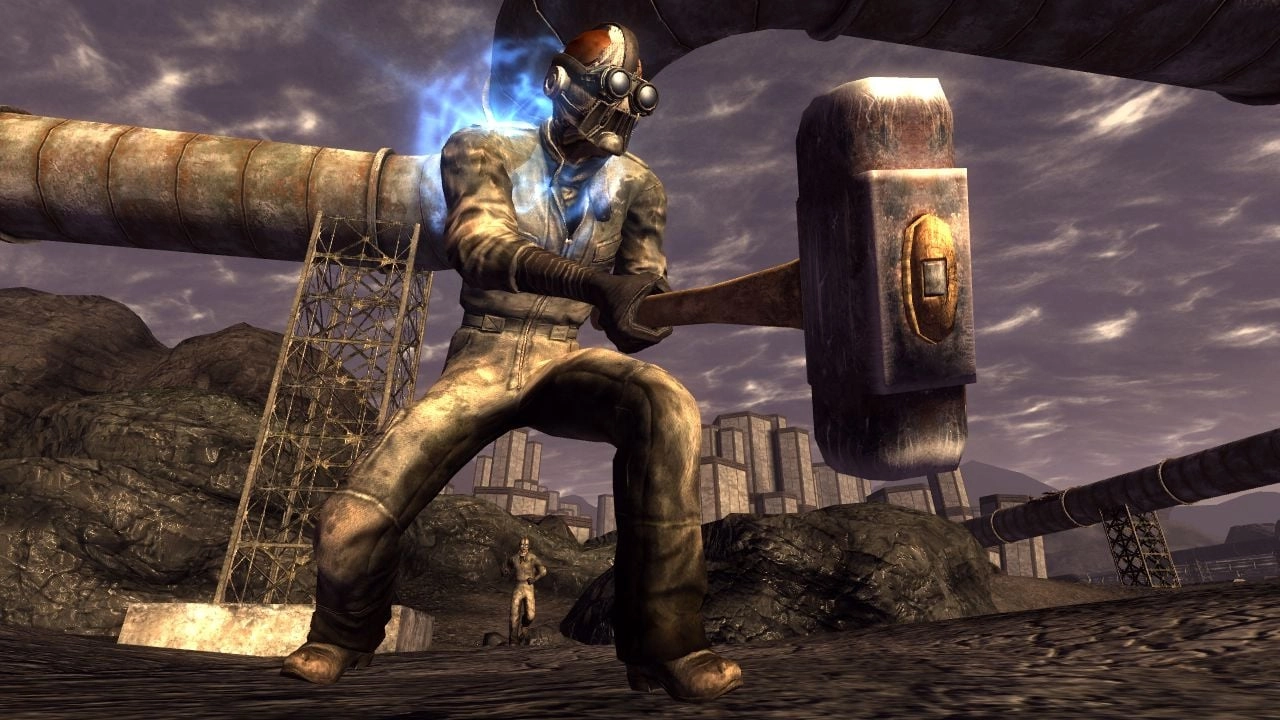
The universe of The Elder Scrolls, a renowned fantasy role-playing game series by Bethesda Softworks, could have expanded in a fashion similar to the Fallout series had a different twist of fate occurred. This opportunity emerged back in 2010, following the successful launch of Fallout: New Vegas, which was developed by Obsidian Entertainment as a bridge between the events of Fallout 3 and Fallout 4.
Fallout: New Vegas, with its rich storytelling and deep gameplay mechanics, was not a direct sequel but rather a standalone game in the Fallout series, and it was hailed for its unique approach and contributions to the franchise’s lore. At Obsidian, there were ambitions to apply this formula to another of Bethesda’s prized franchises—The Elder Scrolls.
Chris Avellone, a key figure and writer for Fallout: New Vegas, shared via social media that he had pitched the idea of a spinoff for The Elder Scrolls while at Obsidian. His vision was to create an ancillary game that would serve a purpose in the Elder Scrolls world akin to what New Vegas did for Fallout. The Elder Scrolls version would provide additional adventures and expand the existing universe while fans awaited the next major installment from Bethesda.
Avellone's proposal was inspired by the approach used by Activision with the Call of Duty series, wherein alternating development teams alternated releases to keep the series fresh and consistent, despite shorter intervals between games. This model could potentially have enabled Bethesda to release their tentpole titles, with Obsidian delivering a spinoff Elder Scrolls project nestled between Bethesda's major launches.
However, despite the potential promise shown by such a concept, the proposal never got off the ground. Avellone intimated that Bethesda did not seem entirely pleased with the way Fallout: New Vegas was received, both with its successes and failures. The critique might have played a role in Bethesda's response—or lack thereof—to the concept of an Elder Scrolls spinoff.
Since the release of The Elder Scrolls V: Skyrim in 2011, fans have not experienced a new chapter in the franchise. Instead, Skyrim has seen multiple re-releases across various platforms and editions, keeping players engaged with the same yet timeless adventure rather than providing a new expanse to explore within the Elder Scrolls lore.
The idea certainly tantalized fans, who have long awaited a new realm to traverse or new storytelling zeniths to be reached within the Elder Scrolls universe. It would be undeniably intriguing to envision what Obsidian could have crafted, given their track record with creating rich, narrative-driven experiences.
The Elder Scrolls VI has been announced, though it is currently in the early stages of development, with no significant updates expected in the immediate future. Moreover, the game industry has seen shifts with Xbox's acquisition of Bethesda, raising questions about the future of both The Elder Scrolls and Fallout franchises under the new corporate umbrella.
The storytelling pedigree of Obsidian, their intricate development of worlds and characters, and the beloved gameplay of the Elder Scrolls series could have combined to offer something unique and refreshing to fans around the globe. Yet for this particular tale, the pages will remain blank, leaving only speculation and wonder about the epic adventures that might have been.
Conversely, the gaming community can still look forward to future Elder Scrolls endeavors and the magic that Bethesda may conjure in the vibrant and ever-expanding fantasy universes they’ve built. While the spinoff envisioned by Chris Avellone and his team at Obsidian remains unrealized, the possibility of unexplored lands and untold stories within the Elder Scrolls series continues to spark the imagination of players worldwide.

You must be logged in to post a comment!
