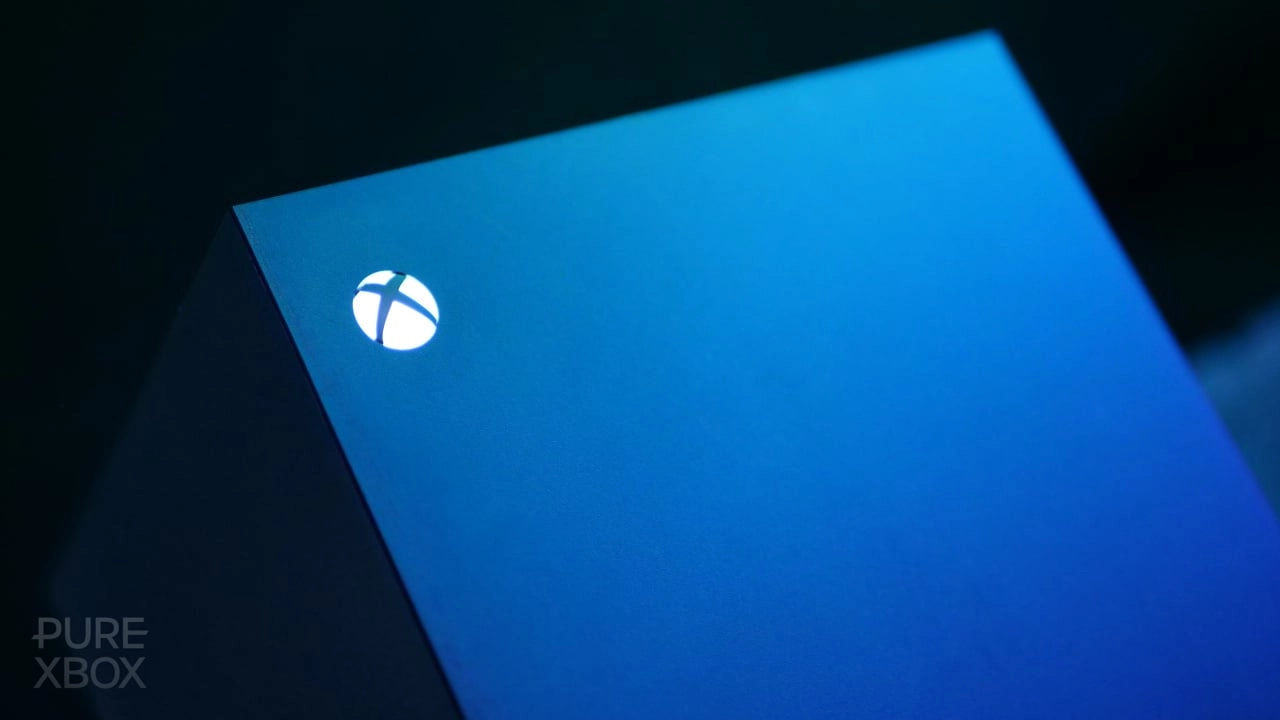
In the dynamic realm of gaming, the lifecycle of a gaming console has often reached close to a decade; however, the current climate around gaming suggests this may no longer hold true for newer generations such as the Xbox Series X|S. Historically, Microsoft’s consoles, including the Xbox 360 and Xbox One, enjoyed long and successful runs of seven to eight years. Initially, similar aspirations were expected for the Xbox Series X|S, which is currently nearing its fourth year.
Lately, significant industry movements and announcements have sparked discussions about the potential for a shorter than anticipated generation for these consoles. Key figures at Xbox, such as Sarah Bond, have started to unveil hints and discussions surrounding what many anticipate to be preparations for the next-gen Xbox console far earlier in the lifecycle than witnessed in previous generations. Sarah Bond’s references to developing “Xbox’s most powerful console ever” not only stir excitement but also suggest a seismic shift in the pace at which Microsoft aims to introduce new technology.
Moreover, the landscape of gaming technology is evolving with increasing velocity, branching beyond traditional consoles. Speculations suggest Microsoft might be exploring the portable gaming sector, inspired perhaps by the success of devices like the Steam Deck. Although no concrete announcements have been made, Xbox chief Phil quuded discussions seem to lean towards an alternate type of gaming device that could further disrupt the traditional console lifecycle.
In addition to new hardware formats, advancements in cloud gaming are rapidly changing how and where gamers engage with their favorite titles. Platforms like Amazon Fire are expanding the ecosystem, enabling more fluid gaming experiences across various devices without the need for powerful hardware at home. These shifts are indicative of a broader trend where the dependency on heavyweight consoles may decrease, altering the traditional timelines associated with their relevance.
The scenario is not isolated to Xbox. Competitors such as Sony and Nintendo are also amidst their own swirling rumors and potential plans. There has been ongoing speculation about a mid-generation upgrade for the PlayStation 5, akin to a PS5 Pro, though Sony remains tight-lipped with no official announcements made. The expected reveal has not occurred yet, and the industry is rife with speculation that plans might extend beyond 2024.
Similarly, the successor to the Nintendo Switch remains a mystery with little to no concrete information available, despite widespread consumer interest and speculation. It appears that all major console manufacturers might be gearing up for big moves that could significantly disrupt the market in the next few years.
With these rapid developments, the notion that the current generation of consoles, such as the Xbox Series X|S, might see a shorter lifecycle is becoming increasingly plausible. Various factors, including the pace of technological advancements, changing consumer expectations, and new entries into the gaming market, contribute to this shift. Gamers and industry watchers are keenly observing these changes, eager to see how traditional patterns evolve in response to these new challenges and opportunities.
Whether this will result in a shorter generation is still up for debate. However, one thing is clear: the gaming industry is at a pivotal point, and the next few years could be transformative in terms of how gaming platforms conceptualize and deliver the gaming experience. The possibility of a shortened console generation could be just one of many significant changes as the industry continues to innovate and redefine itself in an era of rapid technological advancement.

You must be logged in to post a comment!
