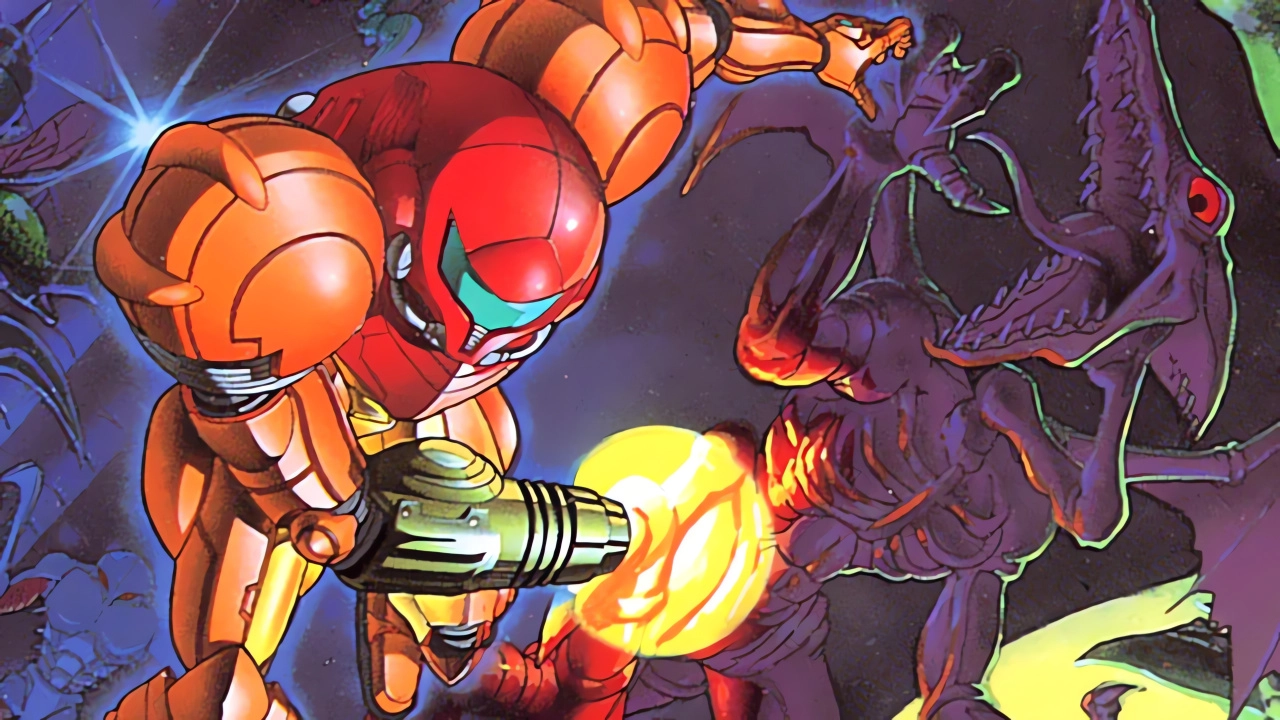
Retro gaming holds a special place in the hearts of those who grew up with the classic consoles of the '80s and '90s. The Sega Mega Drive, or Genesis as it's known in North America, was one such system that captured the imaginations of countless players. In recent years, a resurgence of interest in these old systems has given rise to a vibrant homebrew community, dedicated to creating new experiences for the hardware of yesteryear. An intriguing development within this community has been the evolution of a project initially known as Metroid Mega Mission, which aimed to bring the excitement of Nintendo's Metroid series to the Sega platform.
The original concept drew heavily from the style and gameplay of the Super Nintendo's Super Metroid—a classic in its right. Early demos showcased an impressive attempt to translate this experience to the Mega Drive, complete with detailed graphics and atmospheric music that echoed the Metroid series' iconic ambiance. The fidelity to the original material was astounding, a testament to both the developers' skills and their reverence for the source material.
However, with the looming threat of intellectual property infringement, the creators behind this homage—MD ROM Test and GameDevBoss—wisely decided to pivot. The project was rebranded as Space Hunter, and efforts were made to establish it as an original game rather than a direct port of Nintendo's IP. This decision was likely influenced by the risk of receiving a cease and desist letter from Nintendo, a company known for its protective stance regarding its properties.
Despite the name and conceptual change, the ambition of the project remained undiminished. Videos of the new Space Hunter game continued to impress, showing a game that, while inspired by the mechanics and style of Super Metroid, was taking on a unique identity. A more significant redesign was undertaken to set the game apart, reworking characters, environments, and other elements to create something that could stand on its own in the retro gaming scene.
The developers plan to share their vision with a wider audience through a Kickstarter campaign slated for later in the year—a move that reflects their confidence in the project and its appeal to fans of the genre and era. The anticipation among retro gaming enthusiasts is palpable, and many are eager to see how this ambitious endeavor will ultimately take shape.
Support for such homebrew projects is indicative of a broader trend in the gaming industry, where nostalgia and innovation intersect to produce new experiences that honor the past while pushing boundaries. Other developments, like ports of later console games back to classic systems and entirely new games made in the spirit of the classics, suggest a growing market eager to recapture the magic of the past with the technology and scope of the present.
The tale of Space Hunter is more than just a story of a game avoiding legal hurdles. It's a narrative about the passion of a community, their respect for gaming history, and their determination to contribute to its evolution. The project may have started as a tribute to a beloved series but has since become a symbol of possibility; a demonstration of what can be achieved when respect for the past meets the creative potential of the present.
As the gaming community awaits the launch of Space Hunter's Kickstarter, the excitement extends beyond just the prospect of a new game. It is about supporting the dreams of talented developers who are channeling their love for the classics into something fresh yet familiar. Space Hunter may have started as a nod to Metroid, but it is quickly becoming a beacon for retro gaming's future. The potential success of this project could inspire countless other aspiring developers to bring their visions to life, ensuring the legacy of the Sega Mega Drive, and by extension the whole era of retro consoles, continues to resonate with audiences old and new alike.

You must be logged in to post a comment!