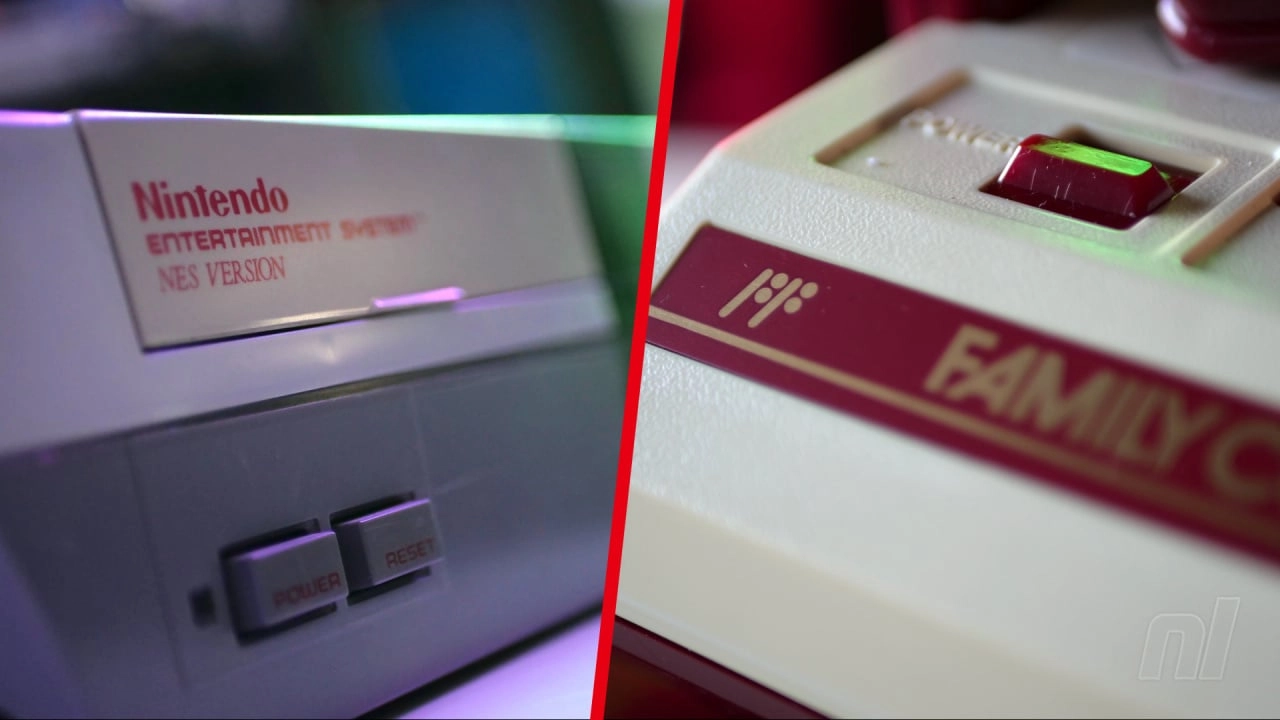
Masahiro Sakurai, renowned for his deep knowledge of video games, recently shared enlightening insights into the audio distinctions between the Famicom and NES systems. His analysis not only unveils the technical nuances but also explores the historical evolution of audio within these iconic platforms.
The journey into the world of console audio begins with an understanding of the audio processing channels used by both systems: pulse, triangle, noise, and DPCM. These channels form the backbone of the sound capabilities that differentiate the Japanese Famicom and its international counterpart, the NES. Sakurai’s explanation highlights how the integration of expansion chips within the Famicom cartridges enhanced the console's sound output, leading to richer and more vibrant audio experiences in games.
One of the pivotal advancements in Famicom’s audio technology was the incorporation of audio expansion chips. These chips were built directly into the game cartridges, allowing developers to bypass the standard audio limitations and produce higher-quality soundtracks. This enhancement was quite evident in games like Castlevania 3, which are celebrated for their superior sound quality on the Famicom. The difference stems from the fact that these chips provided additional audio channels and capabilities not present in the standard NES hardware.
Additionally, Sakurai discussed the Famicom Disk System, an add-on that was released only in Japan. This system introduced an extra Wave Memory audio channel, further distinguishing the Famicom's sound capabilities from the NES. Unfortunately, due to the absence of the Disk System and the removal of certain cartridge-based audio connector pins in the NES design, the sound quality of NES games could not compete with their Famicom counterparts.
Through various examples and comparisons, Sakurai demonstrated how these technical disparities manifest in the audio output of the same games across the two platforms. His presentation makes it clear that the Famicom generally delivered a more enriched audio experience, thanks to its more advanced and flexible audio hardware.
Despite the NES's limitations, it wasn't entirely overshadowed in the realm of audio. Sakurai went on to explain how advancements were nonetheless made on the NES, utilizing the DPCM channel which allowed for better sound effects and sample playback, albeit still not up to the Famicom's standards. He exemplified this progress with Tim Follin’s work on the Silver Surfer game, showcasing how creative composition could somewhat mitigate hardware limitations.
The detailed exploration into the differences in audio technology between the NES and Famicom not only provides a greater appreciation of the technological evolution during that era but also offers a glimpse into how developers managed to push the boundaries of what was possible with available resources.
Sakurai’s videos serve as both an educational resource and a nostalgic trip into the technical intricacies that have shaped gaming experiences over the years. As his series potentially draws to a close, viewers are left wondering what other insights they could gain from future content, should it continue. Meanwhile, fans of video game history and technology can delve deeper into the subject by engaging with community discussions and further research, enriching their understanding and appreciation of how classic gaming consoles like the Famicom and NES helped shape the landscape of gaming audio.

You must be logged in to post a comment!
