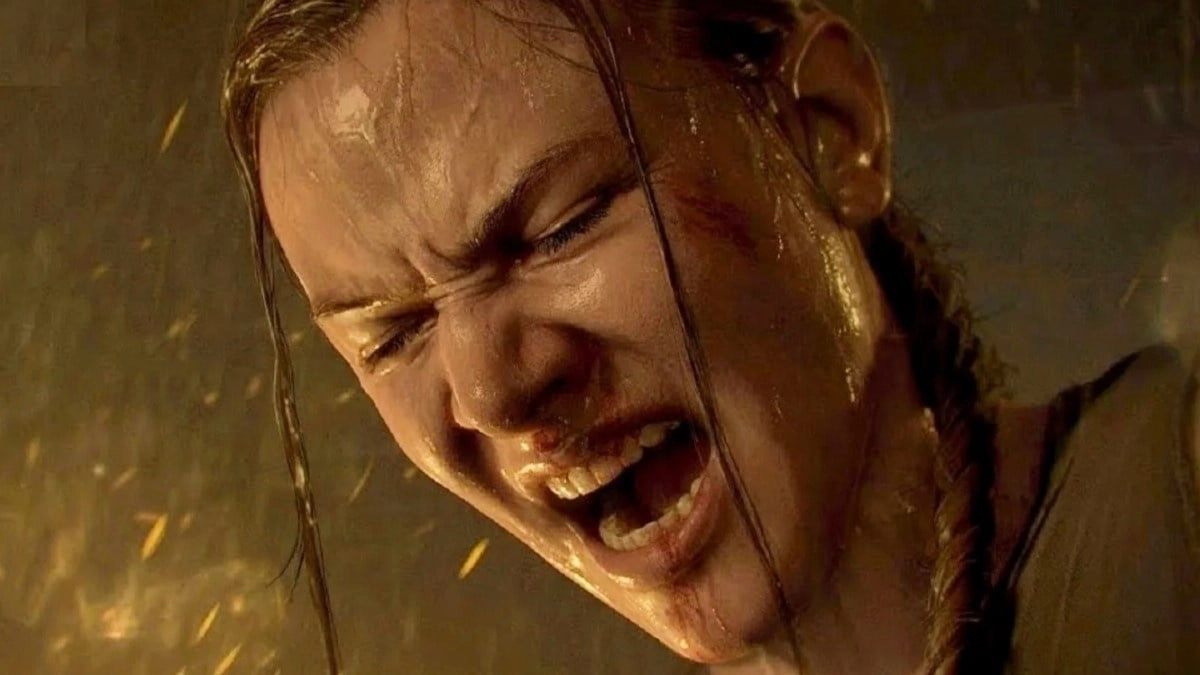
In the fast-evolving world of video games, players are often presented with upgraded versions of beloved titles that take advantage of new console capabilities. One such recent release was The Last of Us Part II Remastered for the PlayStation 5, which stirred excitement among fans eager to experience Naughty Dog's emotional rollercoaster on the latest gaming hardware. With enhanced graphics and performance, the remastered version promised to deliver an even more immersive journey into the post-apocalyptic narrative that has captivated gamers worldwide.
However, amidst this excitement, a cloud of confusion rolled in, particularly over the upgrade path for players who already owned the PlayStation 4 version of the game. Sony had outlined a $10 digital upgrade option for those players, which seemed simple enough. But on the release day, January 19th, things got messy. It appeared that some gamers, swept up by the buzz and perhaps unclear on the upgrade process, ended up repurchasing the full-priced PS5 version of the game instead of simply paying for the less expensive upgrade.
Now, this confusion didn't just hit a few players; it seemed widespread enough to trigger a response from Sony. In what's being seen as a goodwill gesture, Sony began issuing automatic refunds to those who bought the full-priced remastered game but were eligible for the cheaper upgrade. This move has undoubtedly been appreciated by the gaming community, as Sony's refund processes haven't always been viewed as the most lenient or straightforward.
This spontaneous refunding activity came to light when a Twitter user, MrPyo1, shared information and opinions about Sony's decision to grant these refunds. The user highlighted that players who pre-ordered the game at the full price of $50 could actually get the upgrade at the launch for $10 because they already owned the digital PS4 version. MrPyo1 considered this decision by Sony a wise and commendable move, indicating a consumer-friendly approach that aligns well with the interests of loyal fans.
Even before this incident, Sony had provided detailed instructions on how to upgrade The Last of Us Part II to the remastered PS5 version. The company made it clear that the process should not be complicated and that it is an intended benefit for players who have supported the game since its original release. However, it's not uncommon for upgrade paths in the gaming industry to become convoluted, sometimes due to the different types of versions available, including physical and digital releases, or the presence of various deluxe or special editions.
The move to automatically correct the overpayment for the game signals potentially broader implications. It might hint at Sony's increasing awareness of customer satisfaction and responsiveness, especially as the gaming market becomes more competitive with the presence of various platforms and subscription services. Making sure that players feel supported and valued is key to maintaining a loyal customer base, which is especially important for console manufacturers and game developers alike.
The Last of Us Part II Remastered isn't just another title in the PlayStation catalog; it's one of the flagship games representing the storytelling and technical prowess that Sony's platforms can offer. By ensuring that players can access this title in the most cost-effective way possible, Sony reinforces the message that they are committed to not only providing quality content but also fair pricing and customer service policies.
For those affected by the confusion, the refund has probably come as a pleasant surprise. This move also serves as a reminder for players to stay informed about their purchasing options in an era where multiple versions of video games are often released. Keeping an eye on official channels for upgrade paths or special offers is always advisable.
The Last of Us Part II Remastered's release is another step in the evolution of a game that has already made a significant impact. For PlayStation 5 owners, it offers an opportunity to experience the game with the full power of the new console behind it. And for Sony, the swift action to address refund issues might just have turned a potentially negative situation into a positive demonstration of their commitment to their customer base. As the gaming industry continues to grow and change, other companies may well take note of Sony's approach to consumer satisfaction, perhaps leading to better policies for gamers everywhere.


You must be logged in to post a comment!
