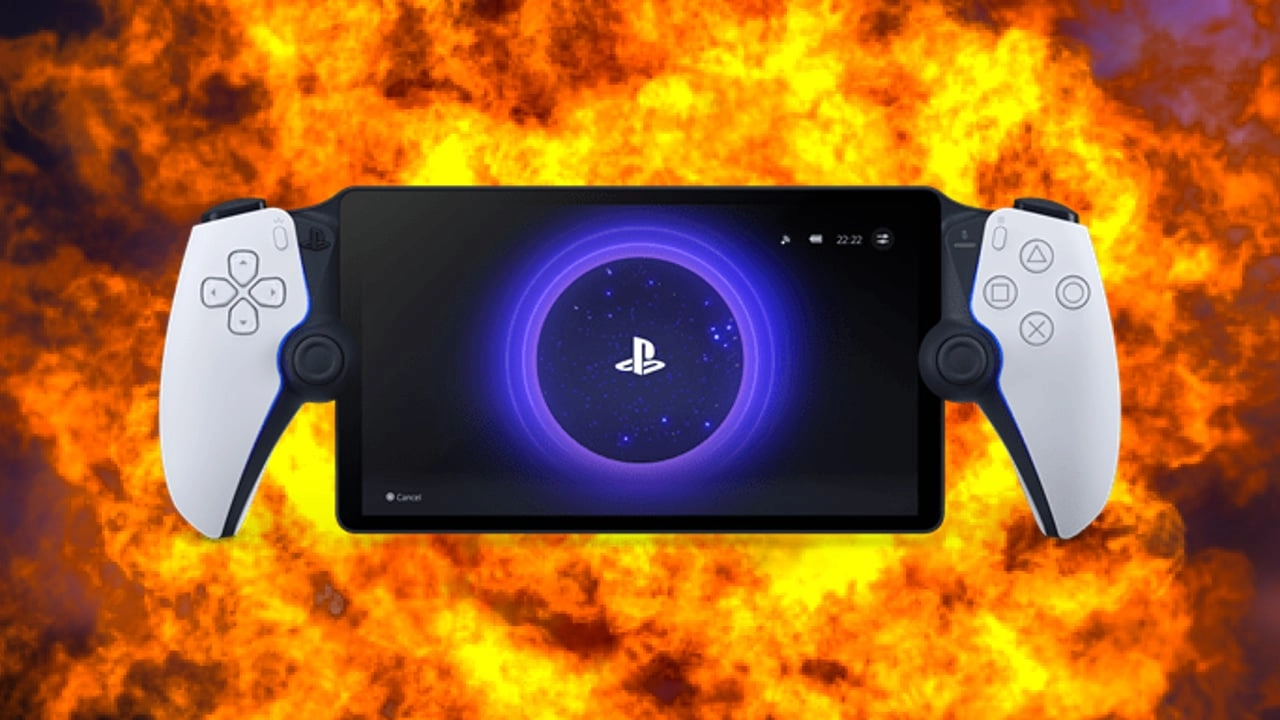
Sony, known for its PlayStation gaming consoles, is reportedly contemplating an innovative step forward with its next iteration, the PlayStation 6. The company, which has had a long history of success in the stationary console market, is considering two distinct versions for its upcoming release: a traditional console and a handheld device. This development is based on reports of Sony collaborating with AMD to develop two different systems-on-a-chip (SoCs), hinting at the potential for diverse hardware options.
The possibility of a PlayStation 6 handheld device has stirred a considerable buzz in the gaming community, evidenced by a recent poll conducted by Push Square. The results showed a strong interest in portable gaming options among PlayStation enthusiasts. Approximately 44% of respondents expressed a keen interest in purchasing a portable PS6, relishing the flexibility of gaming on the go. Another 39% indicated openness to the idea but are awaiting more details before making a decision. In contrast, only 18% dismissed the idea, preferring traditional stationary consoles.
The concept of a handheld PlayStation is not without its challenges and potential drawbacks. A portable console might entail high costs, increased weight for portability, and potentially shorter battery life compared to its stationary counterpart. However, the prospect of accessing a full library of next-gen games on a portable device adds an appealing dimension, potentially transforming the way gamers interact with PlayStation content.
Looking at Sony's previous ventures into portable gaming, the PS Vita offers a cautionary tale. Despite its advanced technology and impressive capabilities at the time of release, the PS Vita did not achieve significant commercial success compared to its competitors. However, it appears Sony has learned valuable lessons from past experiences, and the continuing success of remote gaming platforms like the PS Portal suggests a growing market niche for portable gaming devices.
The broader market dynamics also suggest a shift towards acceptance of high-powered handheld gaming devices. The success of platforms like the Steam Deck and other PC-based handhelds has demonstrated a robust demand for portable gaming options that do not compromise on power or game library quality. These developments could provide Sony with a strategic advantage if executed correctly.
Given the increased competition and the varied needs of modern gamers, Sony’s strategy to offer both a traditional and a portable PlayStation 6 could be seen as an attempt to cater to a broader audience. While some gamers prefer the immersive experience of stationary consoles with powerful hardware, others value flexibility and portability, especially in a fast-paced world where mobile gaming has risen sharply in popularity.
From a technological perspective, creating a portable console that supports the same games as the stationary version would require significant engineering prowess and innovation. The goal would be to ensure that the gaming experience remains seamless and engaging, regardless of the platform. Additionally, Sony would need to address potential concerns related to game optimization and performance parity between the two models to prevent any dilution of the gaming experience that could arise from hardware limitations.
Sony's exploration of a dual-console strategy mirrors trends within the broader gaming industry, where diversification and customization of gaming experiences have become key drivers of growth. As gaming continues to evolve, the ability to offer multiple platforms that cater to the specific preferences of different user segments might be a crucial strategy for leading industry players like Sony.
In preparation for the next generation of gaming consoles, Sony’s consideration of both a stationary and portable PlayStation 6 reflects a strategic acknowledgment of the diverse preferences within the gaming community. By potentially offering gamers the choice between traditional and portable gaming experiences, Sony is positioning itself to both leverage its legacy in console gaming and adapt to emerging trends within the industry. The future of PlayStation may indeed be in gamers' hands, both at home and on the move.

You must be logged in to post a comment!
