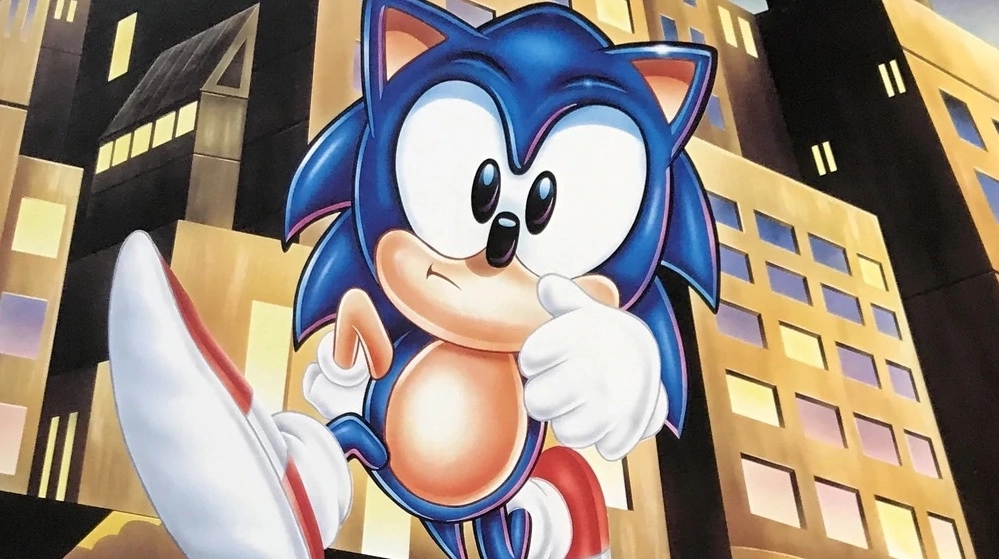
During the early 90s, the gaming world witnessed an intense rivalry between two industry giants, Sega and Nintendo. In an era dominated by Nintendo's control over gamer preferences and the market itself, Sega of America took a bold step. The company launched its 16-bit console, Genesis, and with it, a character that would shape the future of gaming: Sonic the Hedgehog. Al Nilsen, Sega's former marketing guru, played a crucial role in this unprecedented shift in the gaming landscape.
Nilsen, with experience from Mattel and Hasbro, joined Sega of America in 1989, when the company had only a handful of employees. His primary mission was to introduce the Genesis console to the American market and solidify Sonic's position as the new face of gaming against the reigning mascot, Mario.
The former marketing head recounted the inception of Sonic when Sega held a competition for a new mascot. They were down to two options: an egg-shaped character, which seemed suitable for a younger audience, and a blue hedgehog that would later become Sonic. Despite finding the latter choice slightly bizarre, Nilsen instinctively went for Sonic, an underdeveloped concept that showed potential.
The vision for Sonic and Genesis crystallized when Nilsen visited Sega's R&D department in Japan. There, he beheld Sonic's impressive speed—a characteristic never before seen in a game—and vivid artistry in Green Hill Zone's background. Yuji Naka, Sonic's co-creator, assured him that these aspects would be combined smoothly on the Genesis console. From that moment, Nilsen, along with the rest of Sega's marketing team, began to strategize Sonic's market entry.
The marketing team's brainstorming sessions involved everyone, fostering an environment where ideas could be thrown in and built upon collaboratively. One of Sega's main objectives was making Sonic ubiquitous, capturing the attention of children and adults alike. In hindsight, their efforts paid off significantly as Sonic eventually outshone another iconic figure—Mickey Mouse—in the Q score ratings.
One of Sega of America's genius maneuvers came just before the Consumer Electronics Show in 1991. Sega kept Sonic under wraps to surprise the market, then unveiled the character in an impressive head-to-head display: Sonic on one monitor, and Super Mario World from the upcoming Super Nintendo on another. This bold move not only introduced Sonic to the attendees but demonstrated the superior speed and vibrant color palette that Sega's new mascot brought to the table. This comparison at CES was pivotal in swaying public opinion towards Sega's Genesis console and its speedy blue mascot.
The marketing for Sonic expanded globally with the launch of Sonic 2, which Nilsen spearheaded. Sega wanted to create a global phenomenon and a unified marketing campaign that leveraged Sonic's popularity. Efforts included promotional tours, branded buses in London, and Sonic merchandise engulfing retail spaces. Notably, the tie-in between Sonic 2 and the Genesis console was a strategic masterstroke, bundling the system with its flagship game solidified Sonic's legacy.
These marketing tactics were complemented by extensive research and consumer testing. Secret playtests indicated that even ardent Mario fans preferred Sonic's high-velocity gameplay. This research underpinned Sega's decision to tour American malls, where consumers could experience both Sonic and the yet-to-be-released Super Mario World. The outcome was clear: Sonic was the crowd favorite, even in locations proximate to Nintendo's headquarters.
Despite such astounding success, internal changes at Sega began to surface. Decision-making became more centralized in Japan, causing friction with Sega of America's autonomy. This shift in dynamics ultimately led Nilsen to leave Sega for Viacom, where he hoped to maintain a more hands-on approach to marketing and product development, unlike the increasingly administrative and travel-heavy role Sega offered him.
Looking back, Nilsen's contributions—ranging from selecting Sonic as a mascot to orchestrating the worldwide launch of Sonic 2—cemented an enduring legacy. Through his efforts, and the collaborative environment he was part of, Sonic changed the gaming world forever, propelling Sega into a fierce competition with Nintendo, and introducing a new era of 'Sonicmania'. Sonic transcended being a mere character to become a household name, an icon of '90s pop culture, and a testament to the power of visionary marketing.

You must be logged in to post a comment!
