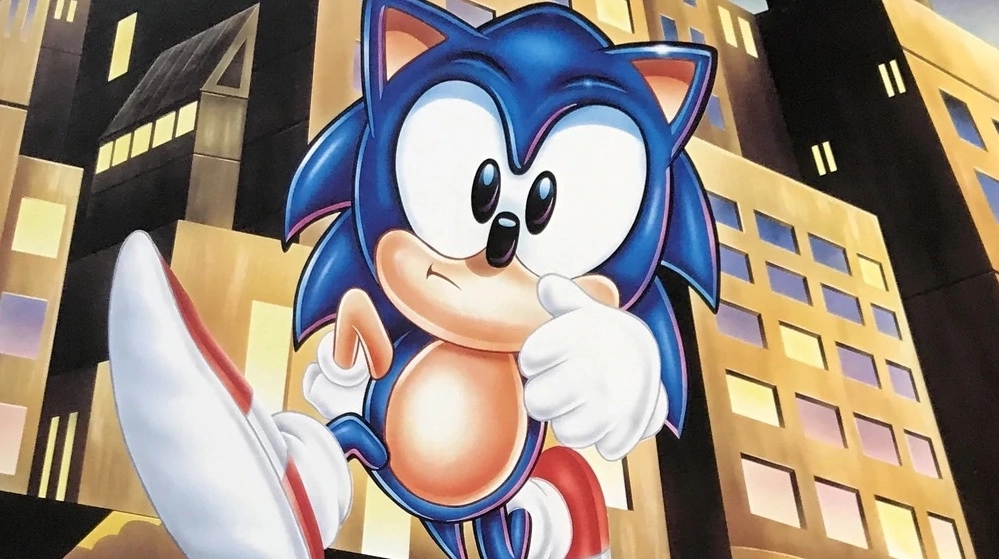
In the early 90s, the video game industry was heavily dominated by Nintendo. It held a firm grip on the North American market, both in terms of popularity and sales. Sega, then a challenger to Nintendo's throne, was ready to introduce a new protagonist that could potentially revolutionize the gaming landscape: Sonic the Hedgehog.
Al Nilsen, who had a rich background in marketing working with toy giants like Mattel and Hasbro, joined Sega in 1989. His tenure at Sega saw some of the most memorable and aggressive marketing campaigns in video gaming history. Al's genius marketing strategies were pivotal in establishing the Sega Genesis console and Sonic as formidable competitors to Nintendo's empire.
Sega was in a unique position when Nilsen came on board. They were on the cusp of marketing their Genesis (Mega Drive) system in the United States. Previously, Sega's Master System was marketed by Tonka Toys, but Sega was ready to take control of its destiny. Al recalls the unusual interview process which involved convincing Sega of America to let the US branch handle the new 16-bit system.
Part of Al's early responsibilities included handling the communication with Sega of Japan, including product development and manufacturing schedules. During these exchanges, he was exposed to cutting-edge technology and plans that would later shape the gaming world.
One notable recollection from Nilsen’s illustrious career was the connection with the King of Pop, Michael Jackson. Sega of Japan had struck a deal with Michael for a game that was to be developed for arcades and the Genesis system. Al was chosen as the liaison, a role that saw him working closely with Michael, discussing game designs, and even incorporating his feedback—something that contributed to the development of Michael Jackson's Moonwalker video game.
Al describes the first time he encountered Sonic as a moment of pure amazement. At first skeptical due to the character's unfamiliarity to the American public, the sheer speed and vibrant graphics of the gameplay footage quickly won him over. The passion for gaming shined through as Sonic's potential was immediately evident to Al and the Sega team.
The marketing strategy for Sonic was multifaceted. It featured a coordinated campaign across various mediums to make Sonic a household name. Through TV ads, a mall tour where players could test Sonic against Nintendo’s Mario, and packing Sonic with the Genesis console, Sega launched Sonic to superstardom. The ‘Sonic 2sday’ was another stroke of marketing brilliance, resulting in a synchronized global release for Sonic the Hedgehog 2.
One of the more remarkable stories from the marketing campaign involved pitting Sonic directly against Mario at the Consumer Electronics Show in 1991. The comparison caught the eye of journalists and retailers, challenging the preconceived superiority of Nintendo's offering and solidifying Sonic's position in the market.
Nilsen observed that the buzz created around Sonic was palpable, with kids preferring Sonic's speed and charisma over Mario. In a twist that defied expectations, even respondents close to Nintendo's headquarters in Seattle favorably chose Sonic over Mario.
Despite the soaring success, Al found that as Sega embarked on global coordination for marketing, it began to encounter challenges, particularly with Sega of Japan. Decision-making became more centralized in Japan, causing Al to spend less time on domestic products and affecting his hands-on influence.
In 1993, Al decided to leave Sega as the dynamics within the company continued to evolve, and opportunities outside of Sega beckoned, specifically at Viacom. Although his departure aligned with similar reasons that would later propel Tom Kalinske, Sega of America's then-president, to leave the company, Nilsen looked back with a sense of achievement and nostalgia at the monumental success of Sonic the Hedgehog and the Sega Genesis.
Al Nilsen's contributions to the world of video game marketing remain a significant piece of gaming history. His innovative strategies and genuine passion for gaming not only introduced a beloved character but also challenged norms and set new standards in a fiercely competitive industry.

You must be logged in to post a comment!
