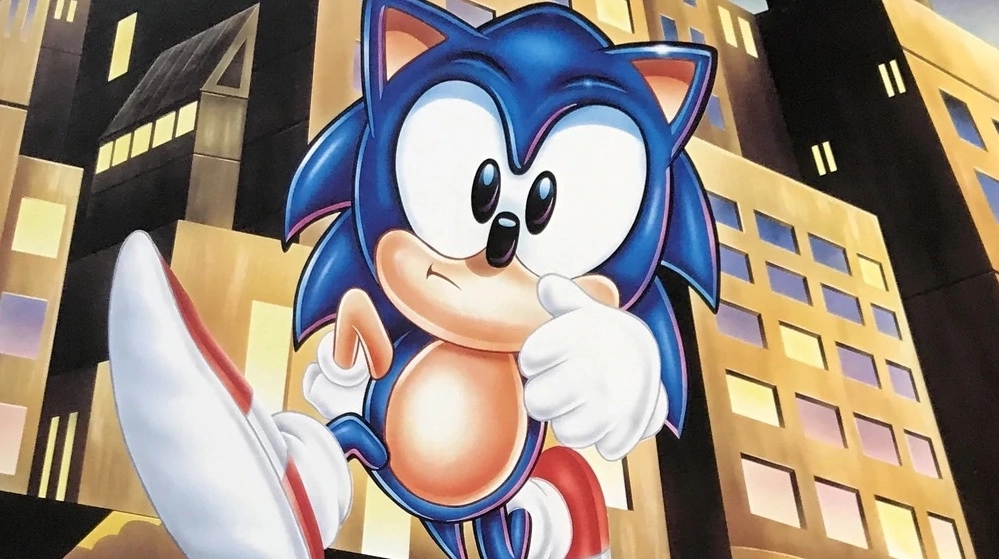
Back when Sonic the Hedgehog first dashed onto the gaming scene in 1991, Sega was still the underdog competing against Nintendo’s market dominance. To gain an edge, Sega of America delivered a formidable marketing onslaught aimed at establishing its spiky blue mascot as a formidable rival to Nintendo's beloved Mario.
Key to this strategy was the work of Al Nilsen, who joined Sega in 1989 after a stint working at both Hasbro and Mattel. Nilsen, with his extensive background in product management, was tasked with ensuring Sonic’s rapid spin into the heart of American households, which would, in turn, boost the sales of the Sega Genesis console.
As the conversation with Nilsen unfolds, he reflects on his journey with Sega, beginning with his interview process which entailed convincing Sega of Japan that its American branch was best suited for marketing the Genesis system. His recount reveals that, at the outset, Sega of America operated with a skeletal team, poised to expand should they be granted the responsibility to market the Genesis—an eventuality that transpired.
Nilsen shared memories of the TeleGenesis modem, designed as an attachment for the Genesis console. While it showed promise, it struggled with performance issues and carried a prohibitive price tag, leading to its eventual dismissal from the U.S. market.
Nilsen’s encounters with Sega of Japan were recurrent, involving travels every other month to discuss product development and other matters. He provided a unique link between the two branches that reflected his deep involvement not just in marketing but also in product decisions.
One outstanding collaboration Nilsen had the chance to work on was with Michael Jackson for the "Moonwalker" video game. He gave personal accounts of his meetings with Jackson, highlighting the star's gaming passion and dedication to the game's development. These meetings, unusual for their length and depth, underscored Jackson's love for gaming and his active input into the game's design.
Revolutionary for its time, the first glimpse of Sonic left an indelible impression on Nilsen. The speed and vivid colors distinct to Sonic's gameplay were unlike anything he had seen before. With the character's development, Sega found itself with a potential mascot who was set to become an icon.
The marketing tactics for Sonic were innovative and aggressive. Nilsen and his team's goal was to make Sonic ubiquitous—a task accomplished through various strategies, including the remarkable 'Sonic 2sday,' which was a coordinated global launch of Sonic the Hedgehog 2. This event, among others, demonstrated the value of a cohesive international marketing strategy.
Sega’s plans included TV and print ad campaigns, a mall tour allowing players to compare Sonic with Nintendo's offerings, and a partnership with toy brand Hasbro. Moreover, the game was bundled with console sales—a move that cemented Sonic's status.
The success was palpable when Sonic not only gained popularity over Mario within kid focus groups but also achieved a 'Q score'—a measure of the familiarity and appeal of a brand, character, or company—higher than Disney's Mickey Mouse. This achievement was especially poignant for Sega and Nilsen's team, signifying Sonic's deep cultural impact.
However, the interview also explored the reasons behind Nilsen's departure from Sega in 1993. Growing centralization of decisions in Sega of Japan, deviation from the hands-on approach that he treasured, and an overall sense of disillusionment with the direction Sega was taking with the 32X and Saturn led to his resignation.
Al Nilsen's story with Sonic and Sega offers a window into the intensely competitive and innovative world of video game marketing in the '90s. It underscores the strategic thinking, the adventurous tactics, and the creative collaborations that turned Sonic the Hedgehog into a global phenomenon capable of taking on an industry titan like Nintendo.

You must be logged in to post a comment!
