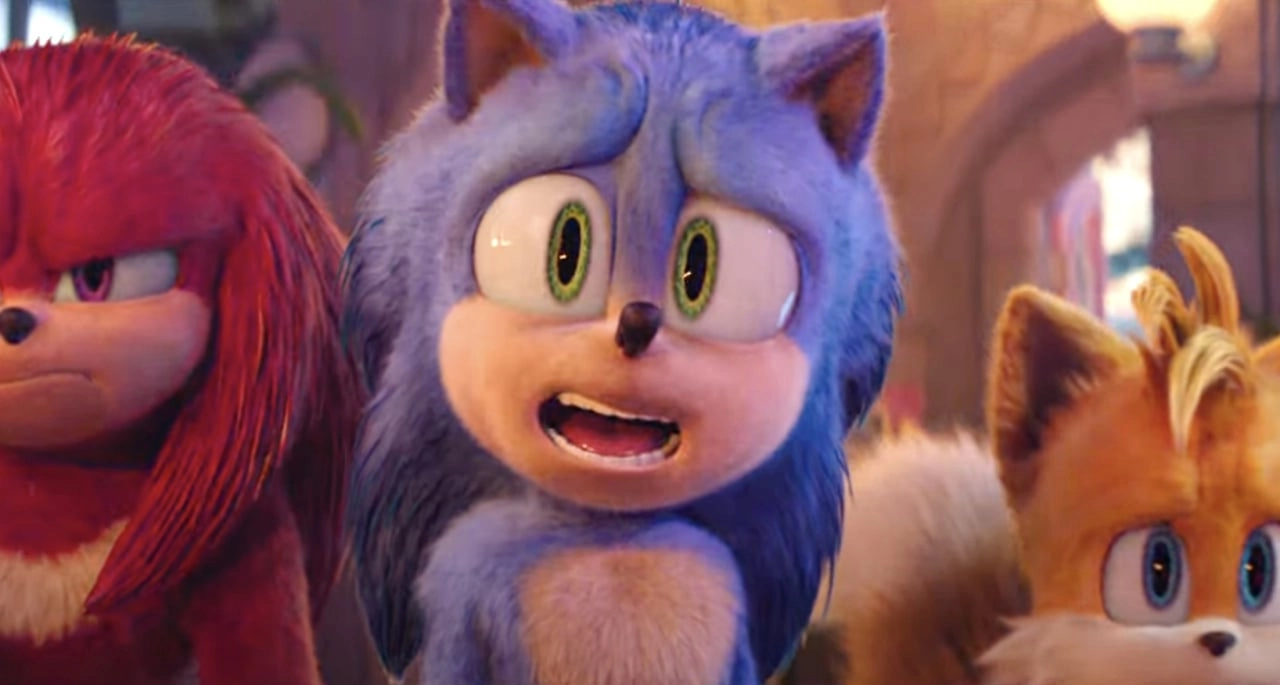
The Sonic the Hedgehog movie series, produced by Paramount Pictures and Sega Sammy, has been a spectacular financial success since its inception. The first movie, released in 2020, along with its 2022 sequel, have collectively grossed over $700 million globally. With the anticipation building for the third installment, the franchise is expected to surpass the one billion dollar mark at the box office. However, amidst this commercial triumph, there's a poignant story of recognition left untold.
Naoto Ohshima, the artist who designed Sonic and essentially gave life to the character, has not been acknowledged in the credit rolls of the Sonic movies. This issue highlights a broader industry-wide practice, especially prevalent in the earlier days of video gaming in Japan, where creators often remained behind the curtains, uncredited for their work. Unlike the more recognized figures such as Yuji Naka and Hirokazu Yasuhara, whose contributions to Sonic’s development are well-documented, Oshima’s pivotal role in crafting Sonic’s appearance and personality goes largely unnoticed in the cinematic adaptations.
This lack of recognition is partly rooted in the policies of the 1980s and '90s in Japan, where video game companies like Sega often prohibited the use of real names in credits, fearing copyright disputes and headhunting. Employees like Oshima would use nicknames—in his case "Rocky Nao"—obscuring their true identities and contributions. This practice has contributed to many creators receiving little to no recognition for their roles in developing iconic characters and games that have raked in substantial revenues over the years.
In his 2013 interview with video game historian John Szczepaniak, Oshima discussed the corporate culture at Sega during his tenure and his reasoning behind his chosen pseudonym. This anonymity in credit reels preserved corporate ownership but detracted from the individual acknowledgment artists and designers rightly deserved. The lack of credit is not an isolated issue unique to Sega or Sonic. Similar examples can be seen with other iconic characters from the same era. For instance, Toru Iwatani, creator of Pac-Man, received no creative credit in his portrayal in popular media either, with all ownership directed towards Bandai Namco.
The treatment contrasts starkly with how modern creators like Shigeru Miyamoto are handled. Miyamoto is often credited in Nintendo's productions, reflecting a shift towards more recognition for creators in the gaming industry. However, figures like Oshima, who laid the groundwork for today’s gaming successes, haven't received similar acknowledgment.
Despite this oversight, Naoto Oshima has maintained a gracious attitude towards the success of the Sonic movies. His social media posts reflect a supportive stance towards the adaptations of his creation, showcasing his continuous affection for the character and the franchise. He has even shared new artwork related to the movies, celebrating the continued relevance of his character.
The discussion about creator recognition in the video game industry is ongoing, reflecting broader conversations about intellectual property, rights, and acknowledgment within creative fields. As the legal and cultural landscapes evolve, industry practices may change, potentially paving the way for past creators like Oshima to receive the recognition they deserve.
As of now, the legacy of Sonic rests not only in the games and films but also in the lessons about creator recognition which the industry might still need to learn from. The celestial earnings from the Sonic movies spotlight not just a successful adaptation but also raise questions about celebrating the original minds behind our most beloved characters.

You must be logged in to post a comment!
