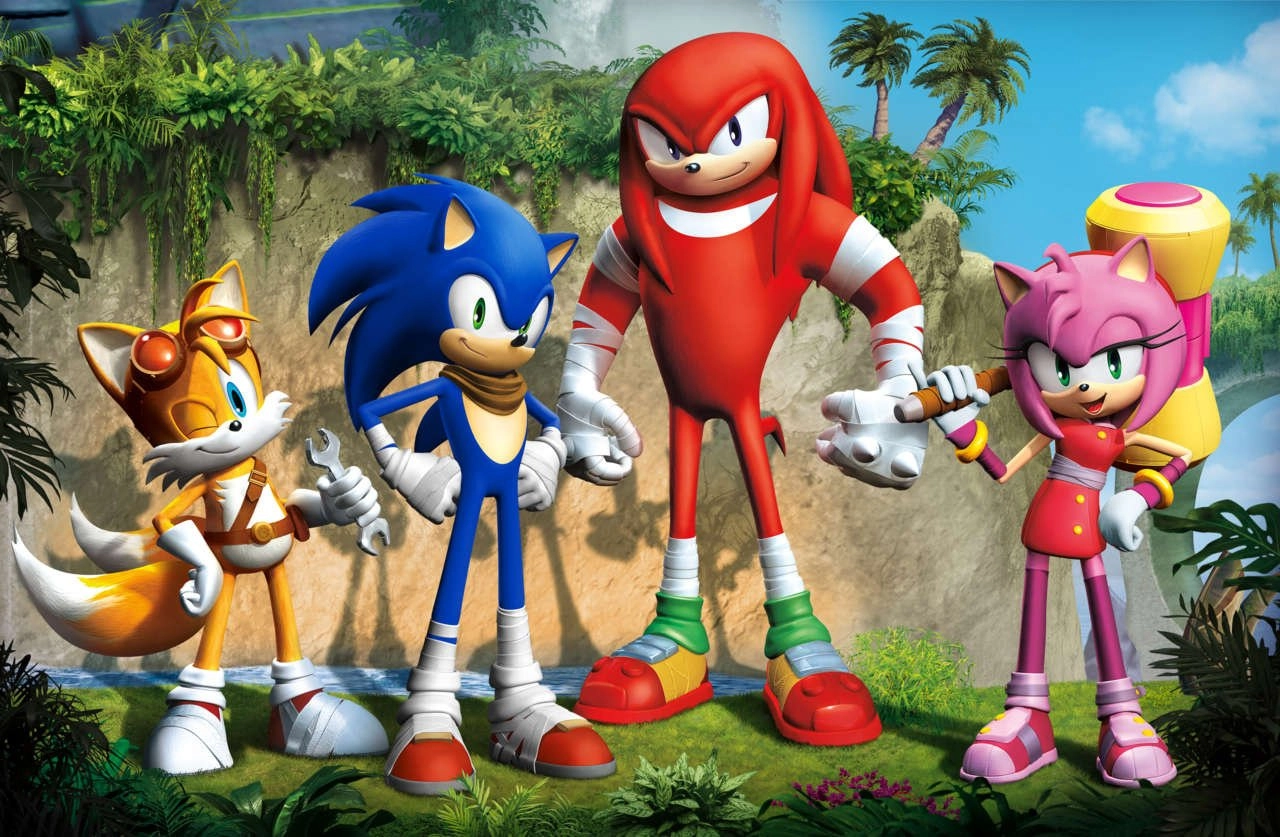
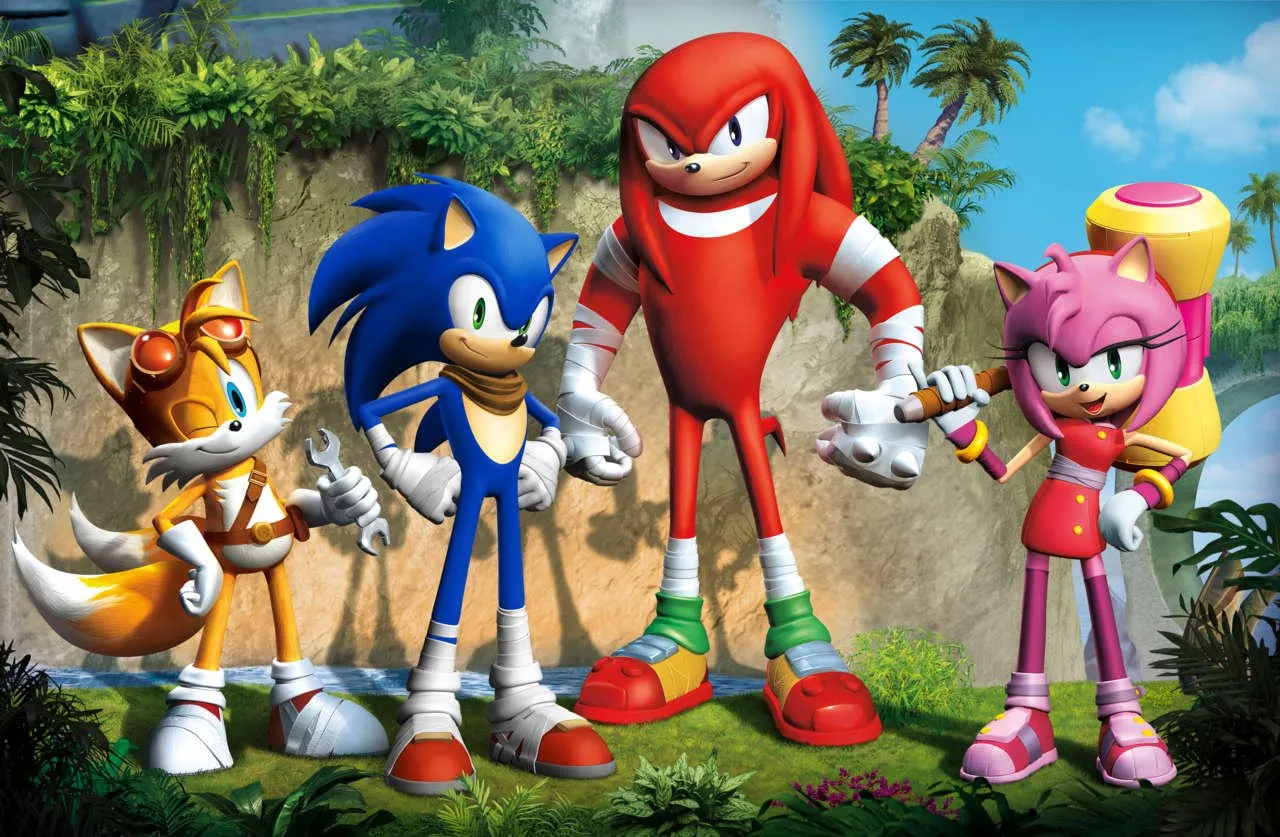
Sonic Boom emerged as one of Sega's most daring ventures with the iconic Sonic the Hedgehog series. Introduced as a bold initiative to create a fresh sub-franchise, Sonic Boom was designed to resonate specifically with Western audiences while encompassing an entirely new world, radically redesigned characters, and an original animated series. The games were launched as Nintendo exclusives, sparking significant enthusiasm among Nintendo's vibrant fan base.
The Sonic Boom series attempted to solidify itself as a mainstay in Sonic’s extensive catalog but instead folded unexpectedly after just three games. Despite Sega's high hopes, Sonic Boom failed to strike a chord with its intended audience, ultimately becoming a regrettable chapter in Sonic’s long-running narrative, often cited as one of the franchise's notable misfortunes.
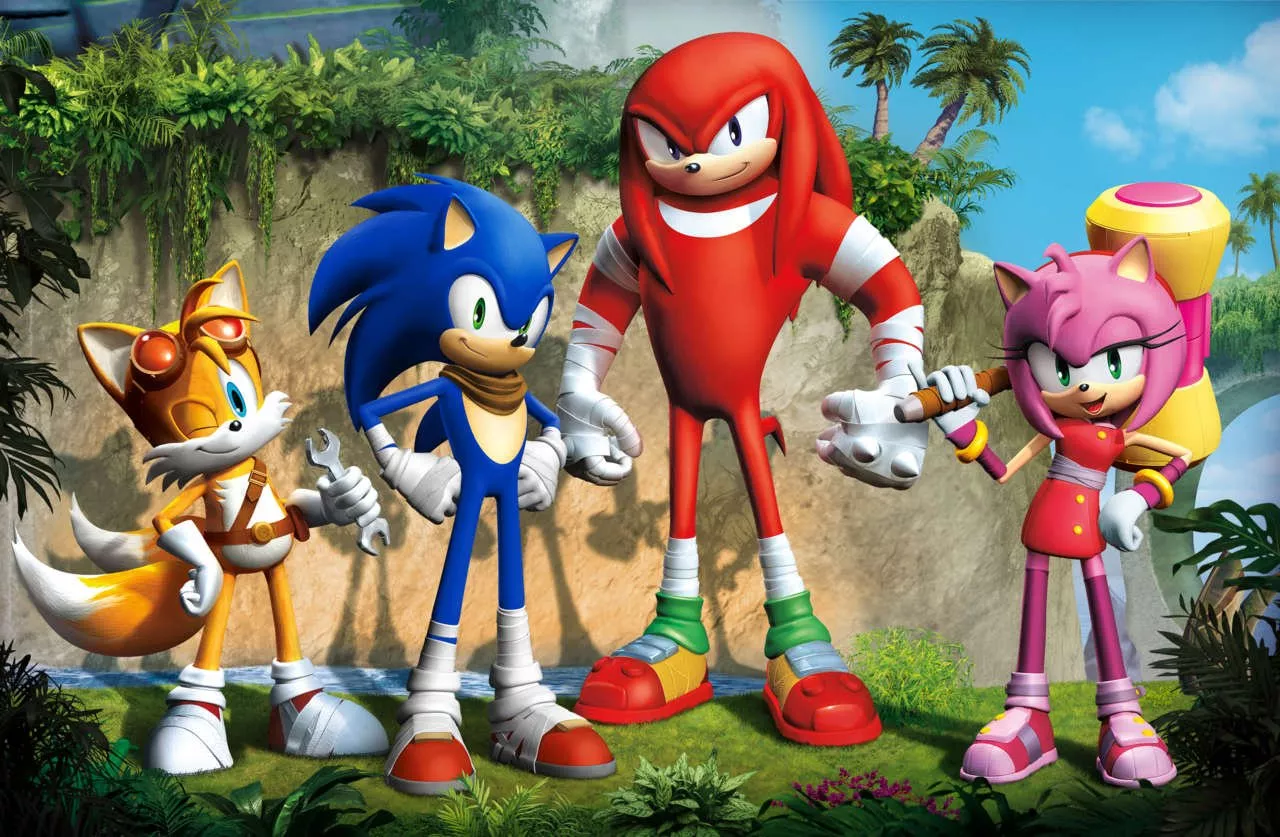
Let's delve deeper into Sonic Boom's ambitious inception. The series maintained the fundamental aspects of traditional Sonic titles, with Sonic rushing headlong into danger, disrupting Dr. Eggman's malevolent schemes. Key figures like Tails, Knuckles, and Amy remained central to the storyline, though with significant tweaks to their personalities that received mixed reactions. Among the most controversial changes was Knuckles, who received both a physical and character overhaul, transforming into a brawnier yet less intelligent figure, which did not sit well with many fans. Additionally, a new character, Sticks the Jungle Badger, was introduced, adding a wild, unpredictable element to the team dynamics.
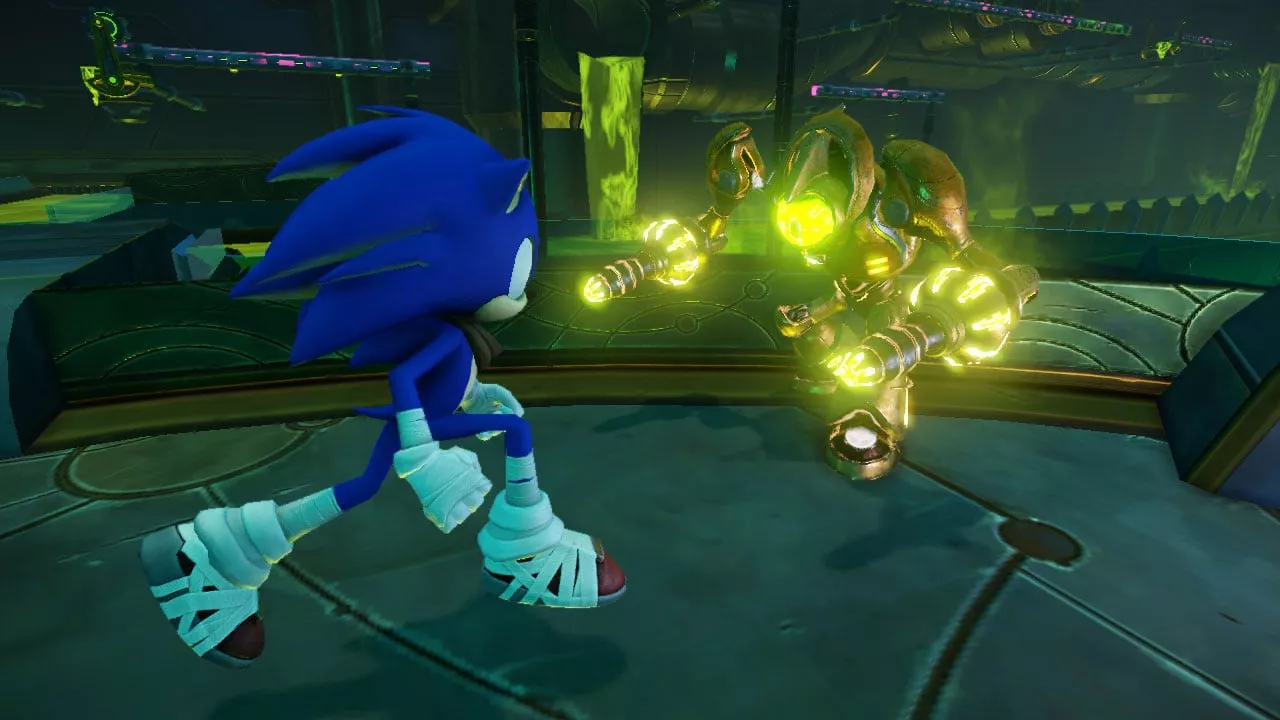
The responsibility of developing these games was assigned to Big Red Button and Sanzaru Games, developers known for their work on series such as Crash Bandicoot and Sly Cooper. Big Red Button took charge of the main Wii U title, Sonic Boom: Rise of Lyric, while Sanzaru developed the handheld version, Sonic Boom: Shattered Crystal for the 3DS. Both games aimed to blend exploration and combat with traditional high-speed antics, but the results were generally underwhelming.
The challenges started with Rise of Lyric, which faced a tumultuous development cycle, largely because it had to be adapted from a more powerful console to the less capable Wii U. This shift necessitated significant downgrades and redesigns, which ultimately compromised the game's quality. The result was an adventure marred by sluggish mechanics, confusing design choices, and numerous bugs that tainted its reception right out of the gate.
On the other hand, Sonic Boom: Shattered Crystal received a moderately better reaction but still failed to truly captivate or engage the player base, suffering from similar pacing and gameplay issues.
Despite the video games' poor reception, the Sonic Boom animated series captured a more positive light, bringing a comedic and lighthearted take on the Sonic universe. Its humorous, episodic storytelling garnered a fan following, distinct from the lukewarm to cold reception of the games. The series found a sustained if niche, appreciation, evidenced by its continued presence in online fan compilaries and discussions.
Sega, evaluating what worked and what didn’t, released another game, Sonic Boom: Fire & Ice, which sought to address previous criticisms by honing in on speed and platforming gameplay—the hallmarks of Sonic's appeal. Nonetheless, even this improved installment couldn’t salvage the sub-franchise, leading Sega to eventually shelve Sonic Boom altogether.
The fluctuating quality across different media of Sonic Boom – from the underwhelming games to the well-received TV show – demonstrates the complex nature of media adaptations and franchise expansions. Despite its aspirations and partial successes, Sonic Boom serves as a cautionary tale within the gaming industry about understanding and maintaining the core aspects that originally enamored fans.
As fans and critics continue to dissect the nuances of Sonic Boom's short-lived existence, reflecting on what might have been if certain elements were handled differently, it remains a fascinating chapter in the Sonic saga. Whether derided or cherished, Sonic Boom undeniably contributed a unique flavor to Sonic's storied progression, and its echoes will likely persist as both a symbol of ambition and a reminder of overreach in the Sonic franchise.

You must be logged in to post a comment!
