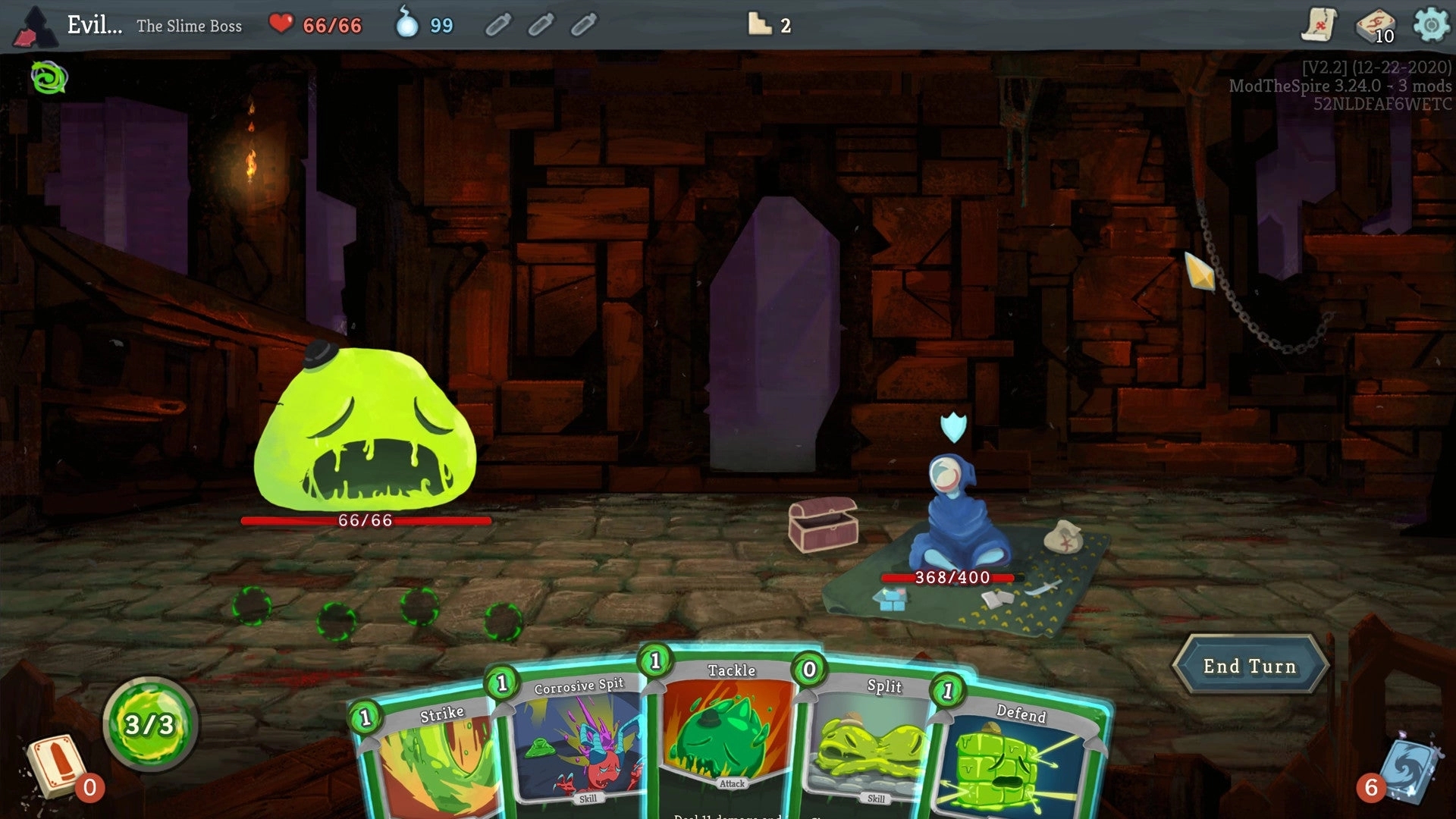
On Christmas Day, players of a popular computer game mod faced a cyber threat that risked their personal information. The popular mod 'Downfall' for the game 'Slay The Spire' was hijacked, turning the holiday season into a worrying situation for its community of gamers. During this security breach, hackers managed to slip in malware through the mod on Steam, the gaming platform, affecting unsuspecting users.
The malware programmed into the mod during the hack was not just invasive but specifically designed to extract sensitive information. It targeted the storage of passwords within users' internet browsers and also sought to access credentials on commonly used messaging services, such as Telegram and Discord. For those affected, launching Downfall during the hijack period presented an immediate red flag—a "Unity library installer popup" that was not a typical part of the mod's operation.
The breach did not go unnoticed for long, and by 1:40 pm Eastern Time [ET] on December 25th, the developers made it known that the hack had been contained. Though a silver lining could be seen in the response of most antivirus programs, which were able to restrict the malware from sending the stolen data over the internet, the threat was not entirely neutralized. The data it aimed to send included passwords specifically from various browsers users commonly utilize, including Google Chrome, Microsoft Edge, Mozilla Firefox, along with newer browsers like Brave and Vivaldi. Windows local login and files that could potentially contain 'password' in their filenames were also at risk.
Many users reported witnessing strange files that the malware had created, appearing in various places on their hard drives. The developers, as a part of their announcement, shared the locations of these suspicious files and underscored the importance of users disconnecting from the internet before investigating these files, to prevent any further data leakage.
Moreover, to fortify their digital safety, users who encountered the unexpected Unity popup were advised to reset their important passwords, especially those that did not incorporate an extra layer of security through 2-factor authentication (2FA). This advice was crucial since the usernames and passwords stored by browsers are keys to a wide array of personal accounts and services.
The Devastation of Downfall didn't just affect current gameplay; it raised serious concerns about cybersecurity within the gaming community. This mod, in particular, was known for dramatically enhancing the 'Slay The Spire' experience by introducing new characters, game modes, and broadened gameplay—which only amplified the impact of the hack, given the mod's popularity.
Following this breach, the developers have turned their attention to their newest project 'Tales & Tactics.' This venture, a standalone game, diverges from Downfall's mod nature and focuses on an auto-battling Chess rogue-like experience. While this new endeavor holds promise for the developers and the gaming community, the Christmas Day incident serves as a stark reminder of the vulnerabilities that come with online gaming and the importance of being vigilant about digital security.
The Downfall incident highlights a critical challenge within the gaming industry: ensuring the security of mods and the platforms that host them. While mods add immense value and extend the longevity of games, events such as these emphasize the need for robust security measures and quick response protocols to safeguard the gaming community against cyber threats.
As gamers and developers move forward from this incident, proactive measures to enhance cybersecurity, maintain vigilance, and promote safe gaming practices are not just advisable but essential in preserving the integrity of the gaming world and protecting user data from such unforeseen attacks.

You must be logged in to post a comment!
