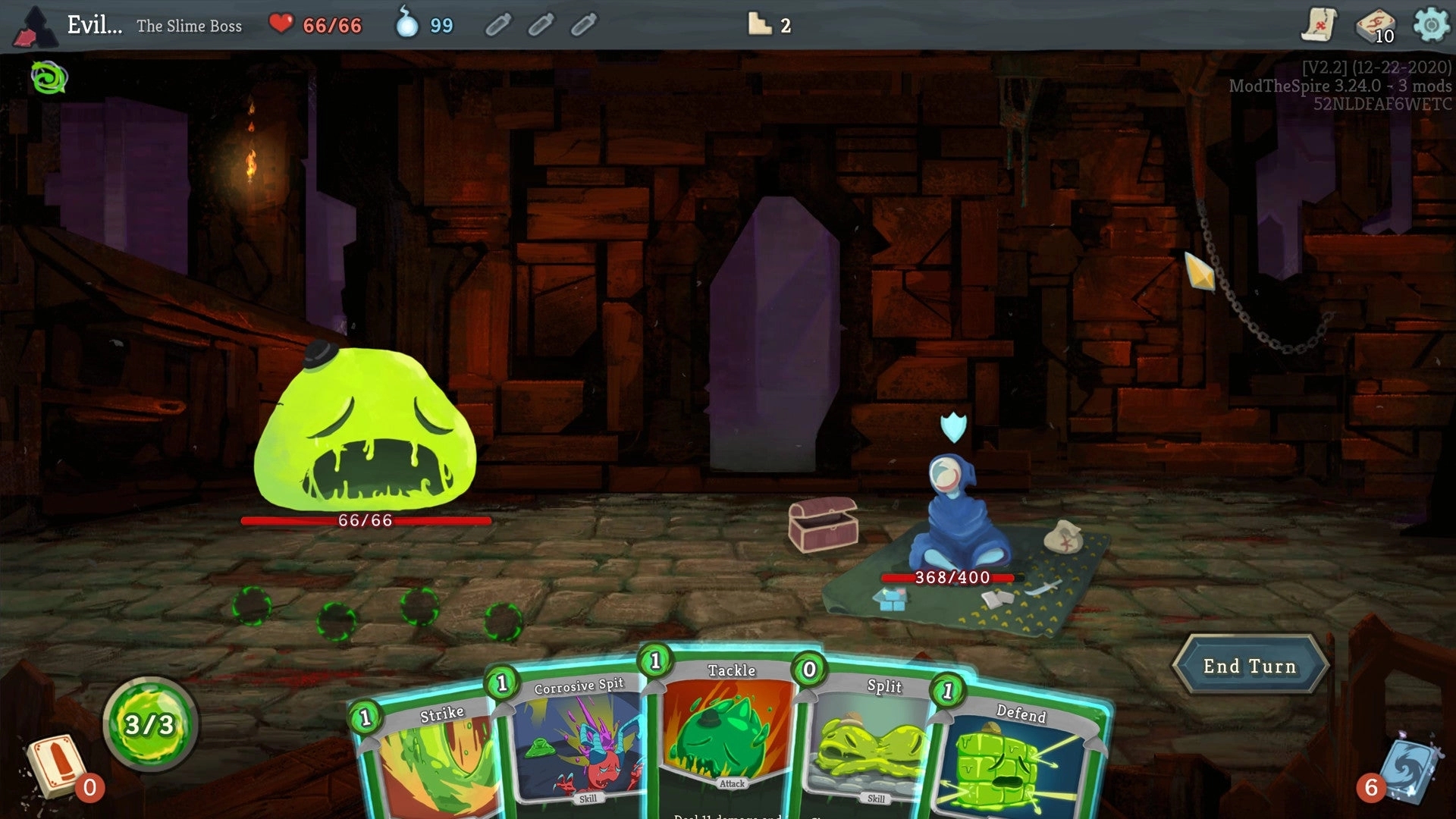
In a disturbing turn of events for gaming fans, the beloved mod Downfall for the card game Slay The Spire experienced a significant breach on Christmas day. This security lapse allowed hackers to exploit the platform and spread dangerous malware through Steam, placing many players at risk.
The Downfall mod represents a significant contribution to the Slay The Spire community, enhancing the gaming experience with new playable characters, modes, and features enjoyed by a vast number of players. Unfortunately, the popularity of this mod made it a target for cybercriminals looking to take advantage of its wide user base.
According to the mod's developers, the malware that was discreetly distributed via the mod was specifically engineered to compromise users' privacy by attempting to steal passwords. The targeted information included credentials stored in internet browsers, as well as those used for widely popular communication platforms such as Telegram and Discord.
Those who were affected by this breach would have encountered a suspicious "Unity library installer popup" upon launching the Downfall mod during the time of the hijacking. This was a clear indicator that the mod had been tampered with. Recognizing the severity of this security breach, the mod's development team took swift action to reverse the hack. By approximately 1:40 pm ET on December 25th, the mod was secured, and the immediate distribution of malware was halted.
The developers' announcement provided a cautionary note, indicating that most antivirus programs did not prevent the malicious software from executing altogether. However, they were effective in stopping the payload - the part of the malware programmed to export stolen information - from transmitting across the internet. This lack of automatic protection underscores the stealthy sophistication of the malware, which made it challenging for typical cybersecurity measures to detect and neutralize it completely.
The dangerous payload constructed by the malicious software aimed to scrape sensitive data. The targets were extensive and included passwords from an array of sources. Browsers such as Google Chrome, Microsoft Edge, Mozilla Firefox, Brave, and Vivaldi were all vulnerable, in addition to passwords for local Windows login and the messaging services earlier mentioned. Additionally, files with 'password' in their filename were also at risk of being compromised.
In the wake of the attack, users began to report files they suspected to be created by the malware appearing in various locations on their hard drives. These reports were numerous enough to warrant mention in the developers' public announcement, which also contained words of advice for those affected. Caution was urged, particularly advising users to analyze any suspicious files while their internet connection was disabled to prevent any further risk of information leakage.
Further guidance included recommending users to take preventative measures by changing their important passwords. They emphasized the necessity of this step, especially for passwords not protected by two-factor authentication (2FA), a security process that adds an extra layer of protection beyond just a username and password.
The intrusion into the Downfall mod's security systems did more than hijack the mod itself; it violated the trust of its dedicated player base. As cyber threats become increasingly sophisticated, so must the vigilance of both developers and users to shield their digital environments from harm.
Since the incident, the dev team behind Downfall has moved on to develop a new project called Tales & Tactics, a standalone auto-battling chess roguelike. Despite this shift in focus, the breach into Downfall underscores the ongoing need for strict cybersecurity measures in the gaming industry, where the exchange of digital goods and the gathering of users' personal data are routine. Players and developers alike are reminded of the importance of implementing robust security protocols and maintaining awareness of the ever-present threat of cybercriminals.

You must be logged in to post a comment!
