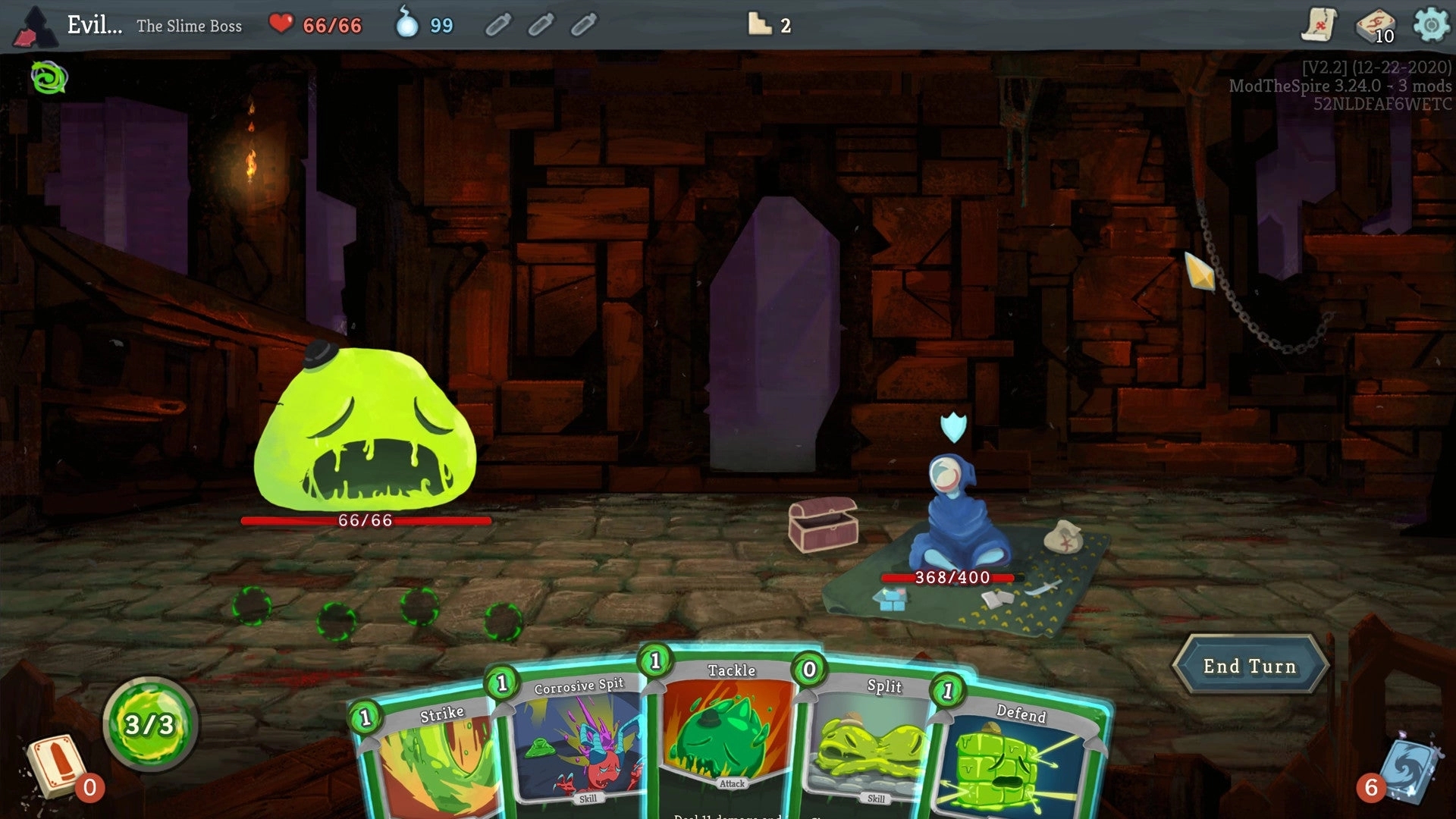
The gaming world was struck by a wave of concern as news spread that a well-liked modification, or "mod," for the card game Slay The Spire, known as Downfall, fell victim to a significant security breach. During the festive celebration of Christmas, a time when many relax and unwind with their favorite games, an unsettling event took place. Hackers leveraged this mod to secretly distribute damaging malware through the global gaming platform, Steam.
According to the developers behind Downfall, the mod was hijacked to push a piece of malware, a malicious software designed with the intent to compromise systems and steal sensitive information. In this case, the malware zeroed in on users' passwords stored in internet browsers and messaging services, including Telegram and Discord, presenting a serious threat to personal security.
Those who attempted to launch Downfall during the time of the breach were met with an unexpected "Unity library installer popup," a guise the hackers used to execute their harmful software. On December 25th, at around 1:40 pm Eastern Time, the developers reported that they had successfully reversed the hack, thereby stopping the distribution of the malware.
However, reversing the hack did not equate to an all-clear for the players. It was noted that while most antivirus programs did not prevent the execution of the malware itself, they were able to prevent its primary function, which was to gather and transmit the password data elsewhere. This meant that, although the attack might have reached systems, the intended outcome of password theft may have been averted.
The developers of Downfall provide a sobering detail on the potential scope of the attack, clarifying that the malware aimed to scrape passwords from various sources. These included passwords stored within browsers like Google Chrome, Microsoft Edge, and Mozilla Firefox, and those within messaging applications Telegram and Discord. Furthermore, it could search for any files that contained the word "password" in their filenames, indicating a fairly sophisticated and wide-reaching method of harvesting credentials.
Reports from users indicated that the malware, once executed, created multiple files throughout the users' hard drives. These unexpected files were mapped out in the developers' announcement, allowing users to identify and isolate them. The recommendation for users was to delve into the issue and remove suspicious files, but crucially, to do so without an internet connection. This would prevent the malware from sending any stolen data.
In a cautionary vein, the developers urged anyone who encountered the Unity popup during the breach to take immediate action by changing their passwords. They emphasized the importance of updating credentials for accounts that lacked two-factor authentication (2FA), a security feature that provides an additional layer of protection against unauthorized access.
Downfall has enjoyed popularity within the Slay The Spire community for its substantial expansion to the game, adding new characters, game modes, and additional content to an already beloved game. In the wake of this security breach, the developers have been transparent and proactive in addressing the community, offering advice and engaging in damage control. Following this incident, they have redirected their efforts to their forthcoming project, Tales & Tactics, an independent title which embraces the concepts of auto-battling and roguelike chess.
The incident serves as a stark reminder to gamers and users of digital platforms to maintain vigilance when it comes to cybersecurity. It underscores the importance of protective measures such as using reliable antivirus software, being wary of unexpected or unsolicited prompts while running applications, and the crucial role of two-factor authentication in safeguarding online accounts. As the developers continue to manage the aftermath of this incident, the gaming community remains ever more aware of the importance of digital security.

You must be logged in to post a comment!
