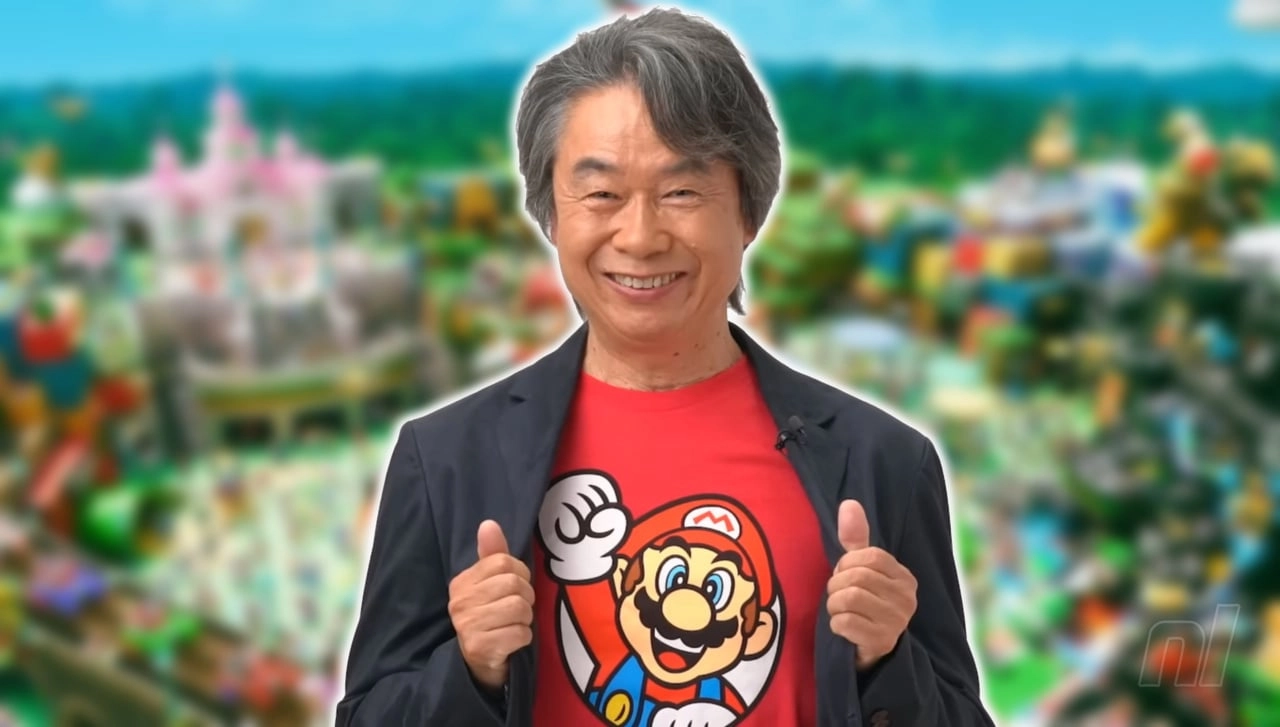
In the world of video games, certain names are synonymous with innovation and success, and Shigeru Miyamoto is one such name. Known for creating some of the most iconic games and beloved characters, including Mario and Zelda, Miyamoto's influence on the gaming industry is profound. However, despite his legendary status, Miyamoto recently displayed his characteristic humility during a financial briefing hosted by Nintendo.
The interaction occurred when an investor, perhaps not surprisingly, referred to Miyamoto as a "genius" for his contributions to the gaming industry. This comment, set against the backdrop of a broader discussion about Nintendo's creative direction and the transmission of creative philosophy within the company, elicited a humble response from Miyamoto. According to translations from the session, Miyamoto was quick to downplay the genius label, instead portraying himself as a regular person with a practical approach to his work.
Miyamoto shared insights from his annual lectures at Nintendo, which are attended by new and mid-career employees. He revealed that attendees often express relief upon discovering that he is much more approachable and normal than they had anticipated. This response underscores a valuable perspective that demystifies the creative processes behind some of the world's most popular games. Miyamoto emphasized that his approach to work is driven by efficiency and a desire to enjoy his work, which he believes leads to better outcomes.
Beyond just disputing the 'genius' label, Miyamoto discussed his methodological approach to ensuring that his creative thinking and principles are effectively passed down within Nintendo. He talked about the importance of creating hits not only for the satisfaction they bring but also because they make subsequent projects easier and potentially more successful. This cycle of success spurs further innovation and creativity amongst his teams.
Miyamoto's influence on Nintendo remains significant, despite him taking a more hands-off role in game development in recent years. He continues to contribute to major projects, including the development of The Super Mario Bros. Movie and involvement in the Super Nintendo World theme parks. These projects showcase his ongoing commitment to expanding the Nintendo universe in dynamic ways.
His take on the essence of game development and the internal transmission of creative ideas highlights an overarching theme at Nintendo—a relentless pursuit of innovative and unique gaming experiences. This philosophy, often articulated by Miyamoto, has guided Nintendo's path, distinctively shaping its products and corporate culture. The discussion also touched on the broader implications of leadership and creativity at Nintendo, reflecting on how the company will continue to innovate in a highly competitive industry.
Miyamoto's response to being labeled a genius is not just about modesty; it's a reflection of his view of creativity as an accessible, collective process rather than the mysterious brilliance of a lone visionary. This perspective is undoubtedly reassuring and inspiring for many within the industry, emphasizing that successful creative endeavors are rooted in relatable, hardworking individuals who prioritize efficiency and enjoyment in their crafts.
As Nintendo continues to navigate the evolving landscape of the gaming industry, the insights from leaders like Miyamoto will undoubtedly shape its strategies and outputs. While the label of 'genius' might be flattering, Miyamoto’s emphasis on normalcy and process-oriented success provides a more profound and relatable blueprint for creativity and innovation in gaming.

You must be logged in to post a comment!
