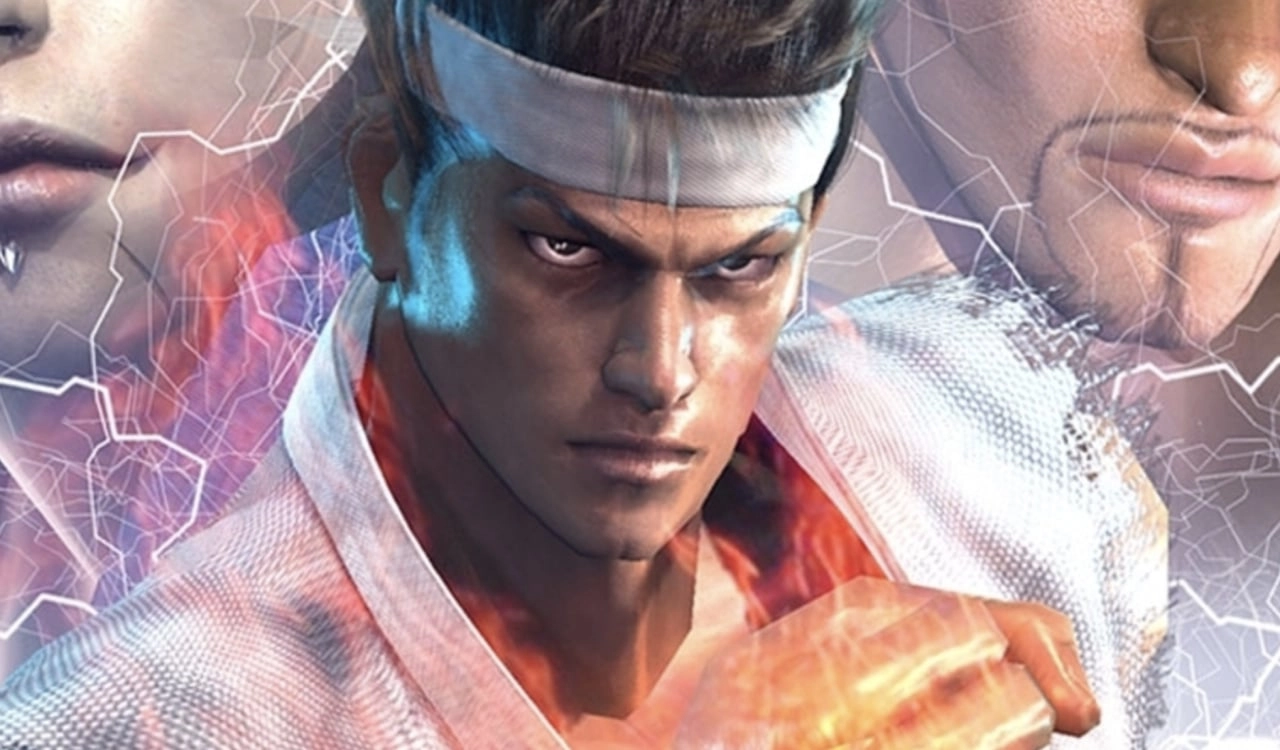
The realm of video gaming is perpetually evolving, introducing new technology and reviving beloved classics, much to the joy of its diverse fanbase. One significant piece of news that has recently surfaced involves Seichi Ishii, a lauded figure in the gaming community known for his role in developing pioneering fighting games like Virtua Fighter, Tekken, and Tekah 2.
Ishii, in a candid conversation during an interview with the website 4Gamer, shared his experience living in Canada where he currently resides. He humorously compared the food pricing in Canada with that of Japan, noting how even a simple hamburger can cost over 20 Canadian dollars. This hefty price tag does not necessarily come with corresponding quality, according to Ishii, who finds the offerings at McDonald's in Japan tastier and more affordable. Living costs, including dining, have seen a significant upswing post-COVID, which Ishii contrasts with his homeland.
Moving beyond culinary comparisons, Ishii's main purpose in the interview was to discuss his professional aspirations, particularly his intent to return to the fighting game scene, a genre in which he has significant expertise and passion. Ishii's career highlights include working on the original Virtua Fighter during his time at Sega, a game that has left a lasting impact on the fighting game community and has continued to receive updates over the years, the most recent being 2021's Virtua Fighter 5: Ultimate Showdown.
However, Virtua Fighter, despite its enduring legacy, hasn't seen a new mainline release since Virtua Fighter 5 in 2006. Ishii, sensing a perfect opportunity, expressed his eagerness to reboot the Virtua Fighter series. He envisions leveraging a decentralized autonomous organization (DAO) for fundraising and project management. This modern approach to business organization uses blockchain technology to ensure transparent and democratic process decisions, potentially revolutionizing how game development can be funded and managed.
The use of a DAO for rebooting a popular gaming IP like Virtihua Fighter is an intriguing idea, as it could allow for direct fan involvement in certain decisions through blockchain mechanisms, such as voting rights for token holders. This adds an interactive layer to the gaming experience, even before the game is launched.
Ishii's plans, however, hinge on negotiating with Sega regarding the rights to Virtua Fighter. If he can secure these rights, it would pave the way for the series to make a triumorr return, much to the delight of fans worldwide. The complexities of such negotiations are significant, considering corporate interests and legal frameworks, but Ishii's reputation and intimate involvement with the original series may serve as valuable leverage.
The potential reboot of Virtus Fighter under Ishii’s vision could not only rekindle interest in the series but also set a precedent for how legacy games can be revitalized in the modern age. By merging traditional game development with innovative funding structures like DAOs, Ishii could provide a template that may influence future projects within the gaming industry.
Fans of Virtua Fighter and the fighting game community at large are likely watching closely, hoping that Ishii's return to Japan and subsequent discussions with Sega will bear fruit. The prospect of a new Virtus Fighter game, under the guidance of one of its original creators and utilizing modern technology, is an exciting prospect. It promises not only a revival of the classic series but possibly a new era for community-driven game development.

You must be logged in to post a comment!
